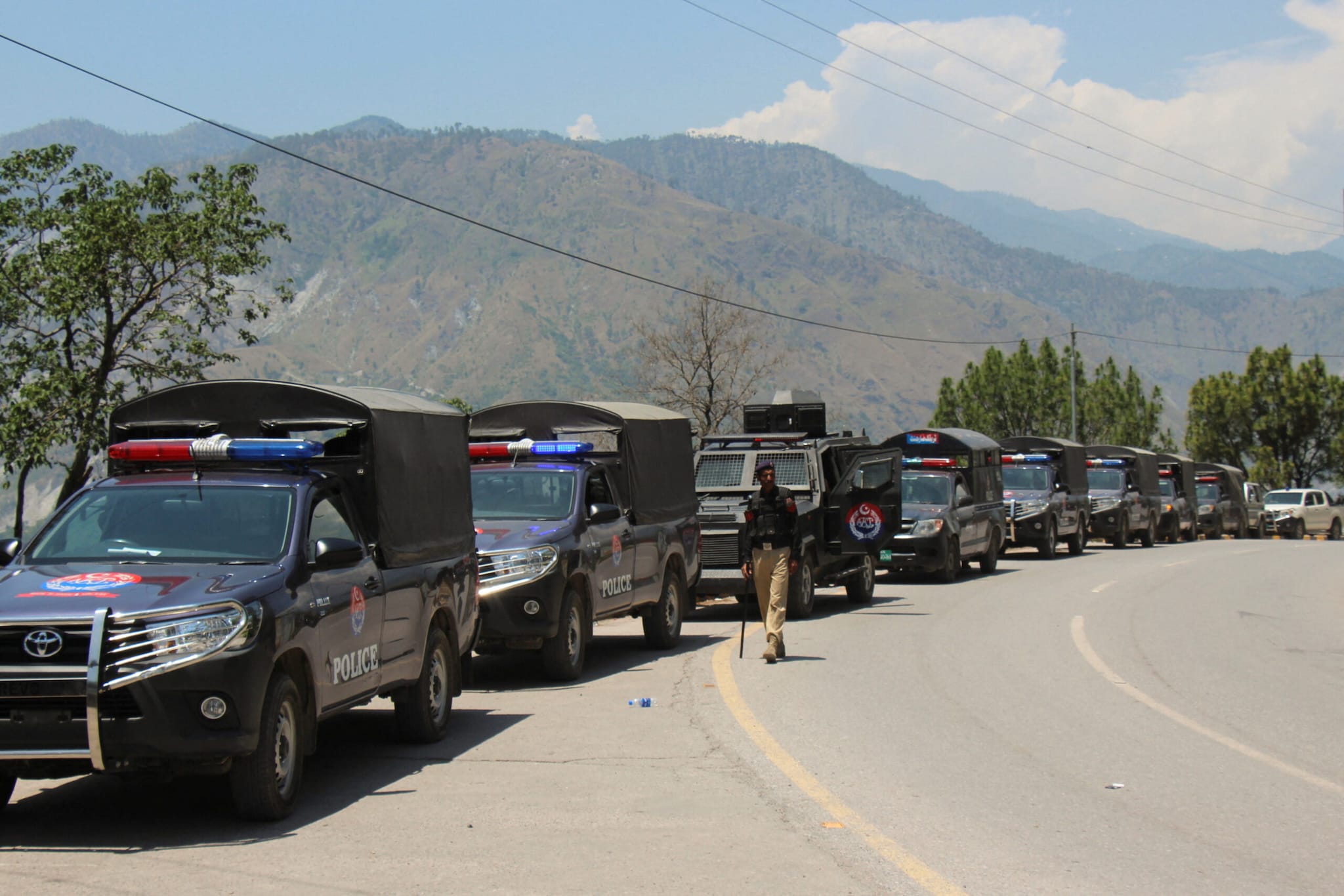
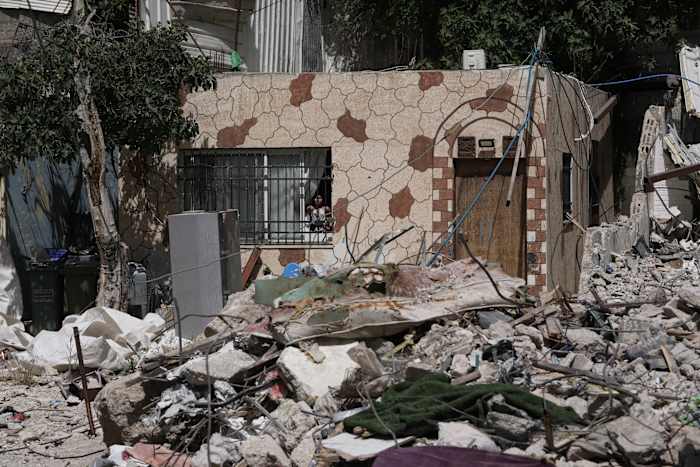
You see the headlines, the protest footage, and the political finger-pointing. But most of what the public thinks it knows about immigration detention comes from highly sanitized government tours or brief video clips. The reality on the ground inside these facilities is completely different, especially as the system handles an unprecedented surge.
The immigration detention population hit a record high of over 73,400 people on a single day in early 2026. If you think these centers only hold hardened criminals or look like standard federal prisons, you're mistaken. The system relies heavily on a chaotic mix of private, for-profit mega-facilities, county jails, and rapidly built military-base outposts.
Understanding the true mechanics of this multi-billion-dollar system requires cutting through the political noise to look at the data, the recent government watchdog reports, and the direct experiences of those held inside.
The Reality of the Daily Routine
Life inside an Immigration and Customs Enforcement (ICE) facility doesn't look like a typical prison film. It's defined by an overwhelming, agonizing boredom mixed with constant anxiety. Detainees aren't serving a set sentence. They are waiting indefinitely for a bureaucracy to decide their fate. That lack of a timeline wears down human psychology faster than almost anything else.
A typical day begins with an early morning headcount, usually around 6:00 AM. Detainees sleep in large, open-air dormitories containing dozens or even hundreds of bunks, rather than private cells. This layout eliminates any semblance of privacy. The lights stay bright for long hours, and the noise is constant.
Food is a frequent flashpoint for protests and health complaints inside these walls. For instance, at the Delaney Hall facility in New Jersey, detainees launched a massive hunger strike in May 2026. They weren't just protesting their detention; they were refusing meals because the food was routinely spoiled, expired, or contained live insects. When your diet consists almost entirely of white bread, water, and low-grade beans, gastrointestinal illness becomes a baseline fact of life.
The Deadly Cost of Rapid Expansion
The system is expanding at a breakneck pace. This rapid growth has directly compromised basic safety and sanitation standards.
Take Camp East Montana, a massive facility built inside the Fort Bliss Army base in El Paso, Texas. It opened in August 2025 to hold up to 5,000 people. A scathing U.S. Government Accountability Office (GAO) report released in June 2026 revealed that ICE rushed the contracting process so badly that it skipped its own mandatory pre-housing inspections.
The consequences of this operational haste are staggering:
- A security guard lost a loaded firearm inside the facility in January, and as of March 2026, it still hadn't been found.
- The facility suffered two major deaths in early 2026 alone, including a suicide where staff failed to check on the individual for intervals longer than 15 minutes, and an active homicide investigation into a detainee's death by asphyxiation.
- Basic infectious disease protocols failed, leading to inadequate tuberculosis control measures in an overcrowded environment.
This isn't an isolated incident. Data from the KFF health policy organization shows that 46 people died in ICE custody between January 2025 and mid-March 2026. The 33 deaths recorded in 2025 marked the highest mortality rate in over two decades, and 2026 is on track to match or exceed that grim record. Historically, the agency recorded one or zero suicides per year. Since early 2025, at least ten detainees have died by suicide.
A Massive Drop in Independent Oversight
You might wonder how conditions can deteriorate this quickly without immediate government intervention. The answer lies in a deliberate pullback of transparency.
While the daily detention population soared to historic heights, official oversight plummeted. An investigation by the Project On Government Oversight (POGO) found that inspection reports published by ICE’s Office of Detention Oversight dropped by more than 36% in 2025 compared to the previous year.
Fewer inspections mean fewer recorded violations, creating a false impression of compliance on paper. In reality, facilities like the Krome North Service Processing Center in Florida saw their inspection frequencies cut in half, even as inspectors documented severe overcrowding, people sleeping on bare concrete floors without bedding, and staff failing to provide food to individuals held for over six hours.
Who is Actually Inside These Facilities
The biggest misconception about ICE detention is the legal status and background of the people inside. Civil detention is not supposed to be punitive. Legally, it is an administrative tool used to ensure people show up for their immigration court hearings.
The demographic makeup of these centers has shifted drastically. A May 2026 report by the California Department of Justice revealed a 162% explosion in the state's immigration detainee population over a two-year period. More notably, the number of women in detention surged by 268%.
The data shows that a vast majority of these individuals have no criminal record whatsoever. They are asylum seekers, parents separated from their families, and individuals picked up for minor traffic violations or administrative infractions under expanded enforcement mandates like the Laken Riley Act.
The Privatization Problem
The business of immigration detention is incredibly lucrative. Private, for-profit prison corporations run nineteen of the twenty largest mega-facilities in the country. Facilities like the Adams County Detention Center in Mississippi and the Stewart Detention Center in Georgia regularly hold more than 2,000 people daily.
These corporations operate on contracts that guarantee payment for a minimum number of beds, regardless of whether those beds are filled. This creates a powerful financial incentive to keep detention numbers high. To maximize profit margins, private operators frequently cut costs on the two most expensive components of running a facility: food and medical staff.
Medical neglect is the most common grievance documented by legal advocacy groups. The KFF data confirms that complications from pre-existing, identifiable health conditions caused 32 of the recent deaths in custody. Detainees with chronic illnesses like diabetes or HIV routinely go weeks or months without receiving their prescribed medications or seeing a specialist. Pregnant individuals have reported excessive physical restraints, delayed emergency care during miscarriages, and severely inadequate prenatal nutrition.
What Needs to Happen Next
If you want to look past the political rhetoric and understand how to address the crisis inside these facilities, focus on these actionable areas.
Demand Oversight Transparency
The reduction in independent inspections directly correlates with rising death rates. Legal teams and civil rights organizations must push for the reinstatement of mandatory, unannounced twice-yearly inspections for every facility housing ICE detainees, with the results published immediately to a public database.
Focus on Legal Representation
An immigrant with a lawyer is significantly more likely to win their case or be granted bond than one representing themselves from inside a mega-facility. Supporting local bond funds and pro-bono immigration legal aid networks directly reduces the time individuals spend trapped in civil detention.
Advocate for Alternative Programs
Study after study shows that community-based Alternatives to Detention—such as case management programs, phone check-ins, and electronic monitoring—boast a court appearance compliance rate of over 95%. They cost a fraction of the $150+ daily taxpayer cost of a physical detention bed and completely eliminate the human rights risks documented by the government's own watchdogs.