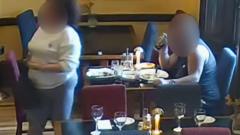
A couple walks into a high-end restaurant, orders Dover sole, calamari, and a string of drinks, then leaves without paying the £115 bill. When their faces hit social media, they suddenly claim it was all just a big misunderstanding.
Honestly, we've heard it all before.
The recent incident at El Puerto, an upmarket eatery inside the Old Custom House in Penarth, follows a predictable pattern. A bill gets left behind, the business owner posts CCTV footage online out of sheer frustration, and the shame of public exposure magically forces the diners to settle up. But while this specific case ended with the restaurant getting its money back, it shines a massive spotlight on a much larger, uglier trend hitting the hospitality industry hard.
Dine and dash isn't a victimless prank, and it's rarely a simple mistake. It's a calculated hit on small businesses operating on razor-thin margins.
The Myth of the Innocent Misunderstanding
When the story broke about the couple at El Puerto, the initial reaction from the restaurant's team was total disappointment. Business owner Tanny Martinez pointed out that the impact goes way beyond the financial loss. It destroys staff morale. The team pours hours of care and effort into creating a great experience, only to watch someone walk out the door with a stomach full of expensive seafood they had no intention of paying for.
The Penarth couple ordered a £32 set menu, a £52 Dover sole meal, a £9.50 calamari starter, and eight Coca-Colas. You don't accidentally forget you ate a multi-course meal. Yet, the moment South Wales Police got involved and the local community started sharing the CCTV images, the diners magically remembered their debt.
They contacted the restaurant, claimed it was a misunderstanding, and paid the £115.60. The police dropped the matter because the bill was settled.
But let's be real. If the restaurant hadn't posted those crystal-clear security camera images on Facebook, do you honestly think that money would have found its way back into the till? Not a chance. The "misunderstanding" defense is the ultimate safety valve for people who get caught red-handed.
Why Social Media Shaming Has Become the New Police Force
Restaurateurs aren't turning to Facebook and Instagram because they want to play detective. They're doing it because traditional law enforcement resources are stretched to the limit. Shoplifting and hospitality fraud often rank low on the priority list for busy police forces, leaving business owners to fend for themselves.
The strategy works, but it comes with massive risks.
The Dine-and-Dash Cycle:
[Theft Occurs] -> [Police Report Filed (Slow)] -> [CCTV Posted to Facebook (Fast)] -> [Public Identification] -> [Sudden Payment / "Misunderstanding" Claim]
When you post someone's face online, the internet mob takes over. In the Penarth case, it led to a quick resolution. In other high-profile cases across the UK, it has led to a barrage of local outrage that makes it impossible for the perpetrators to hide. Take the infamous cases in Wales and Yorkshire over the last couple of years, where serial dine-and-dashers were eventually jailed after their faces went viral.
But what happens if a restaurant gets it wrong? If a staff member genuinely forgets that a table paid via an app or at the bar, and the owner blurs their faces across the local community groups, the restaurant faces a nightmare lawsuit for defamation. It’s a tightrope walk born out of desperation.
The Real Cost of a Stolen Meal
Most people outside the industry don't understand how tight restaurant margins actually are. When a table walks out on a £115 bill, the restaurant doesn't just lose £115 in profit. They lose the cost of the raw ingredients, the wages of the chef who cooked it, the server who ran it, and the overheads keeping the lights on.
Data from UK Hospitality shows that roughly a third of hospitality businesses have been hit by dine-and-dash incidents recently. With rising energy costs, soaring food inflation, and increased labor costs, a couple of walkouts a week can easily push a struggling independent bistro into bankruptcy.
Worse, it breeds an atmosphere of suspicion. Front-of-house staff are trained to be welcoming, warm, and attentive. When they get burned by fraudsters using common tactics, like sneaking out one by one for a "cigarette break" or leaving a fake, empty handbag in the booth to make it look like they're coming back, that trust evaporates. Servers start watching tables like hawks instead of focusing on great service.
How Restaurants Can Fight Back Right Now
Waiting for the government or the police to solve this issue is a losing game. If you run a food business, you need to change your operational model to protect your cash flow.
- Move to pre-authorization systems: High-end places are increasingly taking card details at the time of booking. If a table dashes, you simply charge the card on file.
- Adopt pay-at-the-table technology: QR codes on tables allow customers to pay the second they finish eating, removing the excuse of "we waited twenty minutes for the bill so we just left."
- Reposition your host stand: Your front door should never be left unmonitored. Keep a dedicated staff member stationed at the exit during peak hours to greet departing guests and verify payments.
- Ditch the blind spots: Upgrade your CCTV system immediately. Ensure cameras capture clear, high-definition images of faces at the entrance and the till area. If you need to use the social media option, you want undeniable footage.
The days of the polite, trusting handshake agreement at dinner are fading. While the El Puerto incident in Penarth ended with a paid bill and a dropped police file, it serves as a stark reminder that public accountability is often the only thing keeping dishonest diners honest. Protect your business before you're forced to chase a "misunderstanding" of your own.