Stop complaining about the price of a craft sandwich.
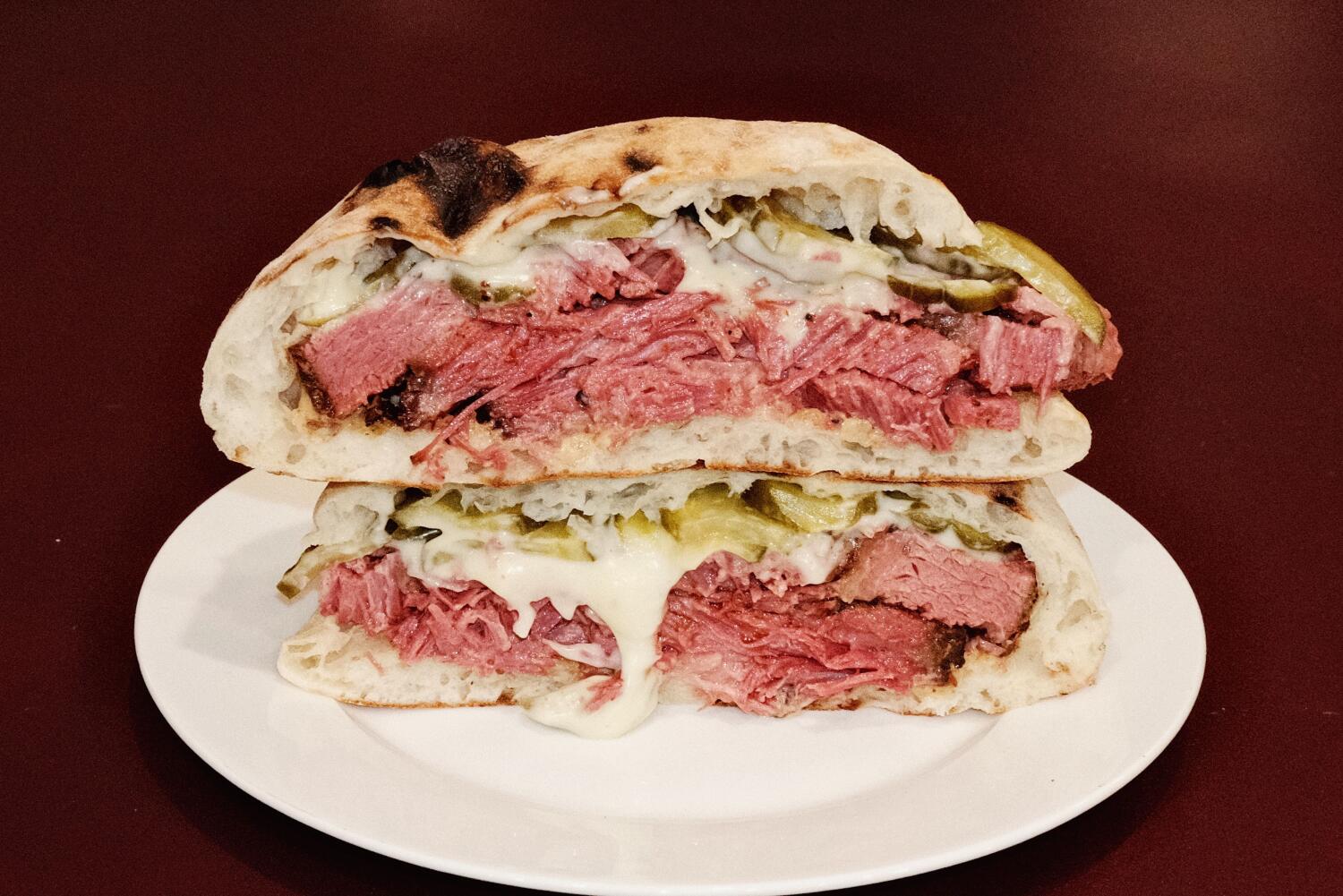
Every time a breakout culinary spot goes viral, the comment section turns into an angry town hall. You see it all over social media and in letters to the editor whenever a place like Glendale's Yerord Mas gets noticed for doing something unique. People lose their minds over a basturma brisket sandwich because it costs more than a drive-thru combo meal. They argue that good food should be accessible to everyone, all the time, at a flat rate that fits their personal budget.
That is just not how the world works.
When you complain that a small business is charging too much for an artisanal product, you are misunderstanding the entire industry. It is a business, not a charity. It is a specialized craft, not a public utility. Understanding how restaurant price points work means looking at the hard math of survival in the modern food world, rather than expecting independent chefs to subsidize your lunch.
The Real Cost Inside That Brisket Sandwich
Let's break down why an independent restaurant cannot price its food like a massive global chain. When Arthur Grigoryan opened Yerord Mas, he brought a specific vision blending Texas barbecue techniques with Armenian heritage. That requires weeks of curing, hours of smoking wood, high-grade beef, and specialized knowledge.
You aren't just paying for a piece of meat between two slices of bread. You are paying for a massive chain of expenses that hits the operator before the food ever lands on your plate.
- Premium sourcing: High-quality brisket prices fluctuate wildly. Independent spots don't have the massive buying power of corporate fast-food giants to lock in artificially low meat costs.
- Labor-intensive prep: Smoking a brisket for 12 to 16 hours requires overnight staff, constant monitoring, and skilled labor. That isn't a job you can hand to a minimum-wage worker with twenty minutes of training.
- Sky-high overhead: Utilities for commercial smokers and hoods, rising commercial rents, insurance, and city permits eat away at margins before a single customer walks through the door.
Most independent joints run on razor-thin net profit margins, often hovering between 3% and 7%. If a shop drops its prices just to appease online commentators, it goes out of business within three months. It's that simple.
Dining Out Is an Elective Luxury
There is a weird, creeping entitlement among modern diners who believe that every restaurant should cater to every budget. Somewhere along the line, people started confusing the right to food with the right to eat wherever they want.
Access to affordable, nutritious groceries is a fundamental human need. Getting a boutique, cross-cultural brisket sandwich prepared by a classically trained chef in a major metropolitan area is an absolute luxury.
When you walk into a specialized establishment, you are paying for an experience, curation, and expertise. If the price tag does not align with what you want to spend, the solution is remarkably straightforward. Don't eat there.
Choosing a different place to eat doesn't mean the restaurant is doing something wrong. It just means you are not their target market for that specific meal. A high price tag isn't a personal insult directed at your wallet. It's a reflection of what it costs to keep the lights on and the quality high.
The Illusion of the Cheap Food Era
We spent decades conditioned by a distorted food system that made us think meat should be cheap. Fast-food conglomerates built supply chains that suppressed the real cost of raising livestock, processing meat, and paying workers. They normalized the $5 value meal.
That era warped consumer expectations. Now, when an independent operator charges a fair price that reflects the true cost of ethical sourcing and fair wages, the public reacts with shock.
Cheap food always has a hidden cost. Usually, it's borne by underpaid kitchen staff, factory-farmed animals, or suppliers getting squeezed to the brink of bankruptcy. Craft operations refuse to play that game. They pay their staff living wages, buy from reputable suppliers, and use real wood instead of liquid smoke. If we want these vibrant food cultures to exist in our cities, we have to pay the real price of admission.
How to Navigate the Premium Food World Without Bitterness
You don't need a massive bank account to appreciate a great food scene, but you do need to adjust your mindset. Instead of getting angry at menus, change how you approach dining out.
Treat premium meals as an occasional event rather than a daily default. Save those high-concept sandwiches or labor-intensive dishes for days when you want to celebrate or try something genuinely creative.
Support the full spectrum of your local food community. Balance your visits to artisanal spots by frequenting classic, no-frills neighborhood joints that specialize in high-volume, affordable comfort food. Both models have a place in a healthy city, but they operate under completely different financial rules.
Stop viewing restaurant prices through the lens of what you want to pay. Start viewing them through the lens of what it actually costs to create something remarkable from scratch. If a business can fill its seats at its current price point, the market has spoken. The restaurant is doing its job perfectly. Your only job is to decide whether you want to buy a ticket.