Another life lost. Another escalation in a climate of fear that refuses to go away.
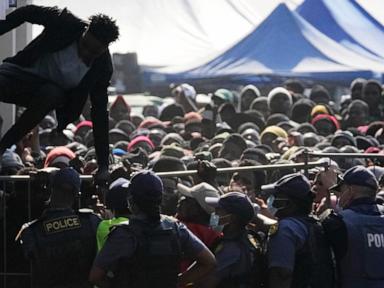
In Durban's central business district, a mob of roughly 50 individuals converged on a man standing by the side of the road and beat him to death. Police confirmed the victim was a foreign national, though his exact identity and nationality remain unverified while investigations unfold. This brutal attack didn't happen in a vacuum. It unfolded on the margins of a protest march, tearing right through the fault lines of growing anti-immigrant sentiment that has gripped South Africa's port city for months.
If you think this is just a random criminal act, you're missing the bigger picture. This violence stems from deeply entrenched socioeconomic frustrations that politicians and community leaders have struggled to address for years.
The Boiling Point in Durban
Durban has transformed into a major flashpoint for anti-migrant agitation. Weeks before this latest killing, the city center witnessed severe rioting and looting. Fourteen vehicles were set alight, and foreign-owned businesses were targeted or torched, forcing the deployment of soldiers alongside police forces to restore order.
The immediate trigger for Thursday's incident involved participants breaking away from a demonstration along Dr Pixley kaSeme Street. Two men separated from the crowd, approached an individual on the roadside, and within moments, a crowd of about 50 people joined in. Emergency responders declared the victim dead at the scene.
Local police spokesperson Colonel Robert Netshiunda urged the public to withhold speculation while law enforcement pursues leads. Yet, the underlying context is impossible to ignore. This mirrors a tragic pattern seen earlier in the year, such as the stoning death of a 29-year-old Malawian man during a similar anti-immigration march in Pietermaritzburg.
Why Tensions Keep Flaring
Why are these protests turning lethal? The surface-level rhetoric points toward porous borders, illegal migration, and competition for scarce jobs. Protesters frequently argue that foreign nationals strain essential public services like healthcare and education while undercutting local wages.
However, boiling the entire crisis down to simple xenophobia ignores the structural failures underneath. South Africa faces high unemployment rates and severe economic stagnation. When basic survival becomes a daily struggle, vulnerable populations often look for visible scapegoats. Anti-immigrant groups capitalize on these economic anxieties, channeling public anger toward foreign nationals instead of demanding systemic accountability from policymakers.
The Real Cost of Unchecked Rhetoric
When organized marches morph into mob violence, accountability vanishes into the crowd. Police forces find themselves stretched thin trying to manage volatile crowds while protecting critical infrastructure.
The human toll is devastating. Tens of nationals from other African countries have fled parts of South Africa or faced displacement following repeated waves of unrest this year.
If authorities don't crack down hard on incitement and lawlessness, these tragedies will keep repeating. Addressing the root causes requires honest conversations about border management, economic reform, and community policing, rather than letting street mobs dispense deadly justice.
South African police probe killing of Malawian amid rising anti-immigrant attacks
This video provides additional context regarding the ongoing police investigations into anti-immigrant violence and targeted killings in South Africa.
http://googleusercontent.com/youtube_content/1