Seven oil tankers burning or heavily damaged overnight in the Strait of Hormuz isn't just another headline. It is a loud, flashing warning sign that the fragile quiet in the Middle East is cracking. When Tehran announced that these vessels were hit either directly or by naval mines, energy markets didn't just blink—they braced for impact.
If you've been watching global oil prices creep upward, you already know voters are angry and politicians are sweating. With elections looming in the US and Israel, the pressure on international shipping lanes is turning into a full-blown geopolitical crisis. Let's look at what's actually happening in this vital chokepoint and why it matters to everyone who fills up a tank or relies on global trade. Meanwhile, you can read similar stories here: Why Brazil Just Blocked The Biggest Open Pit Gold Mine In The Amazon.
The Pressure Cooker in the Persian Gulf
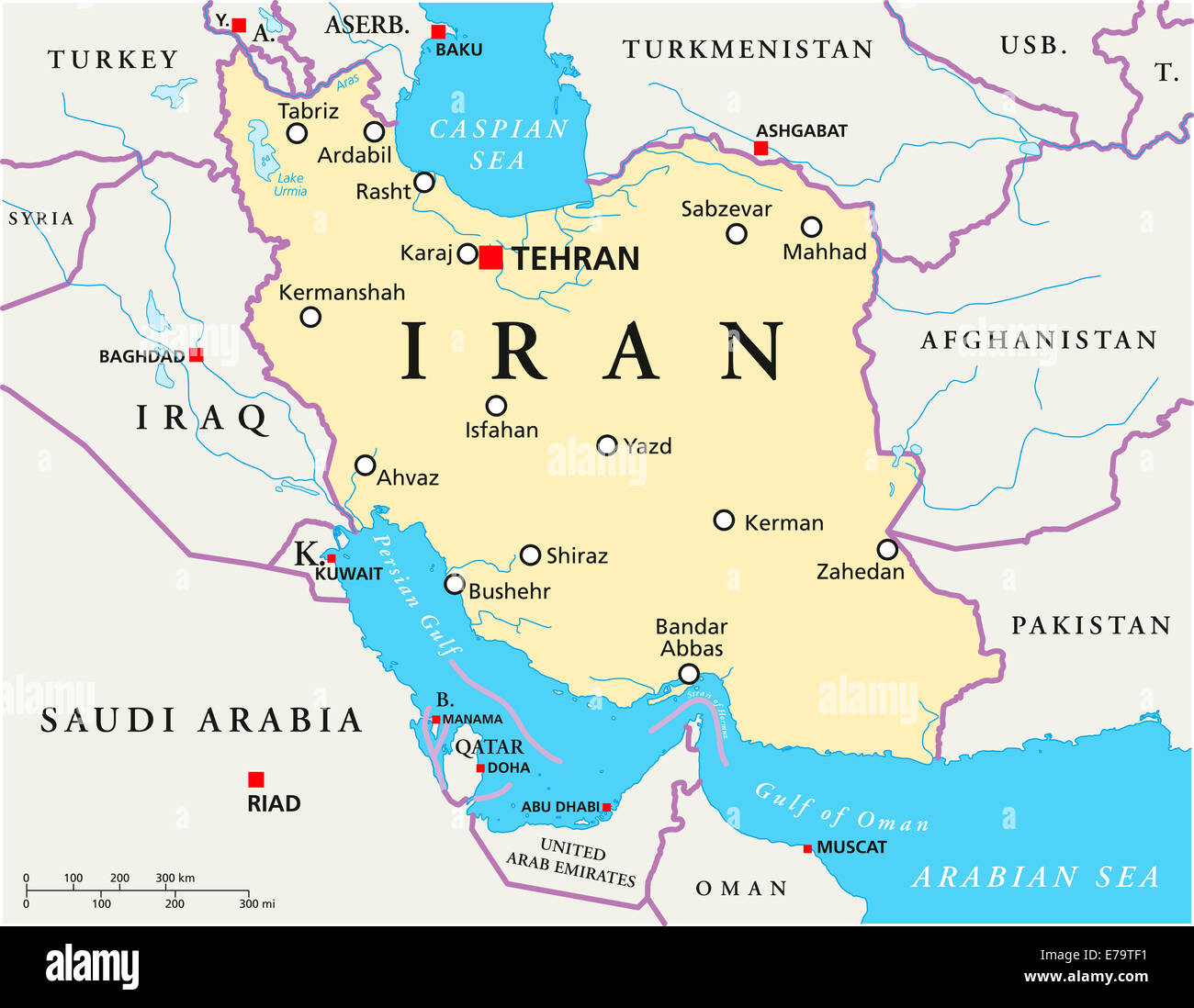
The Strait of Hormuz is arguably the most critical maritime bottleneck on earth. Roughly a fifth of the world's petroleum passes through this narrow passage. When Iran's Revolutionary Guard Corps navy claims responsibility for hitting or mining commercial vessels, it isn't just posturing. It's a calculated demonstration of asymmetric leverage.
The Revolutionary Guard has made its stance crystal clear. They've threatened to strike US military assets in the region if American warships continue escorting commercial cargo through the strait. Meanwhile, British maritime monitors like the United Kingdom Maritime Trade Operations note that many crews are becoming increasingly reluctant to even report incidents due to safety fears. To explore the complete picture, check out the detailed analysis by USA.gov.
Why right now? The timing is far from random. Israel faces high-stakes elections where Prime Minister Benjamin Netanyahu's political survival hangs in the balance. Across the Atlantic, US midterm elections are just weeks away, and voters are furious about war-driven inflation. Both Washington and Tehran know that a spark could easily ignite a wider conflict.
Diplomacy Stalling as Hardliners Dig In
Diplomatic channels are working overtime, but they're sputtering. Abbas Araghchi, Iran's top diplomat, insists that Tehran remains open to talks while simultaneously preparing for total defense. Iran claims to have absorbed crucial military lessons from the initial strikes that kicked off the current cycle of hostility back in February.
Instead of backing down, Tehran is signaling that future retaliation won't just target shipping. They are eyeing critical infrastructure like undersea data cables and digital communication hubs. That's a terrifying prospect for modern supply chains that rely on unbroken data flow just as much as physical fuel.
On the American side, the response has been pure muscle. The Pentagon has dispatched a third aircraft carrier along with thousands of troops, assembling the largest concentration of US naval and air power in the Middle East in decades.
Mediators keep floating proposals to de-escalate. Tehran recently pitched a seven-day roadmap that would halt hostilities and fully open the strait, provided the US lifts its economic blockades on Iranian ports. Sound familiar? It's basically a rerun of the deal that collapsed just days after being signed. US President Donald Trump promptly rejected the latest offer, though backdoor indirect discussions continue behind closed doors.
What This Means for Global Supply Chains and Your Wallet
Every time a tanker catches fire near the Persian Gulf, the ripple effects hit global markets instantly. We aren't just talking about crude oil. Natural gas shipments and agricultural inputs like fertilizer are also funneled through these exact waters.
When insurance premiums for cargo vessels skyrocket, consumers pay the price at the pump and on store shelves. A return to all-out war in the region doesn't just endanger local civilians; it threatens to choke international trade lines at a time when the global economy can least afford another shock.
If you run a business dependent on imported materials or energy, you need to watch these maritime developments closely. Diversifying supply routes and hedging against fuel volatility aren't optional precautions anymore—they're survival tactics.
Keep a close eye on naval deployments, maritime insurance rates, and official shipping advisories over the coming weeks. The situation in the Persian Gulf remains razor-thin, and ignoring the warning signs is a luxury we simply don't have.