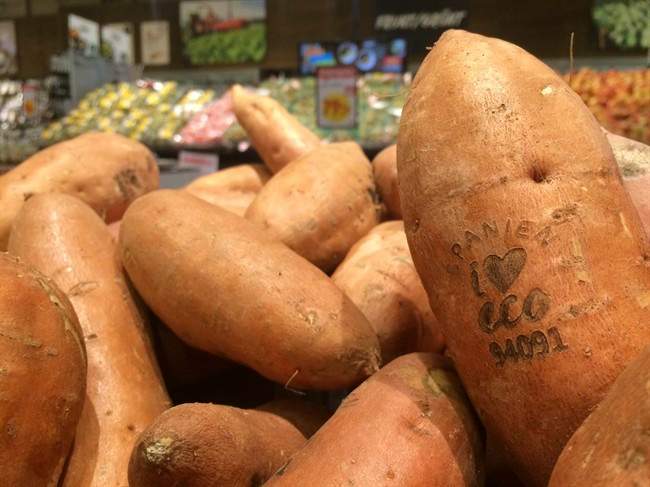
Sweet potato gnocchi with brown butter and sage turns dense and gummy when you treat sweet potatoes like standard russet baking potatoes. They hold more moisture. They contain more natural sugars. And if you panic and dump extra flour into sticky dough, you end up chewing rubbery little pillows instead of light pasta.
I've made this dish dozens of times across home kitchens and test batches, and the biggest mistake happens long before you pick up a bench scraper. People boil the tubers or rush the cooling step. Dry heat matters here. Roasting drives off excess water and concentrates sugars, giving you a base that actually wants to hold a delicate shape without needing a mountain of wheat flour.
Why Sweet Potato Gnocchi With Brown Butter and Sage Fails So Often
A quick glance at any basic recipe makes gnocchi look effortless: mash, mix with flour and egg yolk, cut, boil, toss in butter. Simple on paper. Tricky in practice.
Sweet potatoes behave differently from starchy white potatoes during cooking. Food science research on sweet potato cooking methods shows that baking drives off moisture and concentrates soluble sugars like maltose and glucose, whereas boiling leaves flesh wetter and can leach out flavor compounds (study on sweet potato cooking methods and flavor). When your starting mash is watery, flour acts like a sponge. More flour means stronger gluten development as you knead, and too much gluten turns pillowy gnocchi into chewy eraser bits.
There is another trap with timing. Brown butter and gnocchi cook fast. If your butter is still foaming pale yellow while your gnocchi sits waiting on a plate, or if your sage hits scorching fat too early, one side of the dish gets ahead of the other. You want the pan and the pot working together, not competing.
Roasting Versus Boiling or Steaming
Skip the pot of boiling water when cooking the sweet potatoes for your dough. Boiling adds water right where you don't want it. Steaming is better than boiling, yet dry oven roasting around 400°F (about 200°C) until tender gives you drier flesh and deeper caramel sweetness.
Once the sweet potatoes are soft, scoop out the flesh while warm, press it through a ricer or fine mesh sieve so there are no stringy fibers, and spread it out in a thin layer on a baking sheet. Let steam escape for ten to fifteen minutes. Traps of trapped steam condense into water droplets on your dough, and water is the enemy of tender gnocchi.
The Flour Trap and Dough Handling
Here is an honest truth about making gnocchi: recipes give weights, yet moisture varies from tuber to tuber. A dry, fibrous sweet potato needs less flour than a juicy, freshly harvested one.
Start with a modest amount of all-purpose flour, a single egg yolk for richness and structure, finely grated Parmesan, fine salt, and a pinch of freshly grated nutmeg. Gently fold and press the dough together with your hands or a dough scraper just until a soft mass forms. If it sticks stubbornly to your fingertips, add flour a tablespoon at a time rather than all at once. Stop kneading the moment it holds together. You are building a gentle dough, not bread loaf tension.
Getting the Brown Butter and Sage Right
Brown butter, often called beurre noisette in classic French cooking, sounds fancy until you watch what actually happens in the pan. Regular unsalted butter is roughly 80% butterfat, around 15% to 18% water, and a small fraction of milk solids containing lactose and proteins like casein and whey (overview of brown butter chemistry).
First, the water boils off with loud crackling and bubbling. Once that water exits, the temperature rises above the boiling point of water, and the milk solids begin to toast via the Maillard reaction. That gives you toasted hazelnut, caramel, and savory depth.
Watch closely. The window between golden-brown nutty perfection and acrid burnt milk solids is seconds, not minutes. Use a stainless steel or light-colored skillet if you have one so you can actually see the color shift beneath the foam.
Toss fresh sage leaves into the butter once the heavy water spatter calms down so their essential oils infuse the fat and the leaves crisp up without turning bitter black. A squeeze of fresh lemon juice right near the end cuts through the richness and wakes up both the sweet potato and the browned dairy.
Complete Recipe and Method
This batch serves four as a main course or six as a starter. Use metric weights on a kitchen scale if you have one; baking and pasta doughs reward consistency.
Ingredients for the Gnocchi
- 450 g (about 1 lb) roasted, riced, and cooled sweet potato flesh (typically two medium-to-large sweet potatoes before roasting)
- 150 g (about 1 cup plus 1 to 2 tbsp) all-purpose flour, plus extra for dusting, and up to 50 g extra only if needed for a very wet batch
- 1 large egg yolk, at cool room temperature
- 25 g (about 1/4 cup) finely grated Parmesan cheese, plus extra for serving
- 1 tsp kosher salt, plus more for the boiling water
- 1/4 tsp freshly grated nutmeg and 1/4 tsp freshly cracked black pepper
Ingredients for the Brown Butter Sage Sauce
- 80 g (about 5.5 tbsp) unsalted butter, cut into even chunks
- 12 to 16 fresh sage leaves, rinsed and patted completely dry
- 1 tbsp fresh lemon juice
- 20 g shaved or finely grated Parmesan to finish
Step-by-Step Cooking Workflow
- Roast and dry the sweet potatoes. Heat your oven to 400°F (200°C). Pierce whole sweet potatoes a few times with a fork and roast on a foil-lined tray for 45 to 60 minutes until completely soft when squeezed. Slice open to vent steam for 3 minutes, scoop the flesh into a potato ricer over a wide sheet pan, and spread it out to cool and steam dry for about 10 to 15 minutes.
- Bring a wide pot of salted water to a gentle boil. Fill a large pot with water, season generously with salt so it tastes lightly seasoned like mild broth, and set it over high heat.
- Mix a tender dough. Place the cooled, riced sweet potato in a wide bowl. Add the egg yolk, grated Parmesan, salt, nutmeg, and black pepper, then scatter 150 g of flour over top. Gently fold and press together with a bench scraper or your hands until a cohesive dough forms. Add a spoonful of extra flour only if it feels tackier than a soft earlobe.
- Shape the gnocchi. Divide the dough into four portions on a lightly floured surface. Roll each portion gently with your palms into a rope roughly 2 cm (3/4 inch) thick. Cut into 2 cm pieces with a bench scraper. You can roll them lightly across the tines of a fork or leave them as neat pillowy cushions—honestly, simple pillow cuts hold brown butter just fine without overworking the dough.
- Start the brown butter and sage. Set a wide skillet over medium heat and add the butter chunks. As the foam subsides and turns golden with brown flecks smelling nutty, drop in the dry sage leaves. Swirl the pan for 20 to 30 seconds until the leaves crisp and turn deep sage-green. Pull the skillet off the direct burner or turn heat to low so it doesn't scorch while you cook the pasta.
- Boil and finish. Drop the gnocchi into gently simmering-to-boiling water in batches so they don't crowd. They are done as soon as they float to the surface and feel tender, usually 2 to 3 minutes. Lift them out with a slotted spoon or spider strainer directly into the skillet with the brown butter and sage (a tiny splash of starchy cooking water helps gloss the sauce). Add the lemon juice, toss gently for 15 to 20 seconds, plate immediately, and top with shaved Parmesan.
Common Questions and Smart Swaps
Can you make the dough ahead? You can shape the cut gnocchi onto a parchment-lined tray dusted lightly with flour and refrigerate them uncovered for a couple of hours, or freeze them solid on a tray and transfer to a freezer bag to cook straight from frozen (add 30 to 60 seconds in the boiling water). Don't leave mixed dough sitting around for hours, though, because moisture can draw out and make it sticky.
What if you prefer pan-searing over boiling? Some cooks boil the gnocchi until they float, drain them, and sear them in a touch of oil or butter to get crusty edges before tossing with the sage butter. That works well if you like contrast, though boiling straight into the butter sauce keeps the texture softer and more delicate.
And if you don't love nutmeg, leave it out. Nutmeg is classic in Italian pasta fillings because it plays nicely with dairy and root vegetables, yet a small pinch goes a long way—too much tastes sharp and soapy.
Practical Next Steps
Next time you roast sweet potatoes for dinner, toss in one extra tuber to test your ricing and drying routine before making a full batch of dough. Keep a digital scale handy when measuring flour, watch the skillet like a hawk during the last thirty seconds of browning butter, and taste one piece of gnocchi straight from the water before tossing the whole pan so you know the texture is spot-on.