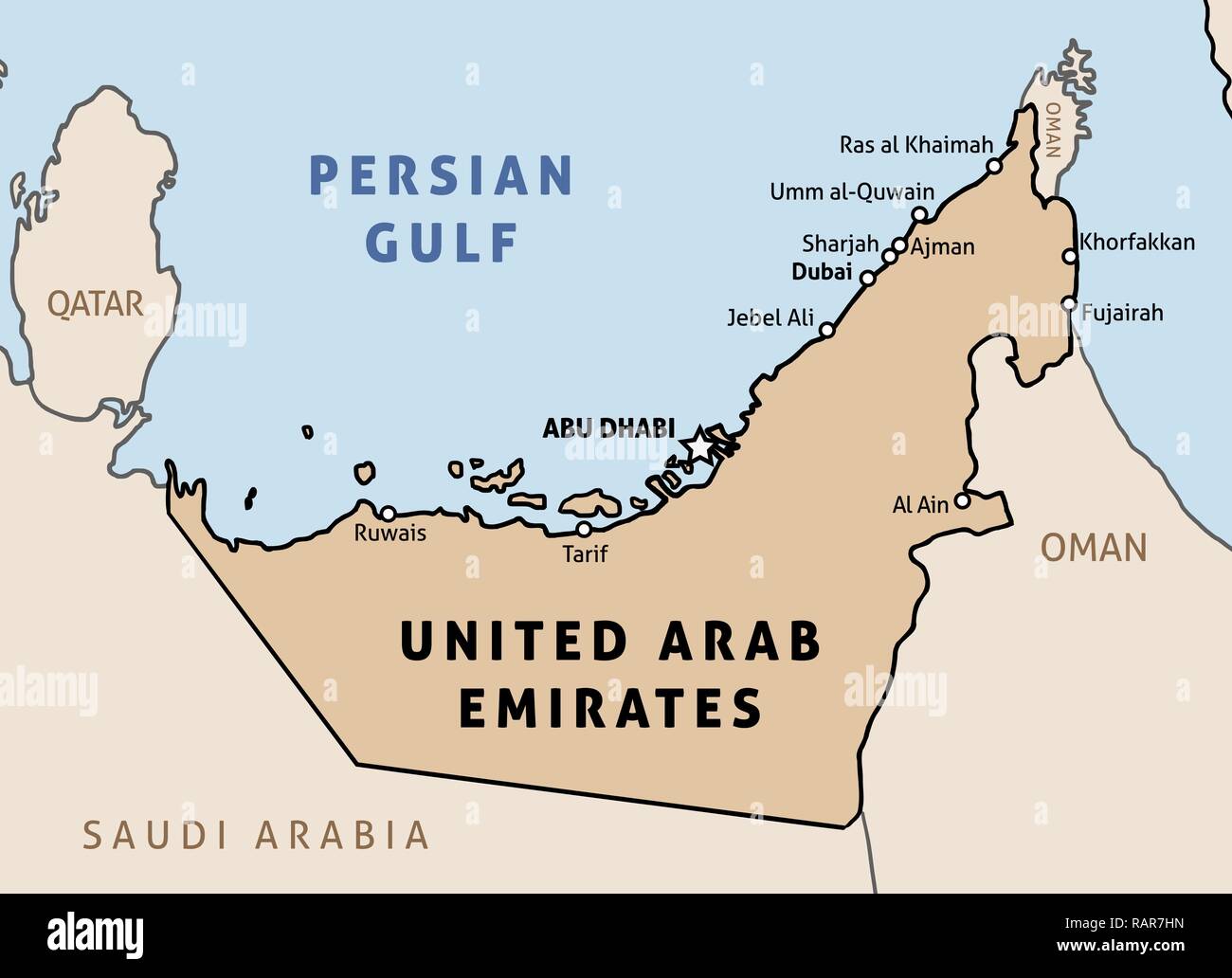
Geopolitical reporting often loves a sensational headline. Media outlets scramble to frame complex diplomatic balancing acts as secret betrayals or backroom conspiracies. You've probably seen claims alleging that the United Arab Emirates has quietly aided Iran-backed Houthis to target Saudi forces. It sounds like a spy thriller. But reality on the ground in the Arabian Peninsula is far messier, dictated by shifting economic priorities, security realities, and pragmatic statecraft rather than comic-book villainy.
Let's unpack what is actually happening behind the diplomatic curtains.
The Shifting Sands of Regional Alliances
Back in 2015, Riyadh and Abu Dhabi marched in lockstep. Both countries launched Operation Decisive Storm, intervening in Yemen's civil war to roll back Houthi advances and restore the internationally recognized government. They shared intelligence, pooled military hardware, and presented a united front against Iranian expansionism.
Then, reality set in. Protracted conflicts drain treasuries and test political patience.
By 2019, the UAE began winding down its direct military footprint in Yemen. Abu Dhabi realized that a complete military victory was practically impossible without an endless quagmire. Instead, the UAE pivoted toward local proxy partnerships, training and equipping regional security forces like the Southern Transitional Council (STC) to secure key shipping lanes, counter terrorism, and protect strategic choke points like the Bab-el-Mandeb strait.
This pivot confused observers who still viewed the conflict through a rigid, binary lens. When Abu Dhabi's strategy diverged from Saudi Arabia's tactical preferences, outsiders jumped to wild conclusions.
Dissecting the Allegations of Backchannel Deals
Why do rumors persist that Abu Dhabi coordinates with groups backed by Tehran?
Critics point to pragmatic communication channels. In modern statecraft, talking to adversaries or rival factions doesn't automatically mean you're conspiring with them. Intelligence agencies maintain open lines to prevent miscalculations that could spark all-out war. When Emirati officials engage regional actors, they protect their homeland's security, maritime commerce, and critical infrastructure from drone and missile attacks.
Saudi Arabia and the UAE remain indispensable economic partners and strategic allies. Their leadership shares a common vision for economic diversification, moving away from oil dependency through massive national projects. Suggesting that Abu Dhabi would actively risk its own security architecture to undermine Riyadh ignores basic geopolitical incentives.
Realpolitik Versus Headline Sensationalism
Foreign policy isn't a team sport. Nations pursue sovereign interests.
The UAE focuses intensely on securing its coastline, protecting global supply chains passing through the Red Sea, and countering extremist groups like Al-Qaeda in the Arabian Peninsula. Sometimes, these priorities overlap with Saudi objectives. Sometimes, they don't. Divergence on tactical approaches in Yemen led to diplomatic friction in past years, but friction is normal among sovereign neighbors navigating a volatile neighborhood.
If you look past sensational clickbait, you see two powerful Gulf states recalibrating their foreign policies for a post-oil era. They want stability, foreign investment, and secure trade routes. Instability at their doorstep hurts everyone involved.
Moving Past the Conspiracy Theories
Navigating modern Middle Eastern politics requires looking at the structural drivers of state behavior. Economically driven foreign policy replaces endless military intervention. Abu Dhabi wants trade and tourism to thrive. Riyadh wants its Vision 2030 megaprojects built without incoming ballistic threats.
Stop buying into the myth of secret underground alliances designed to sabotage neighbors. The real story is far more mundane: pragmatism has replaced blind interventionism, and every regional player is looking out for number one. Keep your eyes on trade deals, diplomatic summits, and infrastructural investments rather than anonymous intelligence leaks designed to drive traffic.