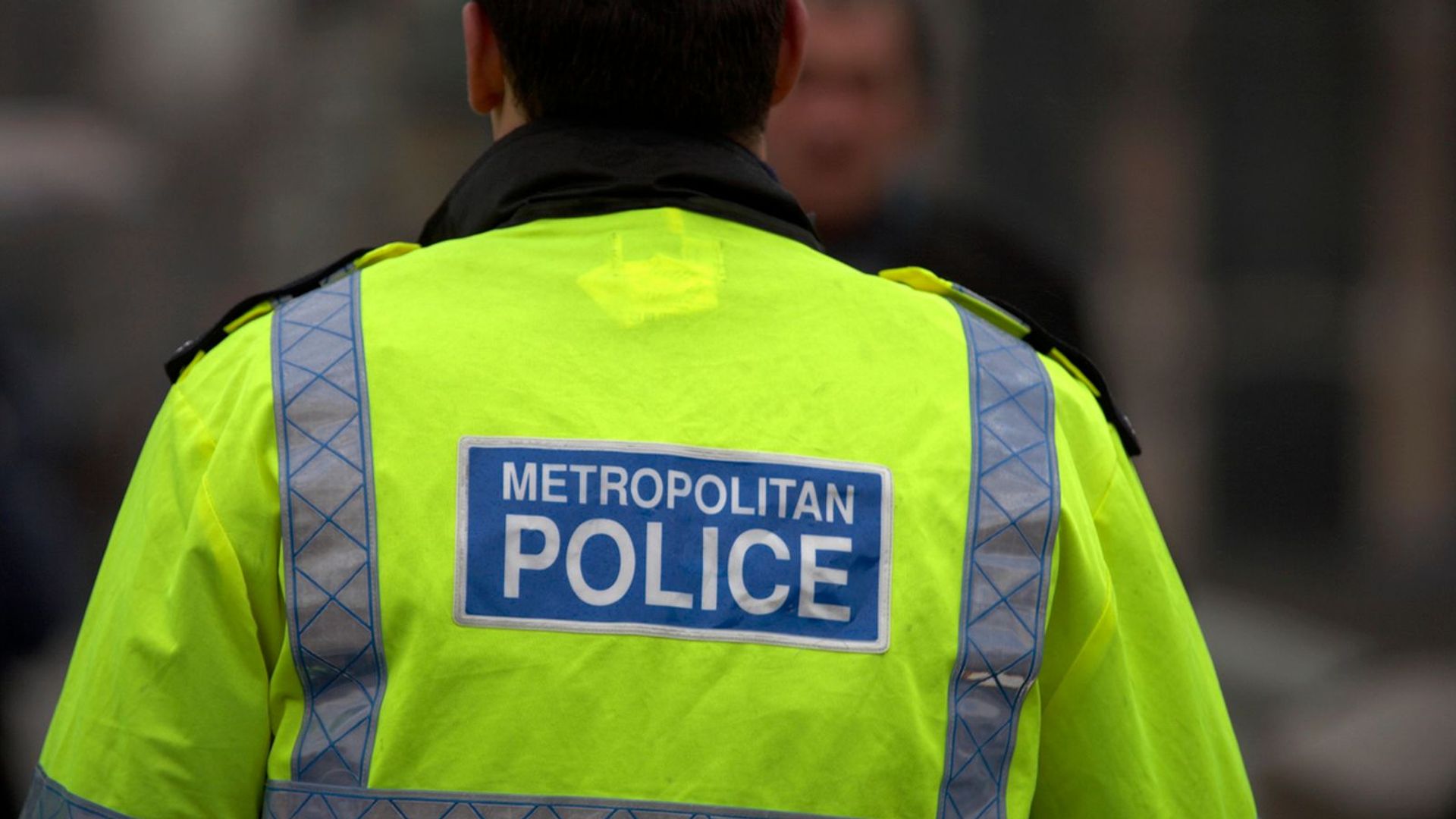
Standing on a London street while an officer points a work phone at your face feels weird. Even if it's legal. Even if the officer tells you what they're doing first.
With the Met Police facial recognition pilot now live, officers testing the new tool can snap a photo of someone without their permission and run it against a massive database of roughly one million custody images. No, you don't get a veto button on the pavement. The catch is that officers have to tell you they're taking the picture, and they aren't supposed to use it covertly or just to satisfy idle curiosity.
The headlines make it sound like a sudden jump into a sci-fi dragnet. Honestly, the reality is a bit more specific—and a lot more revealing about how policing is shifting from fixed cameras to pockets.
How the Met Police Facial Recognition Pilot Actually Works
Officially, Scotland Yard calls this Operator Initiated Facial Recognition, or OIFR. It launched as a six-month proof of concept in mid-November 2026, putting the tech into the hands of 100 trained officers across frontline policing and custody suites.
Instead of setting up a van with pole-mounted cameras and scanning hundreds of passersby at once, OIFR is point-and-shoot. An officer uses a Met-issued phone app to take a picture and check it against custody images. According to the Metropolitan Police news release, officers uploaded 15 photos during the first 24 hours—a number Commander Nick John noted was higher than he expected right out of the gate.
What happens if the app doesn't find a match? Police have stated that if an individual's photo is taken and there's no match, their biometric data is deleted straight away. That detail matters, because one of the biggest fears people have around street photography is permanent collection of innocent faces.
Still, speed is the main selling point here. Anyone who has spent time around policing or courts knows how much time gets burned when someone refuses to give their name, lies about who they are, or is too injured or unconscious to speak. If a quick match confirms identity on the spot—or flags a risk—officers argue it saves hours of guesswork.
When Officers Can Use It, and When They Can't
This isn't a free-for-all where an officer can photograph every person waiting for a bus. Police guidance ties OIFR to specific situations, such as when someone is unknown to the officer and reasonably suspected of a recordable offence, especially if they won't give their details or the officer thinks they're giving fake ones. It can also apply where someone may be at risk, poses a risk of harm, or can't identify themselves due to injury, unconsciousness, or death.
Crucially, it's meant to be overt, not secret. Officers have to tell you they're photographing you. You don't have to consent, though, which is where friction starts.
From a practical standpoint, there's a big difference between a camera scanning an entire crowd passively and an officer standing right in front of you with a phone. One feels invisible until you spot a sign. The other is face-to-face, personal, and tense.
Why Critics Call It Stop and Search With a Camera
Civil liberties groups aren't shy about pushing back on this. When critics say OIFR combines the headaches of traditional stop-and-search with the risks of facial recognition, they aren't just throwing buzzwords around.
Stop-and-search has a long, controversial history in London. Arguments about uneven use across communities, low arrest rates on certain searches, and eroded trust come up again and again. Adding a phone camera that checks a face against a million custody photos raises a sharp question: does this speed up fair policing, or does it give officers a faster way to scrutinize people on a hunch?
Biometric accuracy and demographic bias are part of that debate, too. Even when algorithms perform well in lab tests or controlled settings, real streets are messy. Lighting changes. People tilt their heads, wear hoods, or stand in crowded doorways. And a match suggestion from software is only as reliable as the human officer reviewing it and the quality of the reference image in the system.
As reported by The Guardian, police officials have pointed to immediate deletion of non-matching biometric data and human oversight as built-in guardrails. Critics counter that guardrails on paper don't always stop mission creep once a tool feels convenient in daily patrol work.
Bigger Than One London Trial
If you look at the broader picture, this pilot didn't come out of nowhere. UK police forces have been expanding facial recognition across several fronts—live camera deployments, retrospective checks on existing footage, and now handheld operator-initiated tools.
Live facial recognition has already been used in places like London and other parts of England and Wales, with police pointing to thousands of arrests over recent years for serious offences. At the same time, high-profile misidentifications, legal debates, and parliamentary scrutiny—including work highlighted by UK Parliament's POST—show that the legal and regulatory framework around biometric policing is still catching up to the hardware.
That gap is what makes this six-month pilot worth watching closely. Technology moves in months; clear laws and public trust take years.
A Few Myths Worth Clearing Up
People hear "photograph without consent" and jump straight to worst-case scenarios. Let's separate rumor from reality:
- Myth: Police can secretly snap your photo from across the street. OIFR isn't meant to be covert. Officers have to inform you that a photo is being taken.
- Myth: Every person you pass on the street gets added to a police database. The trial focuses on specific scenarios like suspected offences, identity disputes, or risk/welfare situations, and police say non-matching biometric data is deleted right away.
- Myth: A computer match automatically proves guilt. A biometric match is an investigative lead or identity check, not a verdict. Human review and legal thresholds still apply.
What You Can Actually Do Right Now
You can't rewrite policing policy on your own, obviously. You can, however, stay sharp and informed if you live in, work in, or visit London during this six-month trial.
- Know the difference between being informed and giving permission. If an officer tells you they're taking a photo for identity purposes, understand that your consent isn't required under the pilot's rules—so arguing about "consent" on the spot usually won't stop the shutter.
- Stay calm and ask clear, factual questions. If you're stopped, ask what offence or reason applies, note the officer's collar or badge number if appropriate, and avoid escalating a tense encounter.
- Read the official policy documents yourself. Instead of relying purely on social media outrage or press soundbites, check the Metropolitan Police's published impact assessments and operational policies on facial recognition to see the exact rules governing the trial.
- Follow watchdog and legal updates over the next six months. Six months goes fast. Watch how often the app is used, whether false matches surface, and what independent reviewers say once the initial pilot data is examined.