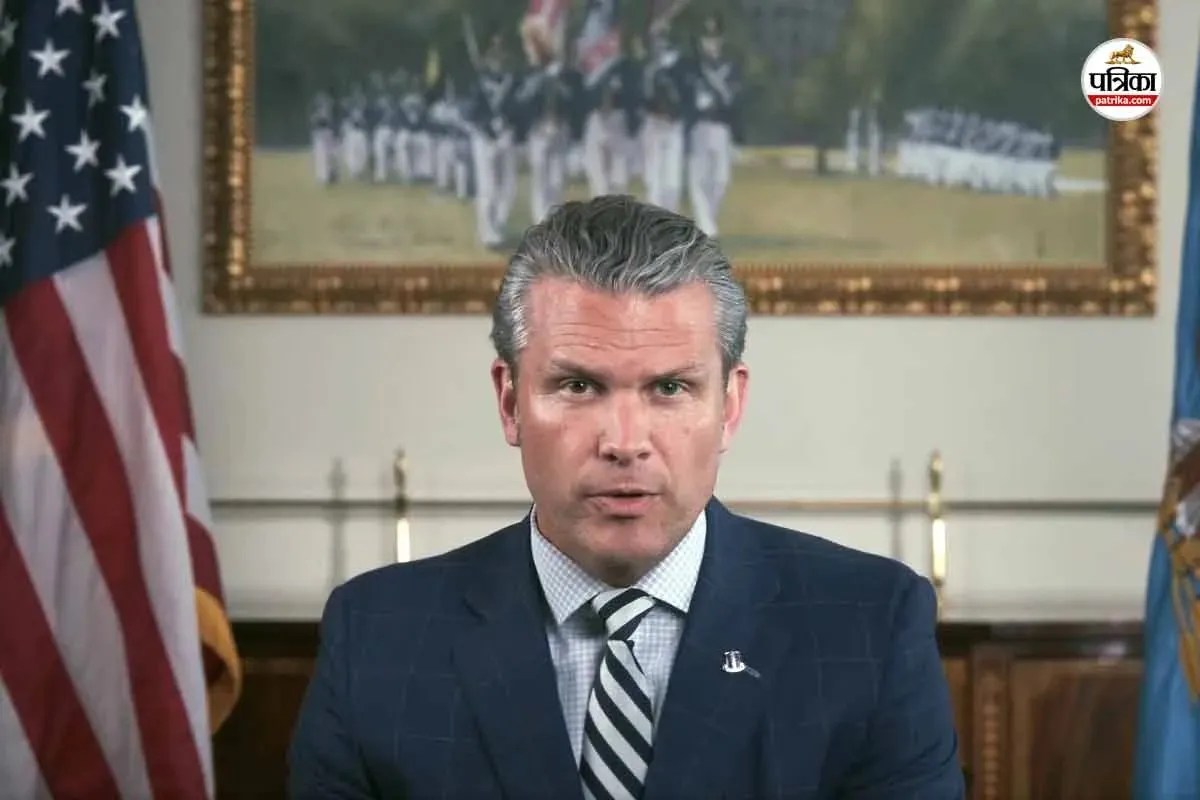
Elections have consequences, but military quagmires have casualties of a different kind. Following a bruising midterm election rout that stripped the ruling party of its congressional majority, Washington has turned on its own. Defense Secretary Pete Hegseth is staring down open rebellion from Capitol Hill, with lawmakers from both sides of the aisle lining up to demand his head.
The trigger wasn't just a lost election. It was the messy, deeply unpopular war with Iran that critics argue was rushed into without a clear exit strategy. Now, even party loyalists are breaking ranks, and the threat of a formal impeachment vote is hanging over the Pentagon.
The Midterm Reality Check and the Iran Blame Game
When voters head to the ballot boxes and hand out a historic defeat, politicians look for someone to blame. This time, the finger points straight at the Pentagon. The White House itself hasn't been entirely shielded from the fallout, with Vice President JD Vance openly questioning whether the Iran conflict was worth the political cost. But the real lightning rod is Hegseth.
Republican Representative Thomas Massie didn't mince words, publicly demanding Hegseth's resignation and threatening to bring a motion for impeachment straight to the House floor. Massie isn't alone. Behind closed doors, several GOP sources admit that the momentum for an impeachment vote is building fast, and it might actually pass.
It's a historical echo of November 2006, when George W. Bush dumped Defense Secretary Donald Rumsfeld immediately after a midterm shellacking driven by opposition to the Iraq war. Back then, political survival demanded a sacrifice. Today's lawmakers smell blood in the water for the exact same reasons.
Why Lawmakers Are Turning on the Pentagon Chief
Hegseth’s tenure has been anything but conventional. Ever since taking over the defense portfolio, he's embraced a combative, highly polarized style that alienated traditional defense hawks and moderate legislators alike. But the friction went from bad to toxic once military operations in Iran, Yemen, and other regions began drawing intense congressional scrutiny.
Critics argue that Hegseth bypassed vital House oversight, pushing aggressive campaigns without accounting for the economic or geopolitical blowback. Domestically, the war sent shockwaves through everyday consumer markets, drawing blistering attacks from senators who questioned how taxpayers could shoulder ballooning military budgets while coping with economic strain.
Democratic lawmakers have been even harsher. Representative Jason Crow blasted Hegseth on national television, labeling him incompetent and claiming that his continued presence at the helm directly endangers American service members. Meanwhile, internal friction has paralyzed key legislative efforts, including negotiations over a massive 1.5 trillion-dollar defense budget that is currently stalling out amid the chaos.
The White House Response and What Comes Next
Despite the mounting calls for his removal, President Donald Trump has offered public backing, insisting that Hegseth is doing a solid job. But presidential loyalty in Washington only stretches as far as political survival allows.
As the new congressional session looms, the threat of an impeachment trial is very real. Lawmakers are gearing up to force votes on the Pentagon's handling of the Middle East conflict, and rumors are already swirling in political circles about potential successors—including Florida Governor Ron DeSantis—who could step in if the pressure becomes too heavy to bear.
The next few weeks will determine whether Hegseth can weather the storm or become the ultimate political casualty of a war that upended Washington's balance of power.