Tragedies have a unique way of stripping away political theater and exposing the raw nerves of a nation. When a horrific mass shooting tore through Krakow's historic market square, it didn't just shatter lives; it sent shockwaves through the entire political establishment of Poland.
The Shifting Political Fault Lines
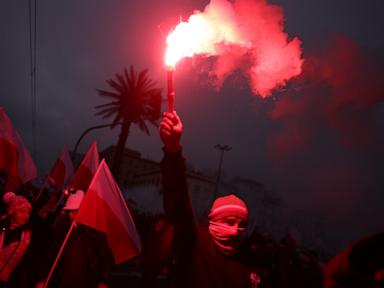
You would think a national catastrophe of this scale would instantly freeze partisan warfare. Instead, it happened right as the country was gearing up for its major Independence Day commemorations. President Karol Nawrocki made headlines by stepping directly into nationalist demonstrations, a move that drew intense scrutiny while the country was still reeling from the violence.
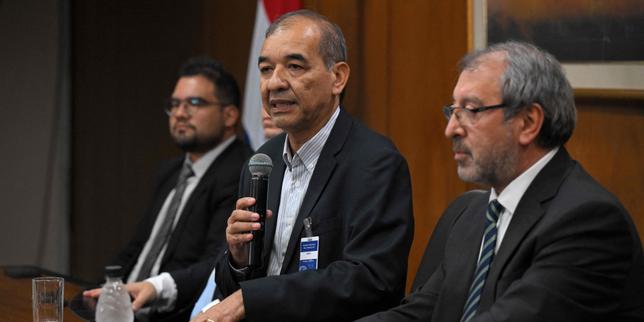
Politics doesn't pause for grief. Prime Minister Donald Tusk, Nawrocki’s fierce political rival, chose a different path by focusing appeals on national unity and mourning. Yet the tension remained palpable. Citizens caught in the middle are left wondering how a society so deeply polarized can find common ground when tragedy strikes at its doorstep.
Unpacking the Gun Control Debate
Behind the political posturing lies a stark reality about Poland's changing relationship with firearms. For years, Poland maintained some of the strictest gun laws in Europe. But numbers tell a different story now. With tens of thousands of new permits issued recently, the total number of licensed gun owners has climbed past 400,000.
When the 24-year-old assailant opened fire in the crowded market square using tactical gear and a semi-automatic rifle, it forced lawmakers to confront uncomfortable questions. How easy is it to obtain a permit? Are psychological evaluations rigorous enough? The interior ministry announced an immediate review of licensing conditions, but critics argue these reforms are long overdue.
The Challenge of Radicalization
Investigators quickly found themselves untangling a messy web of potential motivations. Early reports hinted at far-right leanings, while prosecutors cautioned against jumping to conclusions before examining the suspect's digital footprint and personal effects. The presence of extremist ideological markers sparked fierce debates about how radicalization takes root among young men in Central Europe.
It's easy to look for a single scapegoat, but the reality is messier. Extremism feeds on isolation, digital echo chambers, and institutional mistrust. Addressing it requires more than political condemnations; it demands a hard look at how society handles mental health and alienation.
Moving Forward From Here
Poland is standing at a critical juncture. The silent marches held in Krakow and the massive turnouts in Warsaw proved that ordinary citizens crave solidarity. But unity cannot just be a temporary band-aid applied during national mourning.
If leaders genuinely want to honor the victims, they need to turn away from weaponizing tragedies for partisan gains. Fix the regulatory gaps in gun ownership, tighten oversight on radicalization, and stop treating national security as a political football. The stakes are simply too high to keep repeating the same cycles.
Poland treats fatal mass shooting as 'terrorist offence' amid two days of mourning
This short video clip provides an overview of how authorities categorized the Krakow mass shooting as a terrorist offense and the subsequent national mourning period.