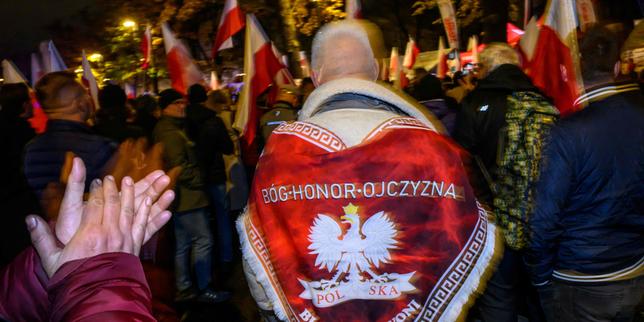
Tanks aren't rolling through the streets of Warsaw, but police cordons and midnight showdowns at the highest court in the land are close enough to keep everyone on edge. Poland is staring down a political crisis that makes standard parliamentary bickering look tame. Prime Minister Donald Tusk is locking horns with nationalist forces and President Karol Nawrocki in a high-stakes brawl over who actually gets to control the nation's legal rulebook.
If you think this is just standard European political theater, look closer. The battle lines drawn around the Polish Constitutional Tribunal represent a fundamental collision between a centrist government trying to undo years of nationalist reforms and an entrenched opposition fighting to keep its institutional footing.
The Roots of a Decade-Long Institutional War
This mess didn't start yesterday. Back in 2015, the national-conservative Law and Justice (PiS) party began reshaping Poland's judicial appointments to cement its ideological grip. Critics, the European Union, and domestic watchdogs argued for years that these moves compromised the independence of the court entirely.
When Donald Tusk’s coalition returned to power in late 2023, cleaning house was priority number one. The European Court of Justice weighed in with rulings stating that the current Tribunal setup fails basic independence standards. But simply wanting to fix a broken system and actually doing it legally within a tense cohabitation are two entirely different beasts.
When the Diet (the lower house of Parliament) voted in new judges, President Nawrocki—a nationalist historian elected in 2025—hit the brakes. He flat-out refused to swear in key judicial selections, leaving the high court paralyzed and setting the stage for a brutal collision.
When Protests Meet Police Cordons
The temperature boiled over violently at the end of October 2026. Tusk's administration, losing patience with the gridlock, moved aggressively to break the deadlock. Police anti-riot squads locked down the Tribunal building in central Warsaw, while the justice ministry launched moves to lift the immunity of the court's president.
What followed looked like a political thriller script:
- National-conservative politicians tried to force their way inside the cordoned building.
- Newly appointed judges declared the sitting court president suspended.
- President Nawrocki hopped an emergency flight home from an overseas trip, marched straight down to the tribunal, and busted past police lines to confront rival magistrates face-to-face.
Opposition figures immediately screamed about a coup d'état. Supporters of the government argued that drastic measures were the only way to rescue a captured institution from partisan stagnation.
Why Brussels and International Observers Are Sweating
The European Union has spent years trying to keep Warsaw aligned with democratic norms. Brussels has largely thrown its weight behind Tusk’s attempts to reform the court and bypass presidential roadblocks. The Venice Commission chimed in with advisory opinions suggesting ways to invest judges without presidential sign-off, hoping to find a legal loophole through the thicket.
Yet, leaning heavily on police action and executive maneuvering to settle judicial disputes sets a dangerous precedent. When every side bends the constitution to fix the constitution, nobody wins. Poland’s democratic institutions are proving resilient because citizens and politicians care deeply about who holds power, but that same passion is stretching the legal framework to its absolute breaking point.
Finding a compromise right now looks nearly impossible. Both camps are dug in deep, wielding public protests and legal decrees like weapons. Until a lasting consensus emerges on who holds legitimate authority over the bench, Poland will remain trapped in this constitutional deadlock, waiting for the next spark to ignite the capital.