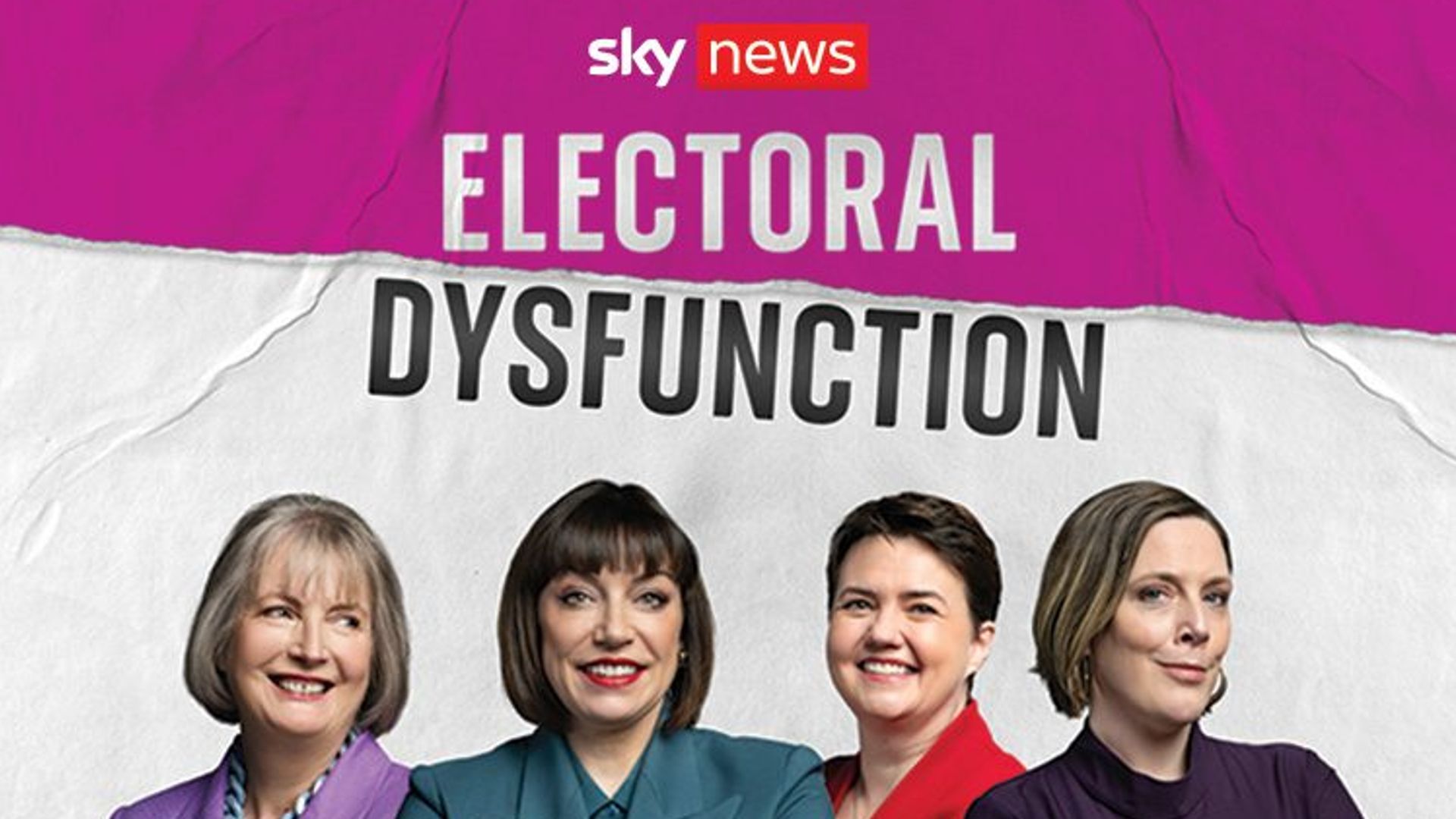
Politics is messy, loud, and entirely unpredictable. Most of the time, we consume it through a glowing screen or an earbud while commuting, staring blankly at traffic or train windows. But something weird has happened over the last few years. Audio creators have left the studio behind, dragging their microphones into grand concert halls and packed theatres. When Sky News' award-winning political podcast Electoral Dysfunction steps onto the stage at London's Cadogan Hall for its special live show, it proves that political commentary has found a brand new home.
You can look at charts, voting intentions, and manifesto pledges all day long, but you won't capture the actual pulse of the electorate that way. Live audio does something different. It strips away the polished, heavily edited sheen of broadcast studios and replaces it with raw, unfiltered room energy. Audiences aren't just passive listeners anymore. They want to be part of the messy conversation.
The Power of Unfiltered Personalities
Let's be honest about why shows like Electoral Dysfunction work so well. It isn't just about policy whitepapers or abstract constitutional law. It is entirely about the chemistry between the co-hosts. When you bring figures like Beth Rigby, Jess Phillips, and Ruth Davidson together in front of a live audience, the dynamic shifts.
Studio recordings allow people to measure every syllable. Live shows shatter that caution. When a host drops an unscripted reaction to a heckle or a sharp question from the stalls, you get authenticity that studio engineers can't manufacture. Listeners are trading parasocial distance for physical proximity. They want to see the facial expressions when a brutal political maneuver is dissected in real time. They want to feel the collective groan or laugh of a thousand like-minded politicos packed into a Victorian auditorium.
Why Podcasting Left the Studio
Audio used to be a deeply isolated medium. You put your headphones on to block out the world. Now, it has transformed into a communal event.
Think about the traditional political broadcast model. For decades, BBC and Sky political programming followed rigid formats—timed segments, neutral anchors biting their tongues, and carefully balanced panels designed to avoid Ofcom complaints. Podcasts broke those shackles. They proved that audiences prefer sharp opinions, genuine expertise, and human friction over robotic neutrality.
Moving that energy to a stage like Cadogan Hall is the logical next step. Venues offer scale, atmosphere, and direct feedback loops. When a joke lands or a sharp critique hits home, the reaction is immediate. There is no editing floor to smooth over awkward pauses. That high-wire act keeps ticket buyers coming back.
What Live Political Shows Get Right
If you have ever attended a live recording of a top-tier politics podcast, you notice a distinct shift in how people consume information.
- Unscripted tangents: Hosts abandon tight rundowns because the live crowd's energy dictates where the conversation flows.
- Audience intimacy: Q&A sessions often deliver better insights than the prepared segments, as real voters push back against political insider jargon.
- Humor as a survival mechanism: Westminster is exhausting. Live shows lean heavily into the absurd comedy of modern governance, helping crowds laugh through the political anxiety.
The Future of Live Audio Journalism
Political live tours are no longer just vanity projects for media personalities. They are vital revenue streams and community-building engines. Traditional news outlets used to struggle with audience loyalty. Viewers switched channels based on the evening's headlines. Podcasts build tribes.
When people buy a ticket to sit in a hall for two hours listening to political analysis, they are cementing a relationship with the brand. They trust the voices because they have shared a physical space with them. As media companies look for ways to survive shrinking ad revenues and shifting attention spans, the stage is proving to be far more lucrative and resilient than linear television.
The curtain rises, the house lights dim, and politics turns into live theatre. If you think you already know how the story ends, you haven't sat in the dark with a thousand other people waiting for the mic to turn on.