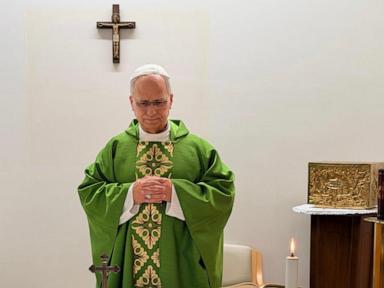
Tradition dies hard inside the walls of Vatican City. For centuries, sovereign pontiffs ruled with an almost absolute monarchy, often handling personal health crises behind closed doors and shunning medical advice in favor of stubborn endurance. Pope Leo XIV is tearing up that old playbook.
Recovering from lung cancer surgery at the Agostino Gemelli Polyclinic, the first American pope isn't just resting. He is actively conducting diplomatic business, chatting with world leaders like Russian President Vladimir Putin about ceasefires, and letting professional medical bulletins provide unprecedented transparency into his condition. It is a stark departure from past pontificates.
The Shift Toward Corporate Accountability
What you're watching right now is the quiet importation of American-style institutional governance into the heart of the Roman Catholic Church. Past leaders often governed alone, treating personal illness as a private burden to bear in isolation. Pope Leo XIV approaches his health crisis with a framework closer to modern corporate leadership: rely on expert counsel, lean on specialized systems, and keep stakeholders informed.
Julie Rubio, a professor of Christian social ethics at Santa Clara University, points out that this level of institutional transparency isn't just modern—it's profoundly healthy for any organization. When doctors like Luigi Carbone and Stefano Margaritora sign daily medical updates, it eliminates the wild rumors and secretive spinning that historically plagued papal sickbeds.
Moving Away From Absolute Clerical Control
This isn't isolated to medical bulletins. The American pontiff's administrative style is fundamentally reshaping how decisions get made. From his recent encyclical addressing artificial intelligence to his push to make the church less rigidly clerical, Leo is baking inclusive governance into everyday operations.
Contrast this with the final years of Pope Francis, who famously kept a tight grip on communications—frequently giving surprise interviews without looping in his own media handlers. While Francis used personal spontaneity to bypass traditional bottlenecks, Leo brings a systematic approach. He trusts experts to do their jobs, whether they are thoracic surgeons or diplomatic envoys.
Internal Friction and the Road Ahead
Change inside an ancient bureaucracy never happens without friction. Whispers are already circulating among Vatican insiders. Secretary of State Cardinal Pietro Parolin recently suggested that the pontificate might need to be adjusted moving forward, a subtle signal of the power struggles bubbling beneath the surface as traditionalists grapple with this new management style. Parolin's notable absence during recent high-profile visits to the pope's hospital room has only fueled speculation about how smoothly this new operational model is being accepted by old-guard cardinals.
You cannot graft corporate transparency onto a two-thousand-year-old monarchy without stepping on some toes. Yet, the momentum is clear. By treating a major health crisis with openness and delegating authority while recovering, Pope Leo XIV is setting a new baseline for what leadership looks like in the Vatican.
The old guard can grumble about American corporate practices all they want. The results speak for themselves. Clear communication wins, and institutional resilience beats isolated rule every single time.