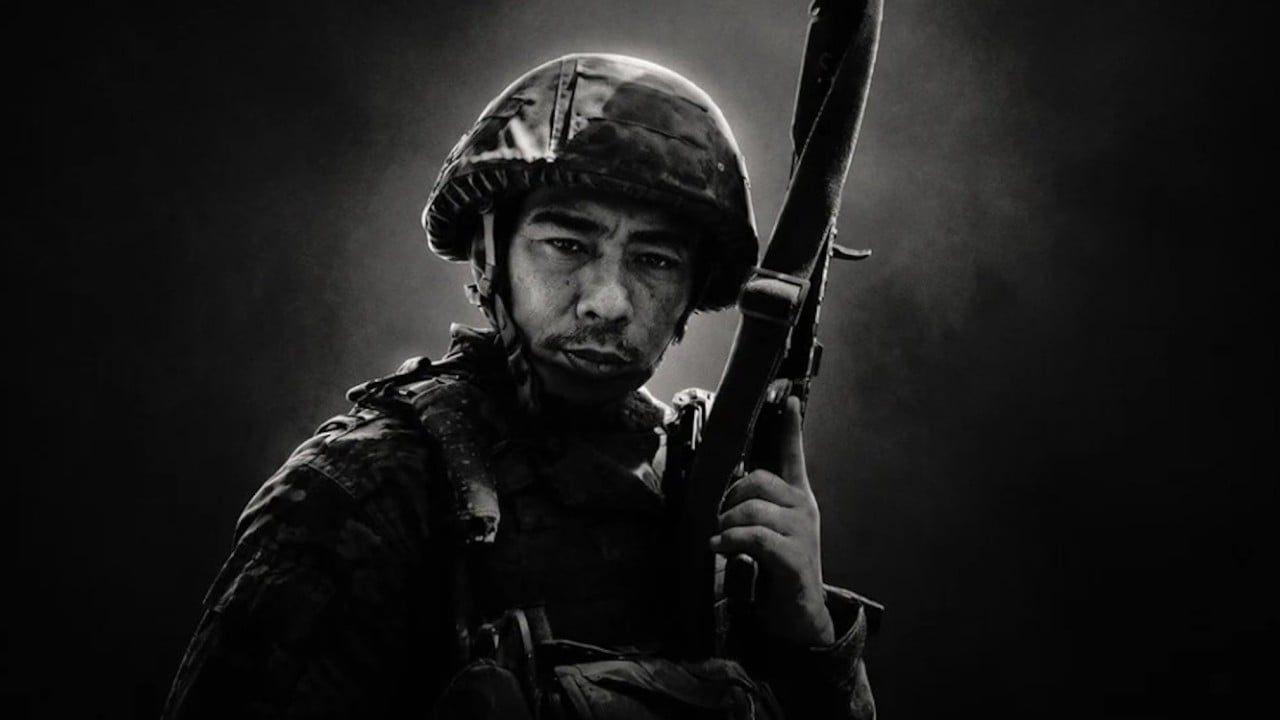
Indonesian citizens are dying on the front lines of a war thousands of miles away from home, lured there by fraudulent job advertisements and criminal trafficking syndicates. When reports surfaced that an Indonesian man named Rendi Apriyanto was killed by a drone strike in Ukraine after being promised a safe logistics job, Jakarta woke up to an uncomfortable reality. The Indonesian government has officially demanded that Moscow put an immediate stop to the recruitment of its nationals.
Naturally, analysts and observers are asking whether President Prabowo Subianto needs to pick up the phone and dial Vladimir Putin directly to settle the issue. But looking at this crisis strictly through the lens of a presidential phone call misses how modern mercenary pipelines actually work. Jakarta's diplomatic protest is a necessary first step, but stopping a network driven by financial desperation and organized crime requires much more than high-level handshakes.
The Reality Behind the Contracts
The recruitment of Indonesians into the Russian military isn't happening through official state channels or public embassy postings. It operates through shadow networks of human trafficking. Police investigations in Indonesia revealed that criminal rings—involving foreign and domestic operatives—use social media platforms to target vulnerable job seekers.
Victims are offered lucrative overseas contracts boasting monthly salaries around $3,000. For young workers facing a tough domestic job market, numbers like that look life-changing. The catch is revealed only after they arrive in Russia. Passports are handled, basic military training is rushed through in roughly a month, and these individuals find themselves thrust straight into active combat zones.
When you have transnational criminal syndicates exploiting online job boards, a direct warning from Jakarta to Moscow hits a brick wall of plausible deniability. The Kremlin can easily claim these individuals are independent contractors or volunteers, distancing the Russian state from the underlying criminal enterprises running the operation.
Prabowo and Indonesia's Tightrope Foreign Policy
President Prabowo has built a political persona around assertive diplomacy and maintaining Indonesia's traditional stance of strict non-alignment. He has traveled to Moscow, kept trade lines open, and worked hard to balance relations with both Western powers and Russia.
A direct call to Putin carries heavy diplomatic baggage. Prabowo has to weigh the protection of individual citizens against broader geopolitical stability and economic ties. If he handles the situation too aggressively, he risks fracturing a bilateral relationship that Indonesia has carefully preserved for decades. If he stays too quiet, domestic criticism mounts over the safety of citizens abroad.
Yet, expecting a phone call to dismantle a decentralized recruitment pipeline is naive. Russia's Ministry of Defense relies on a steady influx of foreign contract fighters to sustain its war effort in Ukraine without triggering another domestic mobilization. Localized trafficking networks feed right into that demand. Unless Moscow faces tangible pressure or diplomatic costs that outweigh the value of these foreign recruits, polite requests from foreign ministries rarely change behavior on the ground.
What Indonesia Is Actually Doing Right Now
Jakarta isn't just waiting around for a foreign leader to answer the phone. Law enforcement agencies have cracked down aggressively on domestic facilitators, naming dozens of suspects involved in trafficking citizens toward Russian combat roles. Indonesian authorities have intercepted multiple departures at local airports, stopping victims before they ever board flights out of the country.
The Indonesian embassy in Moscow is working overtime to verify the identities of those already caught in the system, track down casualties, and figure out who has survived. Under Indonesian law, citizens who voluntarily take up arms for a foreign military risk losing their citizenship altogether, which adds another layer of legal complexity to rescue and repatriation efforts.
Stopping this pipeline requires clamping down on the digital recruitment ads floating around local internet spaces, educating young workers about predatory overseas offers, and dismantling the domestic middlemen who facilitate the travel. Prabowo might eventually speak with Putin, but the real battle is being fought by investigators tracking down bank accounts, shell companies, and social media recruiters right at home.