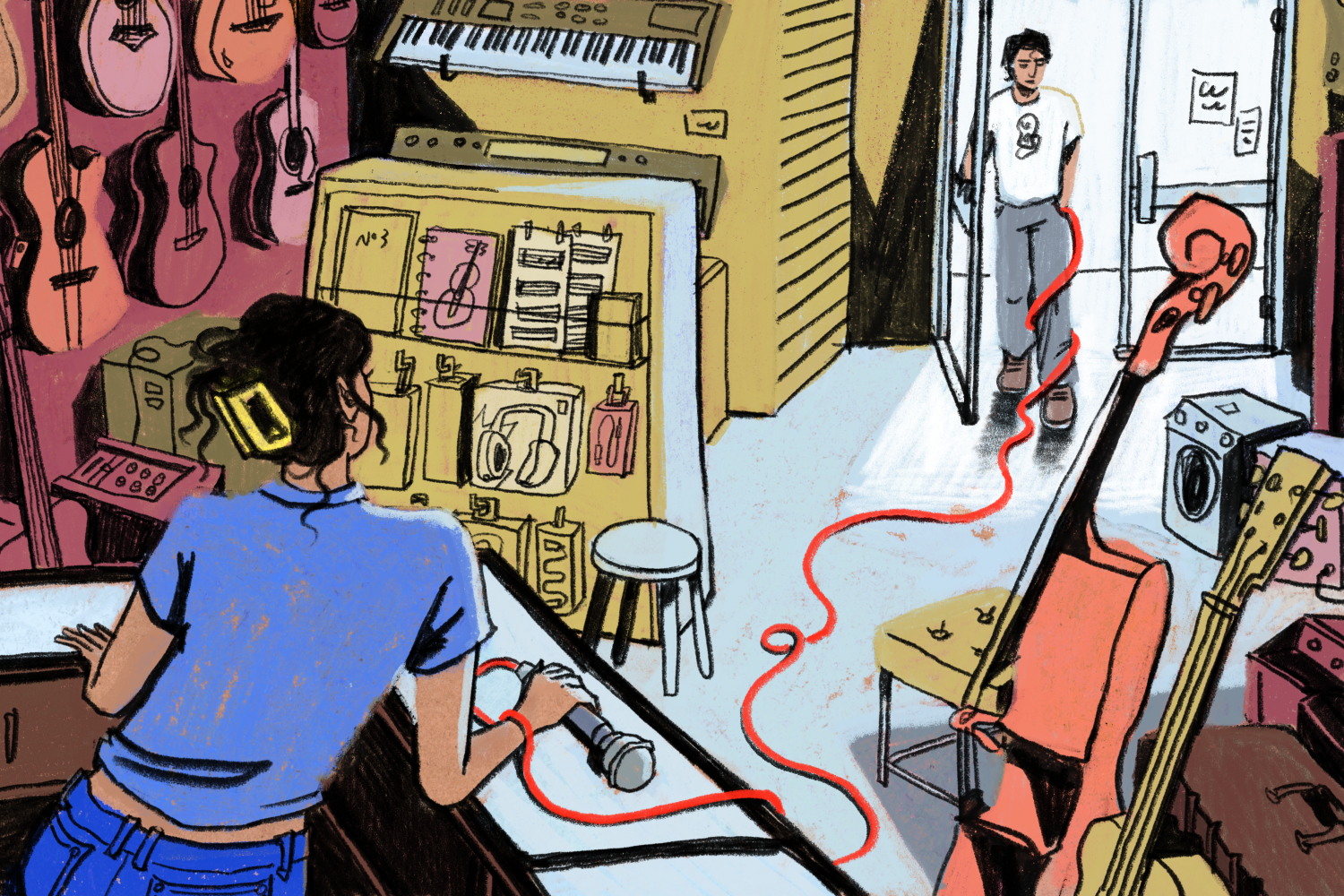
You walk into a gear shop with a clear mission, a list of cables or pedals in your head, and zero intention of meeting anyone new. Then someone reaches for the same patch cord or stops to listen while you test a riff, and the whole afternoon shifts.
Stories like singer-songwriter Sydney Shea's chance encounter tied to her music show how fast real connection happens when you stop treating dating like a separate job. Honestly, a lot of us spend months forcing romantic energy through apps while our real passions sit on the sidelines. Putting your craft first doesn't automatically lock you out of romance. It often changes how you show up, what you notice in other people, and who notices you back.
What Putting Music First Actually Does to Your Dating Life
When you commit seriously to writing songs, practicing an instrument, or playing live rooms, your time gets spoken for. Late nights in a rehearsal space or recording session don't mix well with endless small talk. That can look like avoidance from the outside, yet it usually means you're protecting attention that otherwise gets scattered.
Singer-songwriters and independent musicians talk a lot about how making music forces you to get honest with yourself first. Los Angeles artist Sydney Shea, for example, has shared how building her own sound and writing personal songs helped her move away from chasing outside approval and focus on what feels real to her. Once you stop performing for an imaginary audience, dating gets a little less theatrical too. You're less interested in playing a role just to get liked.
Here's the catch nobody warns you about. Obsession can make you tunnel-visioned. If every conversation turns back to chord progressions, studio hours, or open mics, a potential partner can feel like an audience member instead of an equal. Focus is great. Blind spots aren't.
Why Shared Musical Spaces Beat Swiping
Research on music and relationships points to something pretty intuitive. Music shapes mood, identity, and emotional bonding. A mixed-methods study on music across romantic relationships published via PubMed Central found that music plays distinct roles across attraction, building closeness, and keeping a relationship going. Writing or commentary around musical similarity also highlights how shared taste and emotional resonance act as an immediate bridge when two people start talking.
Think about why a music store, practice space, or local show feels different from a swipe screen. You already have a shared anchor right in front of you. You can ask what someone is building, what tone they're chasing, or what song made them pick up an instrument in the first place. No awkward script required.
Still, sharing a love of music isn't a magic guarantee of compatibility. Two people can love the exact same albums and still communicate terribly when money gets tight or schedules clash. Shared sound opens the door. Patience and respect keep it open.
Common Traps Musicians Hit When Romance Shows Up
When you're locked into a creative streak, new romantic interest can feel either distracting or surprisingly electric. Both reactions bring their own headaches.
- Treating every spark like a movie scene. Chance meetings feel cinematic, especially in a city packed with creative dreamers. Yet chemistry in a moment isn't the same as steady reliability over six months.
- Over-indexing on same-field romance. Many creatives assume only another musician or artist will "get" the weird hours and financial ups and downs. In reality, plenty of musicians thrive with partners in completely different fields—provided that partner respects creative time without taking long stretches of focus personally.
- Ignoring logistics until friction builds. Gig nights, travel, and unpredictable income hit harder once two lives start overlapping. Talking about time and boundaries early saves a lot of quiet resentment later.
- Letting validation replace real connection. Being admired for your talent feels good. Being known as a whole person matters way more when the spotlight isn't on.
Artist vs. Non-Artist Partners
People love debating whether creatives date better within their scene or outside it. Each setup has real trade-offs.
Dating another musician often means instant shorthand. They know why you need two hours alone with an acoustic guitar or why a soundcheck runs late. On the flip side, overlapping schedules, creative ego, or unspoken comparison can add friction if neither person leaves room for the other's spotlight.
Dating someone outside the music world brings a different rhythm. They can ground you when your head is stuck in mixes and setlists, though they might need extra context to understand why a low-paying local gig still matters to you. Neither path is automatically better. What matters is whether both people feel genuinely supported rather than managed.
What Actually Works When You Care About Both Craft and Connection
You don't have to choose between caring deeply about your music and being open to a real relationship. You just have to be intentional about how the two share space.
- Protect your core creative blocks, not your walls. Keep your practice or writing time steady so you don't breed resentment, while still leaving real pockets of unhurried time to get to know someone.
- Ask questions beyond gear and taste. Loving the same bands is a fun starting point, not a relationship foundation. Pay attention to how someone listens, handles stress, and treats people when nobody's watching.
- Name your schedule early. If evenings or weekends regularly get eaten by rehearsals or shows, say so plainly early on instead of canceling last minute.
- Notice how they show up on ordinary days. Big romantic moments are easy when adrenaline is high. Watch how someone handles a boring Tuesday, a rough studio day, or a change of plans.
Start with one honest adjustment this week. If you've been hiding behind "I'm too focused on my music" to avoid awkwardness, try having a normal, low-pressure conversation without turning it into a networking pitch or a performance. And if you are genuinely deep in a creative push, own that clearly so the right people know where you stand.