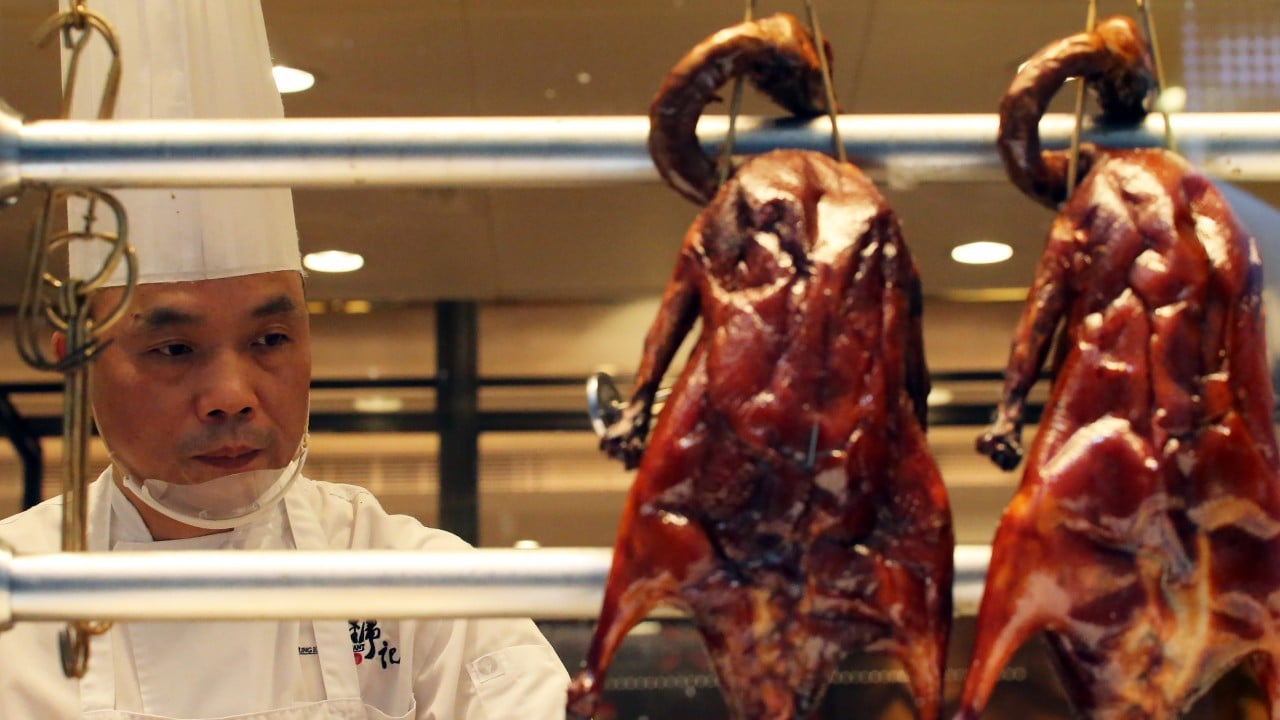
You can't just throw a new poultry import into a local food scene and expect instant culinary magic. Singapore just lifted its long-standing restrictions on Hainan goose, ending an era where roast goose lovers had to fly to Hong Kong just to get their fix. Local foodies are losing their minds, but let's be real for a second. Having the ingredient is entirely different from mastering the craft.
For decades, Singapore's ultra-strict biosecurity laws kept raw and chilled poultry from mainland China off local menus due to avian influenza worries. Cantonese restaurants pivoted to roast duck instead. Even legendary spots like Kam's Roast had to substitute duck when they opened their Singapore branches. Now that the floodgates are open for Hainan goose, the big question isn't logistics. It's whether local kitchen talent can actually touch Hong Kong's gold standard.
The Chemistry of Why Goose Beats Duck Every Time
Most people treat goose as a simple substitute for duck, which is a massive mistake. Goose behaves completely differently in a roasting pit.
Goose packs a much thicker layer of subcutaneous fat than duck. When you roast it properly, that fat renders down, basting the meat from the inside while turning the skin into a shattering, glass-like crispiness. Duck tends to be leaner and more forgiving, whereas cooking a goose requires absolute precision. If your heat is too low, you get a greasy, rubbery mess. If it's too high, the exterior burns before the thick layer of fat underneath has a chance to melt away.
Hong Kong's top roast masters spent generations refining hanging times, air-drying techniques, and custom marinade blends heavy on star anise, fermented bean curd, and five-spice. You don't replicate decades of institutional knowledge just because a customs restriction gets lifted.
Why Sourcing Hainan Goose Changes the Game Locally
Hainan Island produces some of the most sought-after poultry in southern China, prized for a natural sweetness and balanced fat distribution that mass-produced breeds just can't touch. Bringing this specific bird into Singapore gives local Cantonese chefs a raw material they haven't had legal access to in decades.
Singapore has no shortage of culinary talent. Hainanese chicken rice is a national religion here, proving that local chefs understand poultry dynamics better than almost anyone else on earth. But roast goose is an entirely different beast. The equipment needs to change. Hanging roasters, coal versus gas setups, and the specific humidity of Singapore's tropical climate all throw massive variables into the equation.
Kitchens accustomed to roasting lean ducks will burn through a lot of expensive Hainan geese before figuring out the precise temperature curves needed to render that fat layer properly.
Can Singapore Actually Match the Crown
Let's drop the polite food-writer optimism. In the short term? No. Hong Kong's roast goose institutions operate with a relentless muscle memory born from intense local competition and decades of specialization. If you walk into a top-tier goose shop in Causeway Bay, the cleaver work, the sauce dripping, and the exact timing of pulling the bird from the oven are executed with terrifying efficiency.
Singaporean chefs will catch up eventually, because the raw demand is massive. But expect a lot of mediocre, overpriced goose before the local scene finds its footing. If you want a masterclass in how this ingredient should taste, you still need to know which spots have spent the last six months prepping for this exact moment. Look for restaurants investing in proper high-temperature roasting pits rather than trying to adapt standard duck ovens.
The ban is gone, but the standards remain exceptionally high.