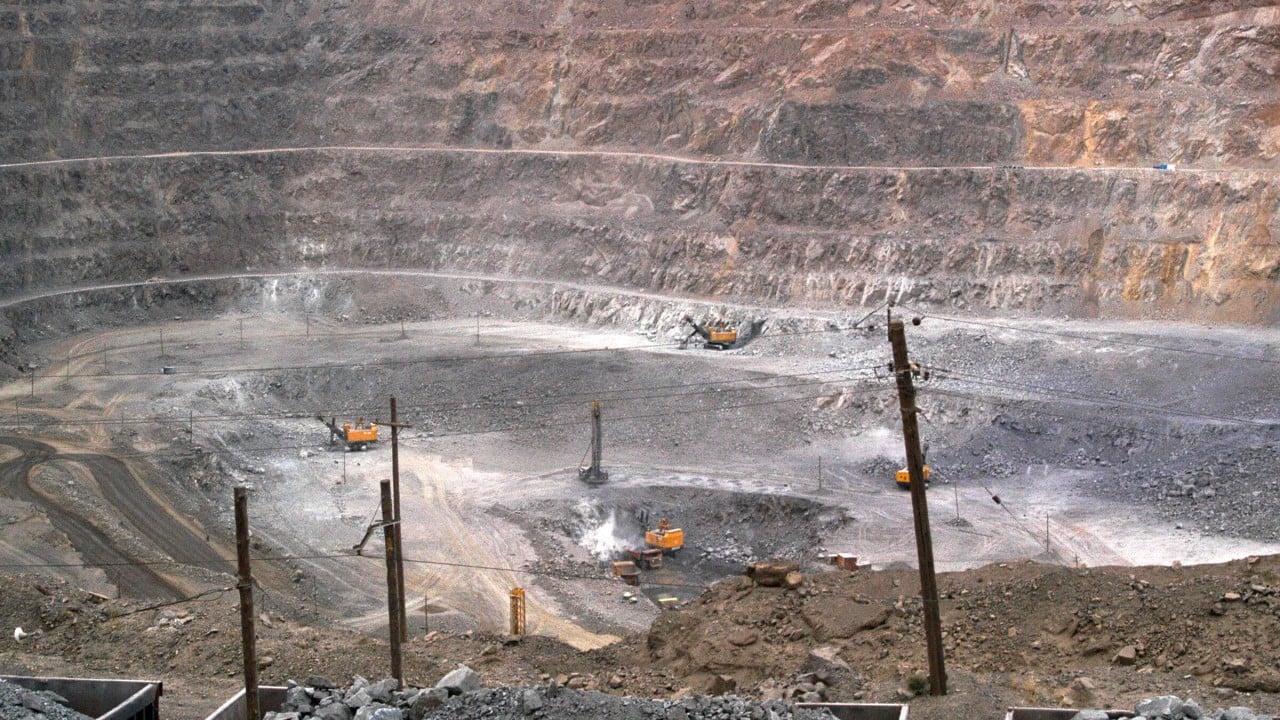
Trade truces between Washington and Beijing have a habit of looking solid right up until they hit a mineral wall. As leaders prepare for high-stakes meetings in Washington, a familiar bottleneck is threatening to derail negotiations. It is not soybeans, and it is not microchips this time. It is rare earths.
If you look past the diplomatic handshakes scheduled for September 2026, you will find a brutal fight over critical supply chains. The impending November 10 expiration of the current tariff suspension is forcing both sides into a corner. Beijing holds the processing cards. Washington holds the consumer market access. Neither side wants to blink first.
The Real Cost of Mineral Leverage
Let us be honest about why rare earths matter so much. Modern manufacturing runs on elements most people cannot pronounce, let alone source locally. China controls a staggering portion of global rare-earth refining capacity. When Beijing tightens export licensing or dangles new restrictions over critical minerals like gallium, germanium, and graphite, Western supply chains feel the shock instantly.
You cannot just spin up a massive separation facility in Ohio overnight. Building out domestic mineral processing takes years of capital investment, environmental permitting, and technical scaling.
Washington's trade officials have accused Beijing of manufactured uncertainty. They argue that weaponizing export controls right before a major summit undermines any goodwill built over the past year. But Beijing views these controls through a defensive lens. They see export restrictions as necessary insurance against sweeping Western sanctions and downstream hardware embargoes.
Deadlines That Cannot Be Negotiated Away
The political calendar is not doing anyone any favors. The November 10 deadline for the current trade truce is bad enough, but defense supply chains face an even sharper cliff.
Under DFARS 252.225-7052 rules taking effect on January 1, 2027, defense procurement restrictions tighten dramatically. Permanent magnets used in military hardware cannot rely on covered-country materials anywhere along the production chain, from mining to final magnetization. China is a covered country.
That means defense contractors are scrambling right now. They are looking for alternative channels that simply do not exist at scale yet.
What Washington and Beijing Actually Want
Beneath the public posturing, both administrations are playing a high-wire game of transactional survival.
Washington wants immediate, unrestricted access to heavy rare earths and critical minerals for its industrial base. At the same time, lawmakers are under immense pressure from domestic hawks who want tougher stances on human rights and industrial policy rather than quick economic deals.
Beijing wants predictability. Chinese executives facing scrutiny want a stable framework that protects their access to American technology and capital markets without exposing them to sudden tariff spikes. They want to avoid a repeat of the 2025 tariff shocks that battered export margins.
Where the Talks Go From Here
Expect plenty of friction right up to the wire. A short-term extension of the trade truce remains the most likely outcome, but it will likely come with bruised knuckles on both sides.
If you are watching global supply chains, do not expect a permanent fix. What we are witnessing is a permanent state of managed friction. Both superpowers are learning to live with structural vulnerability, trading short-term concessions for long-term positioning. The rare earths deadlock is not going away, no matter how many state dinners are served.