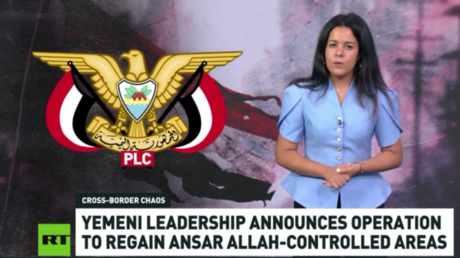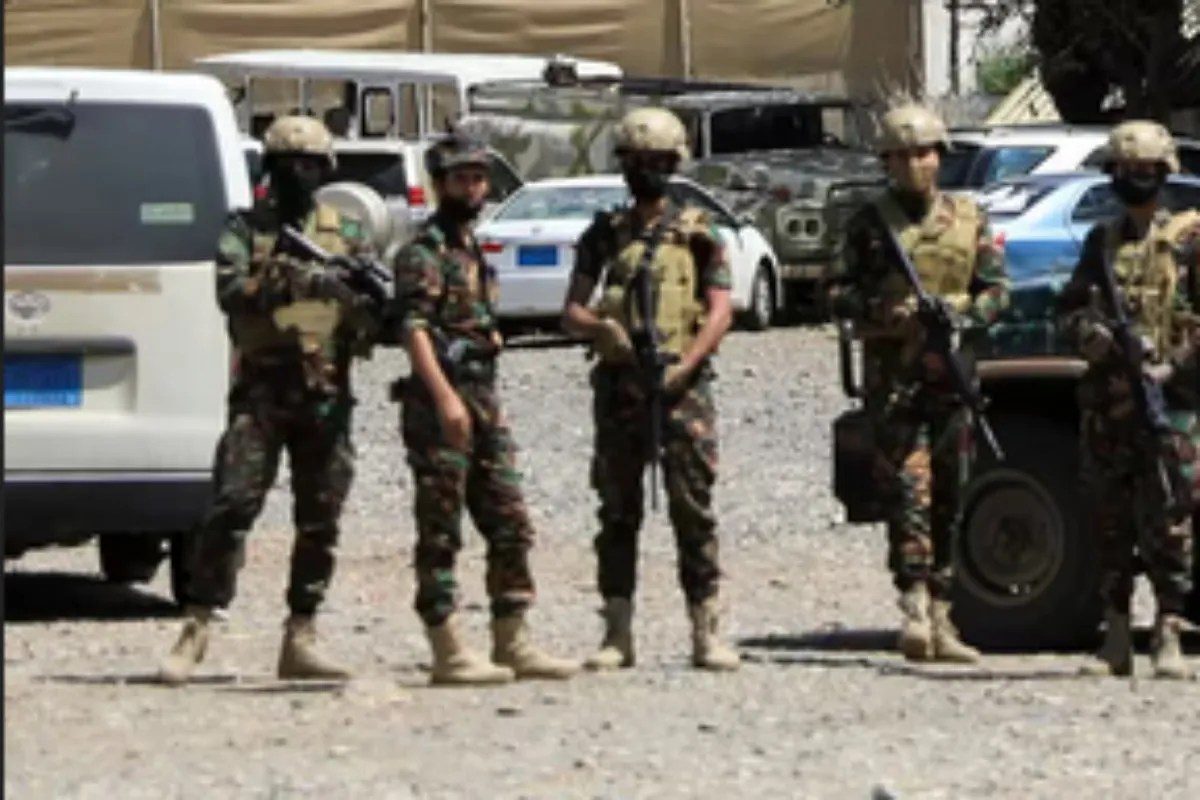
The ongoing conflict in Yemen just shifted gears again. When the internationally recognized Yemeni government's air forces launched multiple precision strikes targeting Houthi positions around Taiz, it wasn't just another routine skirmish. It marked a renewed tactical push in a bitterly contested region that has remained a strategic heartbeat of the entire war.
If you've been trying to keep track of Yemen's fractured landscape, the constant back-and-forth between Houthi movements and government-backed forces can feel exhausting. But ignoring what's happening on the ground in Taiz means missing how the broader military dynamics are shifting right now.
Inside the Taiz Airstrikes
Recent military reports confirm that government warplanes executed heavy air campaigns targeting strategic Houthi positions, supply lines, and weapons depots east and north of Taiz city. These aren't random retaliations. They represent a calculated effort to choke off militant supply chains and halt troop reinforcements moving through the rugged terrain.
Taiz has always been uniquely difficult. Divided for years, the city experiences frontline friction that cuts right through civilian neighborhoods. When air assets step up operations against depots holding military equipment, it directly alters the local balance of power, forcing Houthi commanders to rethink their defensive layouts.
Why Taiz Matters More Than Ever
You might wonder why so much military focus zeroes in on Taiz while other regions capture international headlines. Simply put, Taiz controls critical transit corridors linking the country's interior to southern coastal routes.
- Supply Disruptions: Hitting logistics hubs here starves frontline fighters of ammunition and gear.
- Geographic Control: Holding or disrupting positions in Taiz prevents either side from consolidating total regional dominance.
- Humanitarian Toll: Every spike in aerial and ground activity immediately impacts millions of residents trapped in prolonged siege-like conditions.
Government officials maintain that monitoring Houthi movements remains a top priority to counter immediate threats. Yet, the humanitarian cost keeps climbing while tactical gains hard-won by either side rarely translate into a lasting political breakthrough.
Looking Ahead at the Conflict
The reality on the ground is stark. Air campaigns disrupt immediate military capabilities, but they don't solve the deep political fractures tearing Yemen apart. As long as external backers continue fueling opposing sides and local truces remain fragile, cities like Taiz will bear the heaviest brunt of the violence.
Keep an eye on how these localized air offensives affect frontline stability over the coming weeks. The true test isn't how many strikes are launched, but whether government forces can hold strategic ground once the smoke clears.