A ballistic missile tore through the top three floors of an office tower at Saudi Aramco's core headquarters complex in Dhahran, triggering a fire that rattled global markets. When energy infrastructure takes a direct hit, the ripple effects hit international supply chains immediately. Yemen's Houthi rebels claimed responsibility for the strike, marking a sharp escalation in regional warfare that directly threatens the heart of global petroleum supply.
If you think energy markets are immune to localized Middle Eastern conflicts, look at the timeline. The attack on the Saudi Aramco administrative building didn't happen in a vacuum. It follows a renewed round of fighting between Saudi forces and the Iran-backed Houthi movement, fueled by renewed ground clashes near Yemen's critical Bab el-Mandeb Strait. Don't forget to check out our earlier coverage on this related article.
What Actually Happened in Dhahran
The strike hit deep inside eastern Saudi Arabia. According to reports from the Saudi Energy Ministry and Reuters sources on the ground, a missile impacted an office tower within the sprawling Dhahran headquarters compound.
- The top three floors of the administrative tower sustained visible structural damage.
- A localized fire broke out, though emergency response teams brought it under control quickly.
- Saudi authorities confirmed zero casualties inside the complex, averting a human tragedy.
- Shrapnel from intercepted projectiles in the wider area fell into nearby residential sectors, keeping local threat levels at maximum.
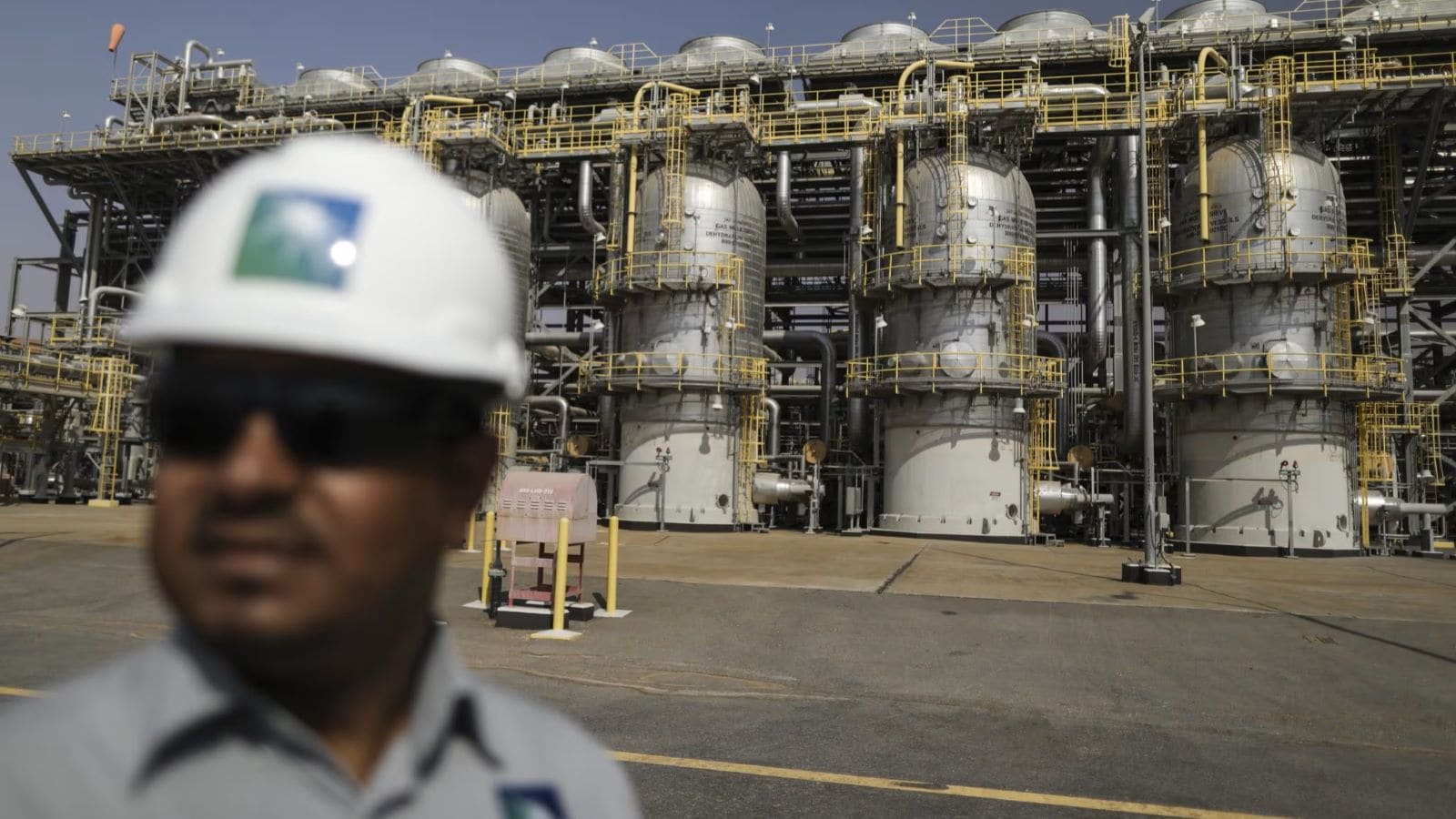
This facility isn't just a standard office park. The Dhahran complex functions as the nerve center for Saudi Aramco's massive operations. From this exact hub, engineers and executives manage offshore and onshore drilling networks, massive pipeline grids, domestic refineries, and export terminals that feed tankers worldwide. Hitting this specific nerve center sends an unmistakable psychological and strategic message. If you want more about the history of this, TIME offers an excellent breakdown.
Why Houthi Tactics Are Shifting
The Houthis warned oil workers and civilians to steer clear of major Saudi energy installations days before the strike. They framed the offensive as retaliation for Saudi-led coalition air raids targeting fuel depots and oil facilities around Yemen's capital, Sanaa.
This tit-for-tat escalation breaks a relative lull that markets had grown comfortable with. Over recent months, diplomatic channels had lowered the temperature. Now, the return of ballistic missiles and explosive drones over cities like Riyadh and Dhahran proves that stability in the region remains fragile.
You're watching a classic security dilemma unfold in real time. Saudi Arabia renewed its military posture to counter Houthi advances threatening vital Red Sea shipping lanes. In response, the Houthis expanded their target list, moving beyond border posts straight into the commercial arteries of the world's largest oil exporter.
Global Market Fallout and Security Realities
Traders and energy analysts hate uncertainty. Even when physical damage is contained—as it was with this limited fire in Dhahran—the risk premium on crude oil adjusts instantly.
Regional diplomacy is scrambling to catch up. Iran offered to mediate between Riyadh and the Houthis, attempting to cool down a theater where Tehran maintains deep ties to the insurgent group. Meanwhile, international partners like Turkey's leadership have stepped up high-level calls with Saudi Crown Prince Mohammed bin Salman, offering firm backing against ongoing drone and missile barrages.
Yet, diplomacy takes time while ballistic missiles move in minutes. Protecting sprawling industrial footprints against asymmetric drone and missile threats remains an expensive, near-impossible task for defense systems. Every successful interception or breach reminds energy planners that absolute security is an illusion.
Keep a close eye on shipping insurance rates, Red Sea transit updates, and subsequent coalition responses over the coming weeks. This flashpoint isn't cooling down anytime soon.