Pulling a cockpit voice recorder off the Atlantic floor south of Nantucket doesn't solve a fatal crash overnight, yet it changes everything about how investigators piece together the final minutes of Latitude Air Ambulance Flight Heartbeat 104.
Nova Scotia RCMP announced on November 25, 2026, that the cockpit voice recorder from the downed Ontario-based Gulfstream G100 jet has been recovered from the ocean floor, backing up earlier November updates from the Transportation Safety Board of Canada (TSB). All six people aboard—four Canadian crew members from southern Ontario and two passengers from Bermuda—are presumed dead after the October 3, 2026, flight from St. George, Bermuda, to Boston ran into electrical trouble, entered a rapid descent, and vanished from air traffic control radar off Nantucket. You might also find this related story interesting: Why The Macy’s Thanksgiving Day Parade Postponement Changes Everything We Thought We Knew About Tradition.
Most quick-hit news reports treat this recovery as a simple box-checked milestone. Honestly, that misses why underwater salvage in these cases is so brutal, why voice audio and flight data tell different halves of a story, and why electrical emergencies over open water demand serious scrutiny.
What the Cockpit Voice Recorder Recovery Actually Means
When a twin-engine Gulfstream G100 (registered as C-GRJP and operating as Heartbeat 104) goes down over coastal waters, radar blips and radio transcripts only get you so far. Once contact is lost south of Nantucket, investigators are left with fragments—unless dive teams and sonar operators can bring hardware back to the surface. As extensively documented in detailed articles by Al Jazeera, the effects are worth noting.
A cockpit voice recorder captures crew talk, radio calls, warning tones, and background mechanical sounds right before an event. In an electrical emergency, audio matters even more than usual. If buses trip offline, displays flicker, or avionics drop out, what the pilots hear and say out loud can reveal whether a warning chime sounded, how checklists were run, or whether stress and workload spiked in the final seconds.
Still, I wouldn't jump to conclusions before the lab work is done. Pulling the unit from saltwater is step one; drying, cleaning, and reading memory modules at the TSB Engineering Laboratory in Ottawa takes careful engineering work, and investigators still haven't published findings on what caused the crash.
Why Ocean Recovery Off Nantucket Is So Tough
People hear "20 miles south of Nantucket" and picture an easy boat ride. Out on the water, it's rarely that tidy.
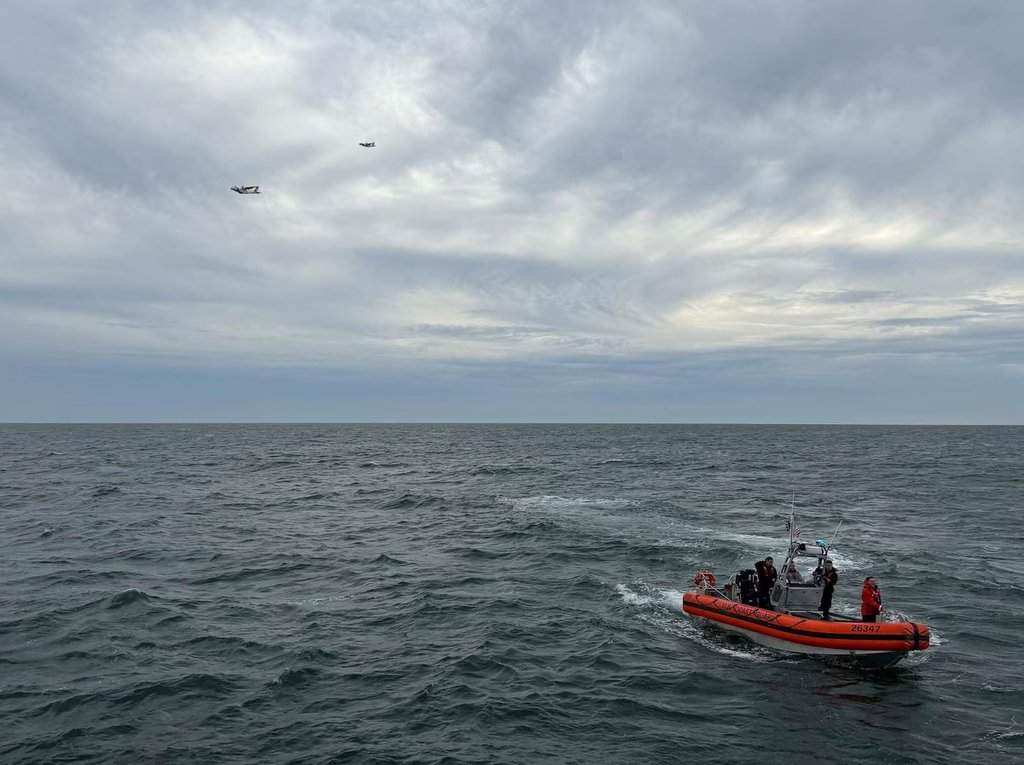
Salvage teams working the site had to contend with shifting currents, tight visibility, and seabed conditions that make locating and rigging wreckage slow going, even in relatively shallow water around 80 feet deep. Acoustic sonar helps narrow down targets, and specialized divers or underwater teams do the delicate work of securing pieces without crushing fragile components. Coordination across borders—involving the TSB, Nova Scotia RCMP underwater recovery personnel, the Canadian Coast Guard, and U.S. authorities—is part of why updates have rolled out in stages across October and November.
How Electrical Emergencies Escalate in Flight
Reports around the October 3 crash point to the crew flagging electrical difficulties before the aircraft descended rapidly and dropped off communication. From a practical aviation standpoint, electrical faults are tricky because electricity powers almost everything modern pilots rely on at once.
When an electrical problem hits an aircraft, the immediate risks aren't just "the lights go out." Critical flight instruments, navigation radios, fuel pumps, pressurization controls, or autopilot systems can behave unpredictably or lose power depending on how buses are isolated and restored.
Here's a mistake people outside aviation often make: assuming a single electrical warning automatically means catastrophic failure. Many transport jets have redundant generators and batteries built specifically to handle faults. The real danger happens when a fault cascades, masks another problem, or forces pilots to troubleshoot under high workload while flying toward a busy terminal area like Boston.
What Investigators Look for Next
Once the recorder and recovered upper cockpit section are examined in Ottawa, TSB specialists will compare what was heard inside the cabin against radar tracks, maintenance logs, weather data, and any other flight data recovered from the jet.
Investigators won't stop at the immediate mechanical trigger. They also look at broader operational factors—such as dispatch and crew scheduling, fatigue, safety management systems, and cross-border medical evacuation operations—especially given that the Transportation Safety Board of Canada has long highlighted safety management and oversight as recurring themes in its watchlists.
A full investigation into a fatal crash with six lives lost—the four Latitude Air Ambulance crew members from southern Ontario alongside 66-year-old Marilyn Lavonne Bean and her 41-year-old son Sergio Wayne Lottimore from Bermuda—typically takes months or even up to two years to reach final public findings. Patience is tough when families and coworkers are grieving, yet rushing a technical probe only creates bad answers.
Common Misconceptions About Black Box Investigations
Let's clear up a few myths that always pop up after a high-profile crash:
- "Black boxes" are actually black. They're usually bright orange or high-visibility red so crews can spot them in wreckage or mud.
- Recovery means instant answers. Extracting corrupted or water-exposed audio takes lab time, and voice recordings often need cross-checking against flight parameters before analysts know what a sound or phrase really meant.
- One recovered recorder finishes the physical search. Investigators routinely look at multiple sources of evidence—other recorders, airframe sections, maintenance records, and air traffic data—because one piece rarely tells the whole story on its own.
Practical Steps If You're Following the Probe or Flying Medevac
If you're tracking this case as a family member, aviation professional, or concerned reader, rely on primary safety agencies rather than social media speculation. Check the official TSB investigation page for occurrence A26F0321 for verified factual updates as lab analysis moves forward.
If you work in aviation operations or medical transport, treat electrical anomaly drills and rapid-descent or loss-of-comms scenarios as non-negotiable training items—not routine simulator checkboxes. Review your company's safety reporting culture and fatigue safeguards now, while lessons from past occurrences are fresh, rather than waiting for an investigation report to land years later.