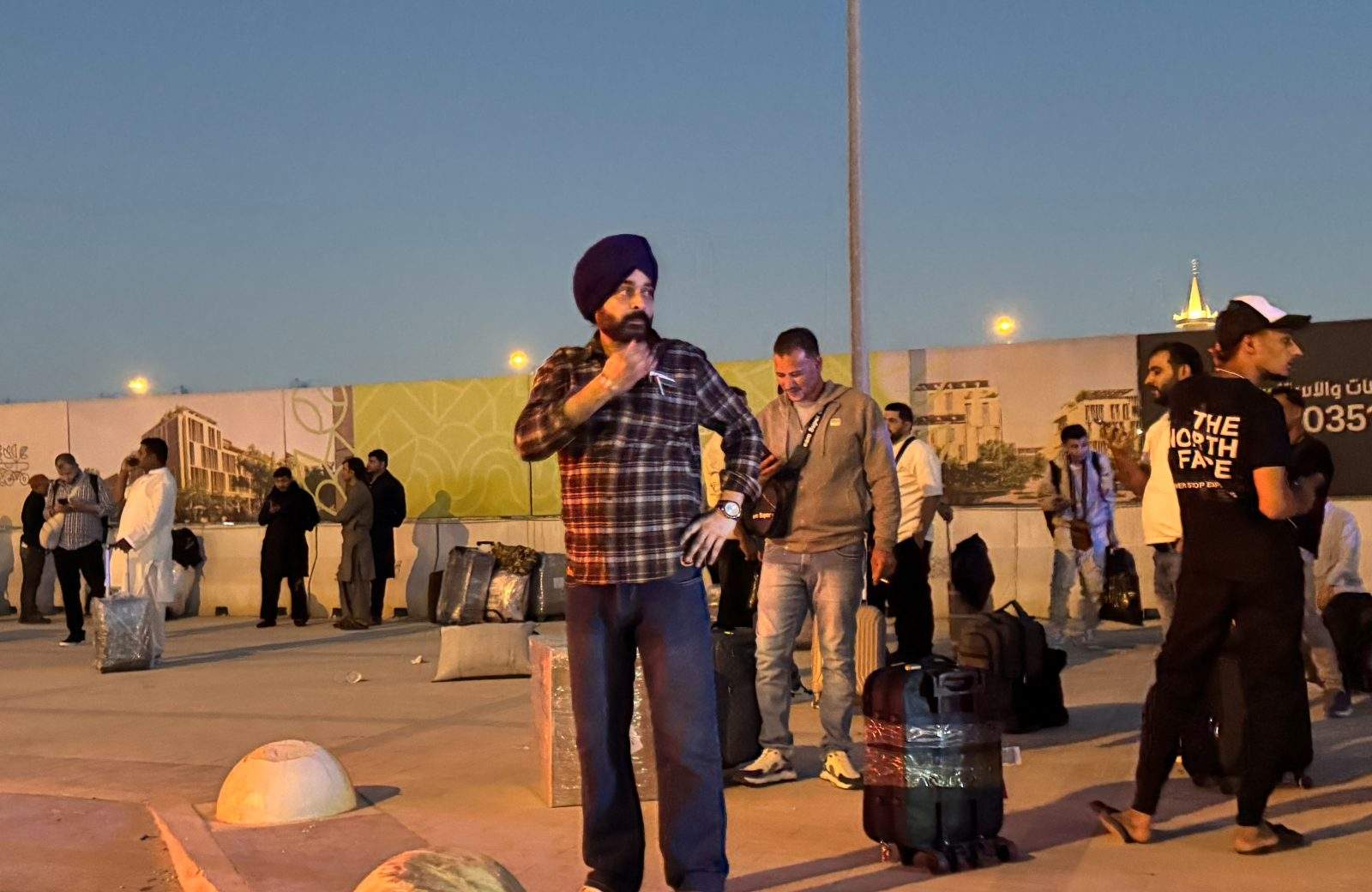
Another projectile hit the passenger terminal at King Khalid International Airport in Riyadh. This comes barely twenty-four hours after a devastating missile strike on the same facility killed 12 people and wounded roughly 300 others. The escalation is moving fast.
Saudi authorities confirmed injuries in this latest assault on the domestic terminals, while the airport remains entirely shut down. The Iran-backed Houthi rebels in Yemen have claimed responsibility for the barrage, turning commercial aviation hubs into active frontlines.
Why This Escalation Changes Everything
For years, regional conflicts maintained a certain predictable rhythm. Missiles flew toward military outposts or remote oil installations, while major commercial capitals tried to insulate themselves behind economic diversification and tourism campaigns. That illusion is gone.
When a passenger terminal gets hit twice in two days, civilian spaces are no longer safe. Saturday's strike stands as the deadliest attack inside a Gulf Arab nation since the wider war with Iran intensified. It killed people from all over the world—including citizens from Saudi Arabia, Bangladesh, Palestine, the United States, Egypt, Jordan, Syria, and Sudan.
The Houthi leadership isn't hiding its intent. They've issued stark warnings telling all airlines, crews, and travelers to stay away from Saudi airspace entirely. Several international carriers have already suspended flights. If you're planning a trip through the region right now, you're looking at severe disruptions.
The Regional Ripple Effect
The timing couldn't be worse for Riyadh. The kingdom was hosting a major international energy conference just as the sirens began to wail. Crown Prince Mohammed bin Salman has poured billions into transforming Saudi Arabia into a global business and tourism magnet.
Saudi Energy Minister Prince Abdulaziz bin Salman Al Saud pushed back publicly, telling conference attendees that the kingdom comes out of the ashes like a phoenix. Yet the economic reality is harsh. Critical infrastructure is taking direct hits. The Houthis also claimed strikes on oil and gas facilities in the country's east and an attack on King Fahd International Airport in Dammam near the Persian Gulf.
Beyond aviation, global oil supplies and commercial shipping lanes are back on the chopping block. The Bab el-Mandeb Strait at the southern end of the Red Sea has become a primary flashpoint. If the United States jumps directly into the military campaign—something President Donald Trump has signaled he is weighing—the rebels could choke off maritime traffic through these critical waterways completely.
What Happens Next
Saudi air defense capabilities are under immense strain. Regional reports indicate the kingdom has been quietly asking allies like France, Britain, Pakistan, and Egypt for air defense support because interceptor stocks are running low. Meanwhile, Washington's own military reserves aren't limitless.
Analysts point out a dangerous paradox. Ahmed Nagi from the International Crisis Group notes that hitting critical infrastructure might actually stiffen Riyadh's resolve rather than force a retreat. Instead of stopping the coalition's air campaign in Yemen, these attacks are likely to trigger an even harder counter-offensive around the Red Sea corridors.
Commercial aviation in the Middle East has entered a brutal new phase. The fallout from these strikes will dictate security protocols, insurance rates, and flight paths for months to come.