Flames don't stop at the tree line. When the Walwa-River Road bushfire scorched roughly 121,000 hectares across the Victorian High Country, the true scale of the devastation went far beyond charred eucalyptus trunks and blackened earth. Beneath the surface of mountain streams, an invisible crisis unfolded. Heavy ash, sediment, and debris washed into fragile waterways, threatening to suffocate everything living in the water.
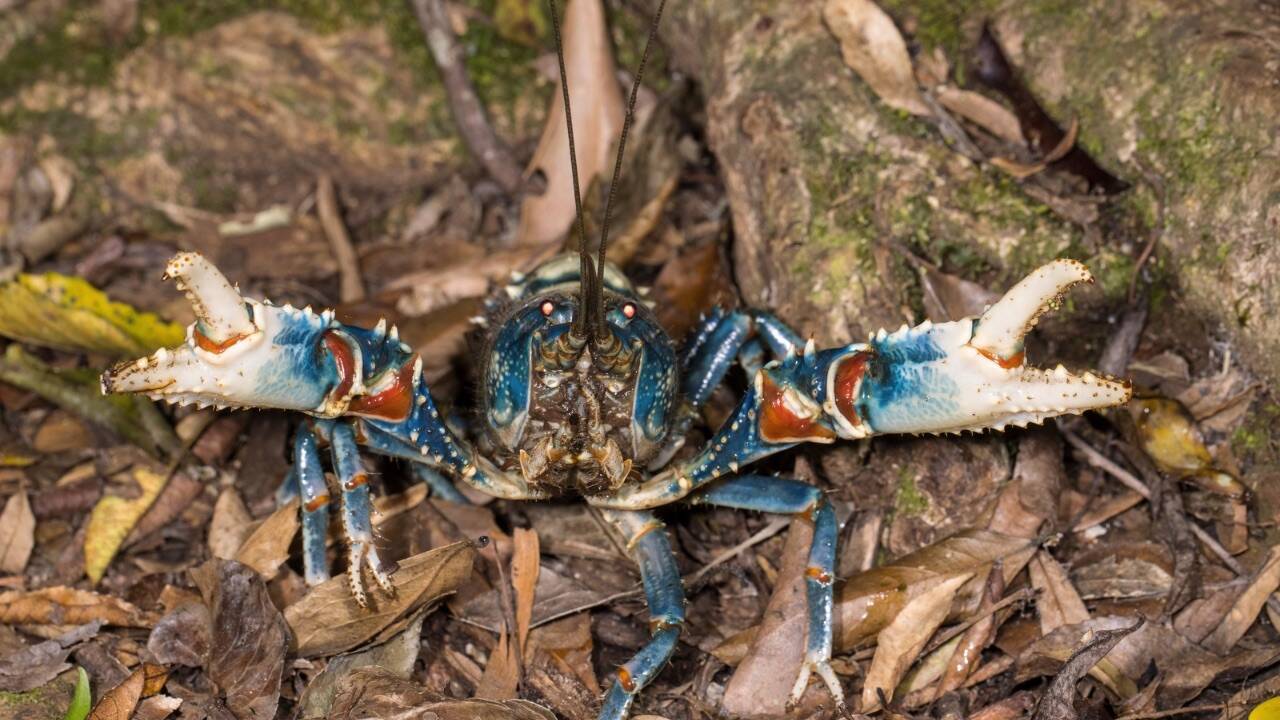
Among the most vulnerable residents was the alpine spiny crayfish. In January, researchers from the Arthur Rylah Institute made an urgent field trip to a creek near Lucyvale. Their mission was simple and desperate: scoop up as many survivors as possible before ash-choked water wiped out the local population. They managed to rescue exactly 11 specimens.
Months later, those eleven feisty survivors are heading back to their home waters. But the journey from an ash-filled stream to a state-run hatchery and back again reveals just how complex emergency wildlife conservation has become in an era of worsening natural disasters.
The Hatchery Challenge Nobody Expected
Getting the crayfish out of the creek was only the first hurdle. Transporting them to the Snobs Creek conservation hatchery, operated by the Victorian Fisheries Authority near Eildon, put the animals in unfamiliar territory. Nobody had ever brought alpine spiny crayfish into captivity before. Researchers had zero prior blueprints for housing, feeding, or keeping them alive in an artificial environment.
Staff quickly discovered a major behavioral quirk. These crayfish are fiercely territorial and genuinely aggressive toward one another. If left in a communal tank, they immediately start fighting.
Dylan White, a senior conservation hatchery officer at Snobs Creek, noted that the team had to completely rethink their housing arrangements. To keep the precious eleven alive while waiting for the creek's water quality to stabilize, handlers had to isolate every single crayfish in its own separate setup. Caring for wild-caught endangered crustaceans turned out to require micro-management at an individual level.
Why Freshwater Species Get Left Behind
When people talk about bushfire recovery, mammals and birds usually steal the spotlight. Koalas clinging to charred branches or kangaroos bounding away from walls of fire dominate news coverage. Freshwater species like native fish and rare crayfish rarely make prime-time broadcasts until they are already on the brink of absolute extinction.
Yet Australia's freshwater ecosystems face massive pressure from climate shifts and intense seasonal fires. When silt and ash run off into mountain creeks, dissolved oxygen levels plummet. For animals that depend on crisp, clean, highly oxygenated alpine currents, the change is lethal.
The Arthur Rylah Institute team stepped in because the alpine spiny crayfish has an extremely limited geographic distribution. If a single localized population gets wiped out by a wildfire aftermath event, natural recolonization might never happen. Protecting these eleven individuals wasn't a symbolic gesture. It was a vital defensive play to preserve the species' genetic diversity.
Building a Safety Net for Victoria's Waterways
The Snobs Creek hatchery is quietly turning into an emergency ward for Australia's aquatic wildlife. Aside from hosting the alpine spiny crayfish, facility staff spent recent seasons caring for Macquarie perch and trout cod pulled from Seven Creek after the Longwood bushfire. Over a hundred of those native fish have already graduated from the hatchery and returned to the wild.
Conservationists hope that experiences like this will help establish formal captive breeding protocols for invertebrates that slip through standard conservation cracks. Monitoring the creeks where these eleven crayfish originated will continue for months as the Victorian High Country slowly greens over.
Wildfires will keep testing local ecosystems, but keeping specialized hatcheries ready to shelter sudden refugees gives vulnerable river life a fighting chance.