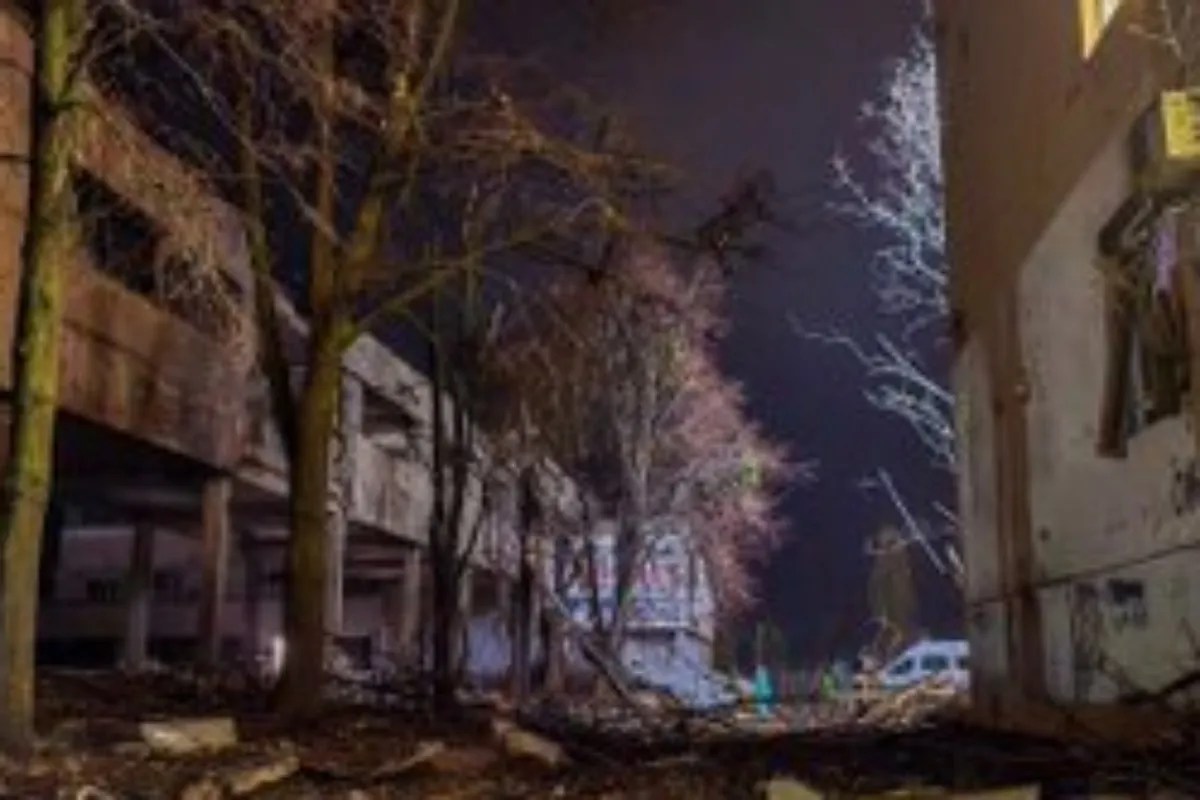
Winter in Eastern Europe isn't just a season. It’s a weapon. As temperatures drop, heating grids and power stations transform from everyday public utilities into frontline military targets.
Recent massive aerial bombardments across Ukraine prove that Moscow's strategy remains clear and brutal. By hitting power grids, substations, and critical energy infrastructure, the objective goes beyond tactical military disruption. The goal is breaking civilian resilience before the frost sets in.
President Volodymyr Zelenskyy reported that a single night barrage involved hundreds of attack drones alongside ballistic and cruise missiles. Power facilities across Odesa, Cherkasy, Zhytomyr, Vinnytsia, Kharkiv, Dnipro, Chernivtsi, Chernihiv, and Rivne felt the impact. Entire communities face emergency shutdowns and unannounced blackouts, plunging hospitals, schools, and homes into darkness.
The Strategy Behind Grid Strikes
Why focus heavily on energy systems instead of traditional military targets? Modern warfare relies on centralized power distribution. Knock out regional substations, and you paralyze water supply pumps, electric public transit, heating systems, and communications networks simultaneously.
When power fails, everyday life grinds to a halt. Hospitals must rely on backup generators that face constant fuel shortages. Civilians face freezing apartments.
Military analysts note that these coordinated campaigns are timed deliberately. Launching massive strikes during sensitive political windows—such as major elections abroad—sends an intentional geopolitical message. Moscow aims to signal global powers that escalation will continue unchecked, regardless of diplomatic pressure.
Civilian Toll and Humanitarian Crises
Infrastructure damage tells only half the story. The human cost of these large-scale operations continues to mount.
In Kharkiv, a direct strike damaged a medical facility housing a cardiology department, injuring dozens of patients and medical staff. Meanwhile, rescue operations in areas like Zaporizhzhia Oblast highlight the devastating loss of civilian lives following heavy bombardments.
First responders face severe operational dangers. Russian forces frequently employ dual-strike tactics—known as double-tap strikes—where a second missile hits the exact same location minutes after emergency crews arrive. This calculated brutality makes rescue work a matter of survival for firefighters and paramedics.
Surviving the Cold Dark
Ukraine's energy workers have developed extraordinary crisis response techniques over years of continuous conflict. Repair crews mobilize within minutes of an all-clear signal, patching transformers and rerouting power lines under freezing conditions.
Yet, resilience alone cannot replace heavy air defense systems. Ukrainian leadership continues to press international allies for advanced interceptor missiles and diplomatic backing. Without robust air shields protecting generation plants, grid repairs remain a temporary fix against repeating cycles of destruction.
The coming months will test whether industrial capacity and international aid can keep pace with systemic targeting. Winter is coming, and the lights across Eastern Europe flicker on borrowed time.