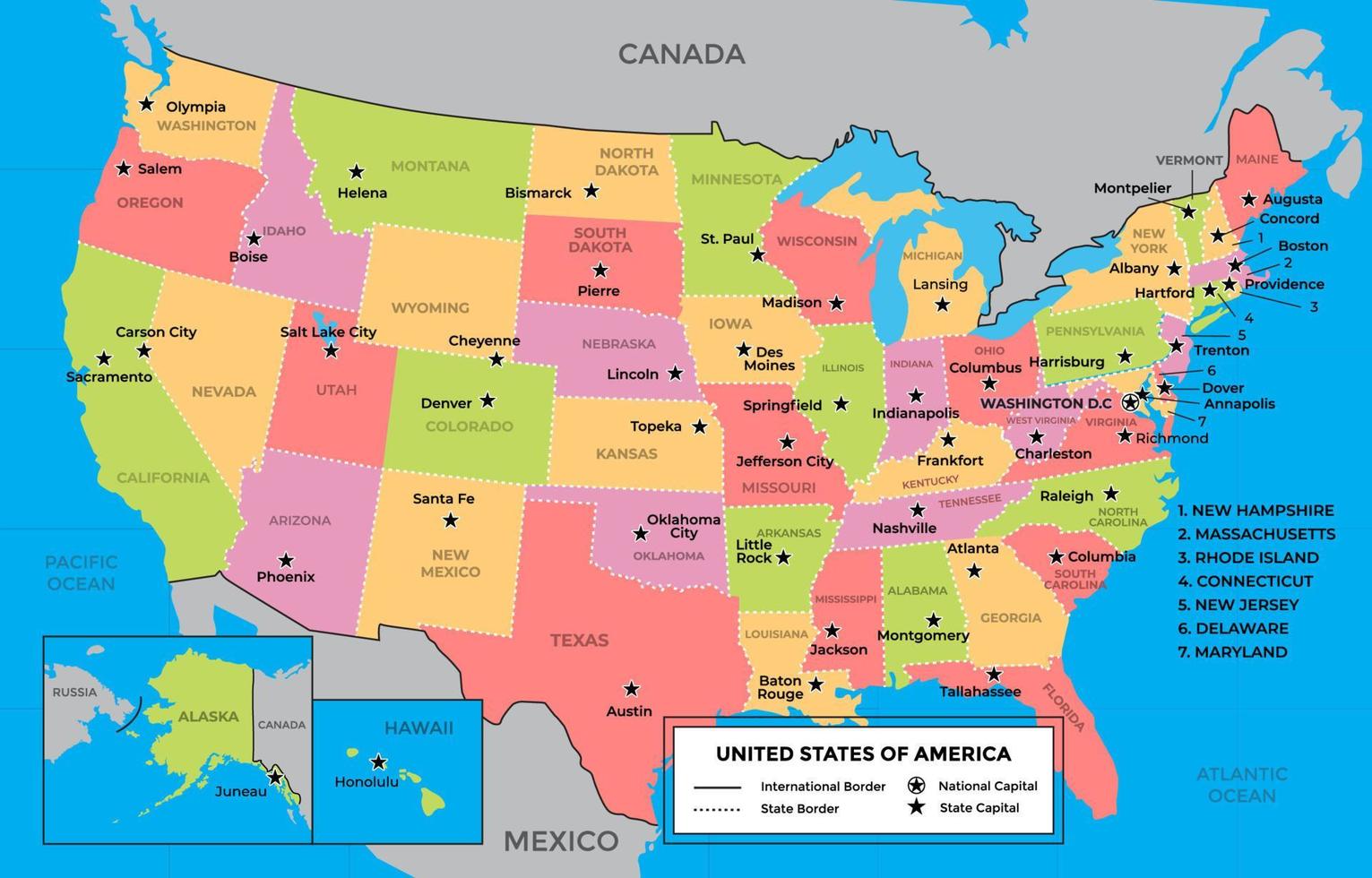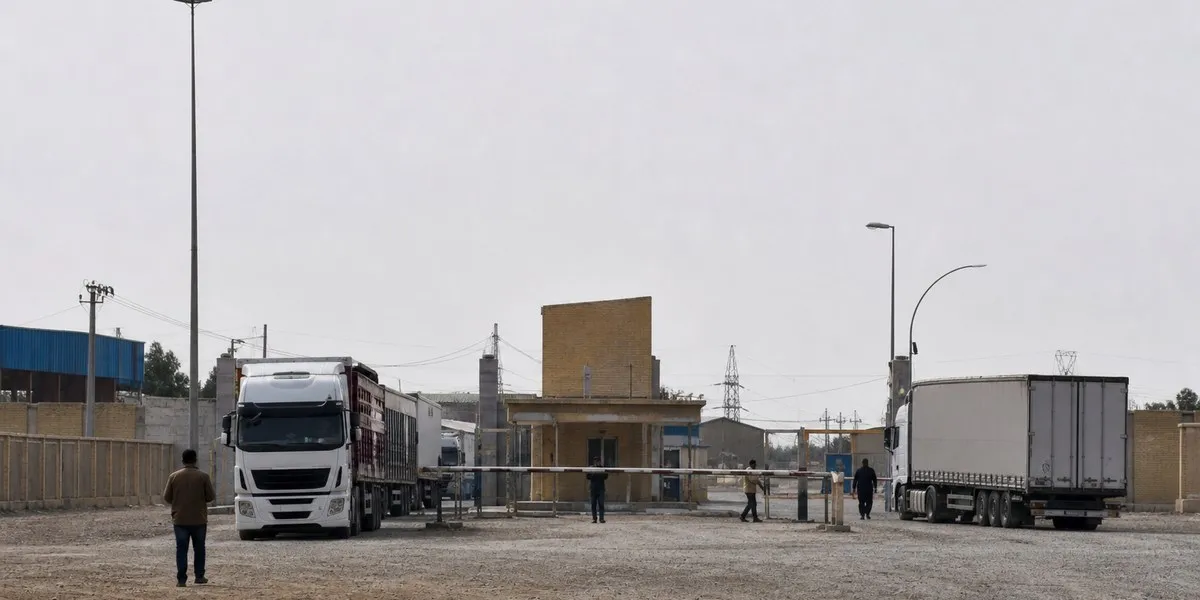
For the first time since the 2022 US ban on Russian oil imports, a tanker carrying Russian fuel is moving toward American shores. The Malta-flagged vessel Agioi Fanendes loaded roughly 40,000 metric tons of ultra-low sulfur diesel at the Russian Baltic port of Primorsk, pointing its bow straight toward New York. It sounds impossible given the web of sanctions, yet it's happening.
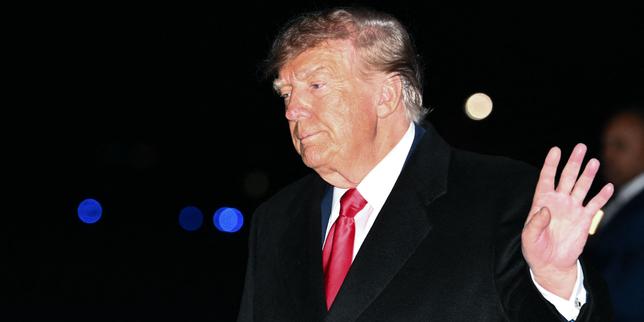
The shipment is the direct result of a surprise diplomatic arrangement struck between Washington and Moscow. President Donald Trump moved to waive portions of tough new US sanctions on Russia, while Vladimir Putin agreed to lift a self-imposed export ban that had choked off diesel shipments.
If you're wondering how this deal came together so quickly, look at the calendar. Rising pump prices can destroy political careers overnight, and US midterm elections are right around the corner. Bringing cheap energy back into the domestic supply chain isn't just about geopolitics—it's about domestic survival.
What Led to the First Tanker to New York
The timeline of this shift exposes how fragile global energy markets remain. Back when the US banned Russian energy imports in 2022, followed by Europe's comprehensive embargo in early 2023, Moscow redirected its refined products toward Brazil, Turkey, and various African nations.
Domestically, Russia ran into its own roadblocks. Ukrainian drone strikes on Russian refineries disrupted key processing units, prompting Moscow to slap a strict, self-imposed ban on domestic diesel exports to protect local fuel supplies and prevent hyper-inflation at home.
Then came the backroom talks. Under the new arrangement, Russia agreed to release more than 300,000 metric tons of diesel immediately to global markets, with plans for 500,000 tons in November and a million tons shortly after. In exchange, the US Treasury issued explicit exemptions through OFAC, letting the fuel slip past existing legal barriers.
Why Domestic Pump Prices Forced Washington's Hand
Politicians hate expensive fuel. When diesel and gasoline prices creep up, transportation costs spike across every sector, driving up the price of groceries, clothing, and manufactured goods. Voters feel the pain every single time they fill up their tanks.
Administrations will bend almost any rule to keep consumers from revolting at the pump before an election. Trump's deal wasn't born out of a sudden desire to normalize trade ties with the Kremlin. It was a calculated bet that lowering fuel costs for American drivers outweighs the diplomatic fallout of easing energy restrictions.
To pressure reluctant allies, Washington reportedly threatened European nations with a US diesel export ban unless they released more fuel from their own emergency reserves. That kind of hardball tactic shows just how desperate things got behind closed doors.
The Immediate Global and Political Fallout
The reaction has been swift and loud. Ukrainian officials openly condemned the move, arguing that any relaxation of sanctions hands Moscow a financial lifeline while the war grinds on. Domestic critics in the US Congress are equally furious, questioning how a policy designed to punish foreign aggression was dismantled so easily over fuel prices.
Meanwhile, shipping data tells a nuanced story. While tracking systems initially registered New York as the destination for the Agioi Fanendes, some data feeds later shifted the vessel's status to "for orders." This maneuver gives buyers room to maneuver as market conditions shift and political pressure mounts.
Kremlin officials have confirmed that multiple shipments are scheduled to follow. Deputy Prime Minister Alexander Novak noted that Russian exports could climb back toward three million tons a month by the end of the year, provided industrial repair work on damaged refineries stays on track.
What Comes Next for Global Energy Routes
Sanctions have always leaked when prices climb too high, and this tanker proves the point. As energy flows adjust to political compromises, expect more volatility in international shipping lanes.
If you're tracking energy markets, keep an eye on US refinery margins and upcoming inventory reports. The return of Russian diesel to North American ports changes the math for regional fuel traders, even if the long-term legal framework remains messy. Watch how European capitals respond to Washington's heavy-handed pressure tactics over emergency reserves, because that friction is only going to grow.