The video is terrifying. A 10-year-old boy, Nathaniel Rai, gets swept off his feet in shallow water. Within seconds, he’s being pummeled by 10-foot waves off the coast of Santa Cruz. Then, 16-year-old lifeguard Ryder Williams sprints into the surf. He doesn't hesitate. He doesn't wait for backup. He just goes.
Most people only saw the viral clip. They saw the dramatic moment when both boys disappeared under the churning water before emerging, battered but alive. But there’s more to this story than a viral hit. The rescue of Nathaniel Rai has sparked a real-world debate about what it actually means to be a first responder in 2026.
The truth about lifeguard training
When reporters asked Ryder Williams how he handled the pressure, his answer was simple. "We always try to fall back on our training," he said.
That’s the key. Lifeguards aren't just kids sitting in tall chairs with whistles. They are highly conditioned athletes who study ocean dynamics and medical protocols. Williams had to throw his radio and sunglasses aside just to get to the boy. He couldn't even use his rescue tube because the waves were too aggressive and the victim had gone limp. He had to physically haul the boy while his own arms were screaming for relief.
If you think lifeguarding is just about watching the water, you’re wrong. It’s about being ready to perform an impossible physical task while the ocean tries to throw you against the sand.
The first responder debate
There’s a major legislative push in California to officially label lifeguards as first responders. It’s about time. Right now, they often lack the same benefits, worker protections, and federal resources as police or firefighters.
Senator John Laird and other lawmakers are wrestling with the logistics. If you grant this status, what kind of training standards do you mandate? Does it require eight months of peace officer training? Who pays for the certifications?
It’s easy to call someone a hero. It’s much harder to change state law to match the reality of their job. Williams wants to be a firefighter, and this experience is just the start of his path. If he’s going to risk his life for the public, the system should treat his role with the weight it deserves.
Lessons from the rescue
Watching the footage, it’s easy to focus on the adrenaline. But if you’re a parent or a swimmer, take away these practical lessons:
- Respect the surf. Nathaniel Rai was in ankle-deep water when he was swept away. The ocean doesn't need to be deep to be deadly.
- Support professional training. Lifeguards save lives because they drill. If your local beach is understaffed or undertrained, that’s a problem that affects everyone.
- Stay calm. One of the most remarkable things about this story is how cool Nathaniel stayed, even after he went limp in the water. Panic is a killer in the ocean.
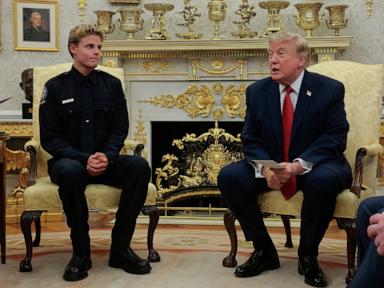
President Trump recently invited Williams and Rai to the White House, calling them both heroes. It’s a nice sentiment, and seeing them in the Oval Office brings a bit of closure to a scary event. But the real work is happening back on the beach.
The next time you see a lifeguard stand, don't just walk past. They’re doing work that most people wouldn't dream of touching. If you want to help, advocate for your local lifeguard services to get the funding and official recognition they need. They aren't just watching the water; they’re the only thing standing between a fun day at the beach and a tragedy.
Stop underestimating the people who keep the shore safe. They’re doing the heavy lifting you don't want to do.
Teen lifeguard honored at White House
This video provides a look at the White House meeting where the lifeguard and the boy he rescued were officially recognized for their bravery.