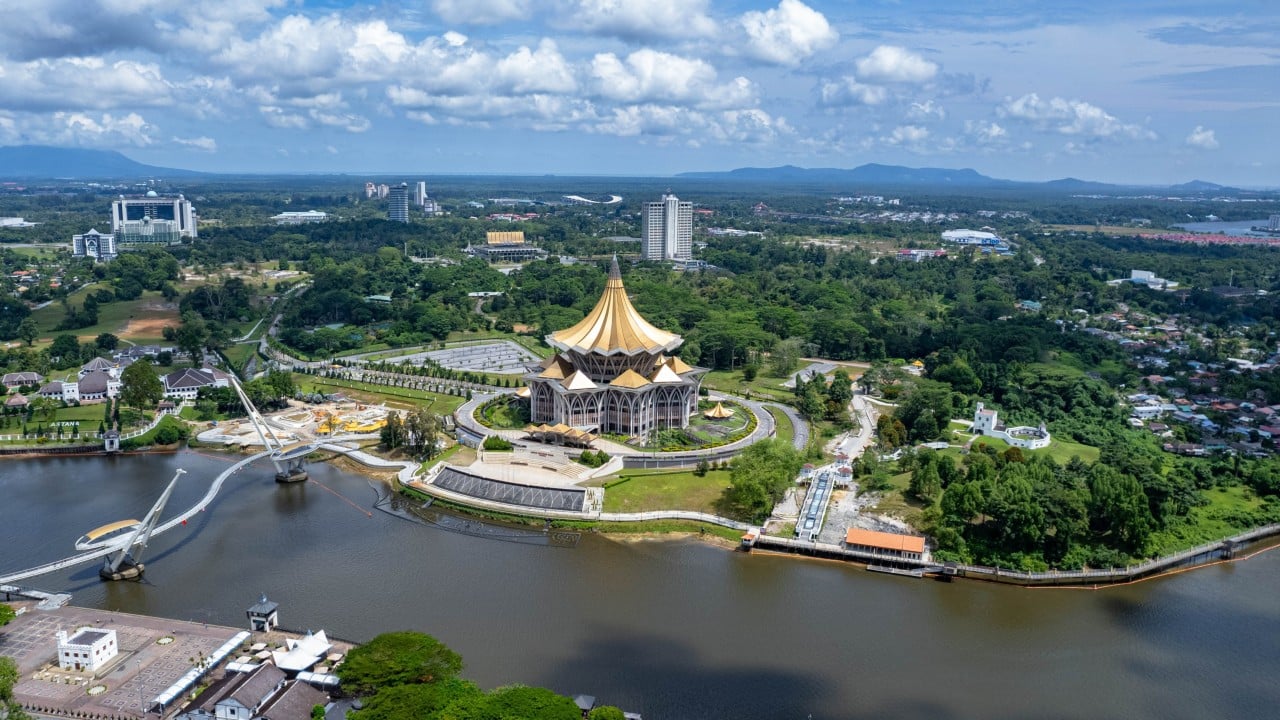
Elections in Malaysian Borneo rarely stay local. When the Sarawak state assembly dissolved on October 26, it triggered a 60-day countdown to a high-stakes political showdown. At the center of this battle isn't just routine party politics. It is a fierce, unyielding push for regional autonomy and control over multi-billion-dollar hydrocarbon resources.
If you want to understand where Malaysia's federal power structure is heading, stop looking at Kuala Lumpur. Look directly at Kuching. Don't forget to check out our earlier post on this related article.
The Anatomy of the Borneo Push for Autonomy
For decades, the narrative of Malaysian governance was written entirely from the peninsula. Sarawak and neighboring Sabah often felt like economic powerhouses treated like peripheral territories. They supplied vast quantities of oil and gas while watching a massive share of the wealth flow upward to federal coffers.
That dynamic is shattering. If you want more about the background here, USA.gov provides an in-depth breakdown.
Led by Premier Tan Sri Abang Johari Tun Openg and the ruling Gabungan Parti Sarawak (GPS) coalition, the state government isn't asking for more local say anymore. They are actively seizing it. The most explosive friction point is the ongoing standoff involving Petroleum Sarawak Berhad (Petros). Sarawak is aggressively moving to secure absolute regulatory authority over its own oil and gas reserves, directly challenging the long-standing national monopoly held by Petronas.
This isn't just a legal disagreement over corporate jurisdiction. It’s an existential question of wealth distribution. When voters head to the polls, they know exactly what's at stake. Every ballot cast for GPS is interpreted by local leadership as a mandate to wrest financial and industrial independence away from federal overreach.
Why the Timing Matters Right Now
The political timing of these polls is calculated. Sarawak's state election follows a grueling cycle of regional contests across Malaysia over the past year, including major tests in Sabah and the peninsula. Yet, Sarawak operates on its own timeline, separate from federal parliamentary cycles.
By locking in the election schedule, GPS is capitalizing on a fragmented opposition and a palpable surge in local pride. Parties based in the peninsula, including components of the federal unity government, find themselves in an awkward dance. They must campaign against or alongside a powerful local coalition that routinely reminds voters that it answers to Kuching, not national headquarters.
Opposition parties like the Democratic Action Party (DAP) and local contenders face an uphill battle. How do you campaign against a popular regional government that has successfully branded itself as the sole guardian of Borneo rights? You talk about governance, inflation, and local development. But local issues keep getting sucked back into the massive gravitational pull of the autonomy debate.
The Federal Dilemma
Prime Minister Anwar Ibrahim’s federal administration is watching these developments with immense caution. Anwar needs stability. He needs the backing of Borneo blocs to maintain his parliamentary majority in Kuala Lumpur. That means the federal government cannot afford to openly crush Sarawak’s resource aspirations without risking a severe political backlash.
At the same time, conceding total control over oil and gas revenues to Sarawak sets a dangerous precedent for other states. If Sarawak wins total autonomy over its subterranean wealth, what stops Sabah or other resource-rich states from demanding the exact same deal?
It creates a cascading constitutional headache. Every compromise struck between Putrajaya and Kuching is scrutinized by legal experts and regional leaders alike.
What Comes Next for Voters and Markets
For ordinary citizens in Sarawak, the core issues remain deeply practical. Better infrastructure, rural digital connectivity, job creation, and the high cost of living still dominate daily coffee-shop conversations. Yet, these domestic concerns are permanently tied to the overarching promise of resource sovereignty. The underlying argument from the state government is simple: local control means local wealth, and local wealth means better services for everyday people.
Energy markets and corporate investors are also tracking the outcome closely. Uncertainty over regulatory oversight between Petros and Petronas creates friction for long-term offshore projects. A decisive victory for GPS will likely embolden local regulators to fast-track their master plan, altering the corporate landscape of Malaysia's energy sector for good.
The campaign trail is heating up fast. The rhetoric is sharp, local pride is running at an all-time high, and the outcome will permanently shift the balance of power between Malaysia's federal center and its most resource-rich state.