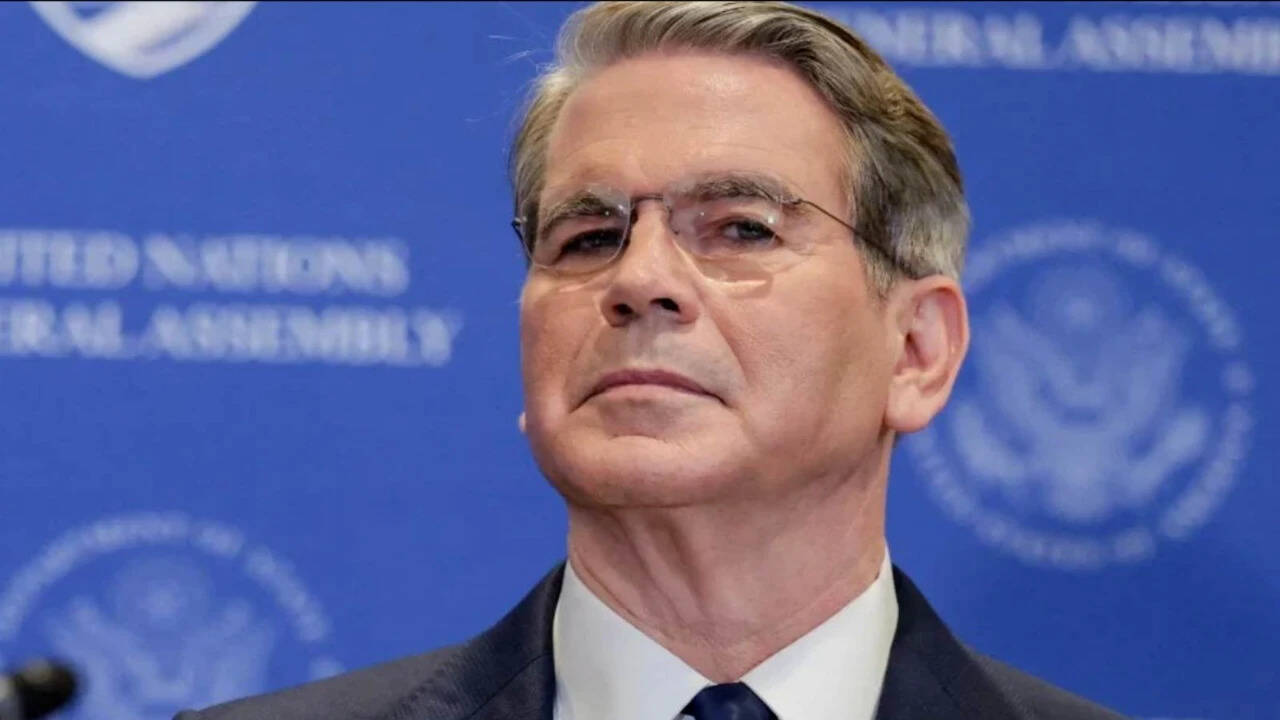
Most political pundits are reading the latest headlines completely backward.
When news broke that Scott Colom won the Mississippi Senate race alongside reports of the White House warning Democrats over future congressional probes, the immediate reaction in Washington was predictable. Cable news panels treated them like two disconnected items on a morning rundown. One is a historic southern election result, and the other is a standard executive branch warning shot before a new congressional session.
They aren't separate stories at all. They're two halves of the exact same power struggle that is going to define American politics for the next two years.
If you want to understand where Washington is headed right now, you have to look at how an unexpected Democratic victory in deep-red Mississippi collides directly with a White House preparing for trench warfare over oversight, subpoenas, and foreign policy. Let's break down what actually happened, why the usual political math failed in Mississippi, and how the administration's warning to Democrats changes the stakes on Capitol Hill—and even in places like Ukraine and Russia.
Why Scott Colom’s Mississippi Victory Broke the Playbook
Mississippi isn't supposed to send Democrats to the United States Senate. For decades, national strategists have written off the state as an automatic lock for Republicans, pouring hundreds of millions of dollars into swing states like Pennsylvania, Michigan, and Arizona while leaving southern Democrats to fend for themselves.
Scott Colom didn't wait for national permission.
Before launching his Senate bid, Colom built his reputation as a reform-minded district attorney in Mississippi's 16th Circuit, covering counties like Lowndes, Oktibbeha, and Clay. That background mattered way more than any national talking point. Voters in rural and suburban Mississippi don't respond well to coastal political consultants telling them how to feel about Washington culture wars. They respond to local credibility, courtroom track records, and whether someone actually shows up in communities that usually get ignored until election week.
Here is what most national observers missed about his campaign:
- He ran on local execution, not national ideology. Colom leaned heavily into his record as a prosecutor who tackled violent crime while pushing smart reforms on low-level offenses, neutralizing the standard "soft on crime" attacks before they could even stick.
- Turnout math shifted in key counties. Rather than relying solely on traditional Democratic strongholds in the Delta, his operation focused relentlessly on Black voter mobilization alongside pragmatic independent voters frustrated with stagnant infrastructure and healthcare access.
- He refused to take the bait. Every time opponents tried to nationalize the race by tying him to unpopular figures in Washington, Colom pivoted right back to Mississippi hospitals, local roads, and cost-of-living pressures.
It worked. And in doing so, it instantly scrambled the Senate math.
When a Democrat wins a seat that nobody on either side budgeted into their baseline projections, every single committee assignment, judicial confirmation, and subpoena vote suddenly carries razor-thin margins. Which brings us directly to why the White House is already drawing hard lines in the sand.
The White House Warning Over Future Probes
You don't issue a public warning unless you're genuinely worried about what happens when the gavels change hands—or when an opposition party gains enough leverage to force real investigations.
Following the midterms and Colom's breakthrough win, the White House sent an unmistakable message to congressional Democrats regarding planned oversight probes. In Washington speak, "warning Democrats over future probes" translates to something very specific. The administration is signaling that it will aggressively challenge congressional subpoenas, assert executive privilege early and often, and frame any sweeping Democratic investigations as partisan harassment rather than legitimate oversight.
I've watched these oversight battles play out across multiple administrations, and the pattern is always the same. The party out of power promises accountability. The party in the White House promises transparency—right up until the first document request hits the West Wing counsel's desk.
How Subpoena Fights Actually Play Out
If you think a congressional subpoena means someone has to show up and testify next Tuesday, think again. Modern separation-of-powers fights move at a glacial pace, and the White House knows it.
- The initial stonewall. A House or Senate committee requests emails, visitor logs, or testimony from agency officials. The White House Counsel responds that the request is overly broad or infringes on executive branch deliberations.
- The privilege claim. When committees issue formal subpoenas, the administration invokes executive privilege, arguing that candid advice to the president must remain protected.
- The court bottleneck. Congress sues to enforce the subpoena. Federal district courts hear arguments, appeals follow, and by the time the D.C. Circuit or the Supreme Court rules, two years have vanished and another election cycle is already underway.
By warning Democrats upfront, the White House is trying to raise the political cost of launching those probes in the first place. They want swing-district Democrats—and newly minted senators like Colom—to worry that spending the next year on Capitol Hill investigations will look like partisan obsession to voters who care more about grocery prices and healthcare costs.
Honestly, it's a smart tactical move. Voters frequently tell pollsters they want checks and balances, yet they quickly sour on televised hearings that don't produce immediate, tangible results in their daily lives.
Where Ukraine and Russia Fit Into the New Equation
It might seem jarring to jump from a Mississippi Senate race and White House subpoena warnings to Eastern Europe, yet foreign policy is often the first place where domestic power shifts show their teeth.
Throughout the ongoing conflict between Russia and Ukraine, American aid packages, intelligence sharing, and diplomatic strategy have depended entirely on fragile coalitions in Congress. Every dollar approved for Kyiv has required navigating skepticism from isolationist factions on the right and intense scrutiny over oversight and accountability from across the political spectrum.
Now add two new variables to that mix.
First, a stronger Democratic foothold in the Senate—bolstered by Colom's victory—gives traditional transatlantic allies in Congress a crucial vote when foreign aid, NATO commitments, and sanctions packages hit the floor. In a chamber where two or three defections can tank a major funding bill, one unexpected seat changes the entire whip count.
Second, those very White House warnings over future probes directly intersect with national security and foreign policy. Congressional oversight isn't limited to domestic agencies or campaign controversies. Committees routinely demand details on diplomatic cables, military aid timelines, and negotiations involving Moscow and Kyiv. When the executive branch signals that it plans to wall off internal deliberations from congressional investigators, foreign policy strategy becomes one of the sharpest battlegrounds on Capitol Hill.
Think about what happens when Congress demands answers on how aid is being conditioned, what diplomatic off-ramps are being explored with Russia, or how defense stockpiles are being managed. If the White House treats every inquiry as an adversarial probe, even routine bipartisan oversight grinds to a halt.
Three Misconceptions People Have About This Moment
Whenever big political news clusters together like this, bad takes spread fast. Let's clear up three things people consistently misunderstand about where things stand right now.
Misconception 1 One Senate Win Means a Blue Wave in the South
Don't overread Mississippi. Scott Colom won because he was an exceptionally well-suited candidate with deep local roots who ran a disciplined campaign tailored specifically to his state. Trying to copy-paste his exact messaging onto another southern state without the same local prosecutor credibility and ground game will fail miserably. Geography and personal biography still beat national branding every single time.
Misconception 2 White House Warnings Stop Investigations
They never do. If anything, telling an opposition party in Congress not to investigate something is like handing them a roadmap of what you're most sensitive about. House and Senate committee chairs will still issue subpoenas, hold hearings, and demand documents. The real effect of the White House's posture isn't stopping probes—it's guaranteeing that those probes turn into protracted legal battles rather than quick political wins.
Misconception 3 Domestic Politics and Foreign Policy Operate in Silos
Watch how quickly domestic leverage turns into foreign policy bargaining chips. Lawmakers rarely vote on Ukraine funding, defense budgets, or sanctions in a vacuum. When tensions flare between the White House and Capitol Hill over investigations and executive power, those grievances spill straight into confirmation hearings for ambassadors, Pentagon officials, and intelligence chiefs.
What to Watch Next
If you want to track how this actually plays out over the coming months without getting distracted by daily cable news noise, keep your eye on three concrete markers:
- Committee assignments for Scott Colom. Watch whether Senate leadership places him on high-profile oversight or judiciary panels—where he would be front and center in battles with the administration—or on agriculture and appropriations committees that let him deliver tangible wins back home in Mississippi.
- The first formal subpoena standoff. Pay attention to the very first document request the White House formally rejects under executive privilege. That single test case will set the legal and political template for every investigation that follows.
- The next major Ukraine aid and sanctions vote. Track how quickly leadership moves foreign policy legislation through the Senate once the new roster is seated, and whether oversight demands get attached as conditions for passage.
The dust from the election hasn't even settled yet, and the lines for the next two years are already drawn. Keep watching the mechanics of power—committee seats, subpoena fights, and whip counts—because that's where the real story happens.