Nobody expected Mississippi to flip. Republican strongholds rarely crack, and when they do, it's usually a slow erosion rather than an overnight earthquake. Yet Scott Colom pulled off the unthinkable. By defeating incumbent Republican Senator Cindy Hyde-Smith, Colom secured a U.S. Senate seat that most political analysts wrote off months ago.
This is not just another midterm upset. It marks the first time Mississippi voters have elected a Democrat to the Senate since 1982. More importantly, it shatters a racial barrier that has stood since the Reconstruction era, making Colom the first Black U.S. senator from the state since Blanche Bruce left office in 1881.
The Anatomy of an Improbable Upset
If you watched the early days of this campaign, the odds looked impossible. Colom candidly admitted that during his first town hall in Jackson, fewer than ten people showed up. Major donors wouldn't return his phone calls. National strategists viewed Mississippi as an expensive distraction while they poured money into competitive swing states elsewhere.
So, how did a local prosecutor pull off a nail-biter that ended with 473,336 votes against Hyde-Smith's 468,667?
He focused on the ground. Instead of chasing high-dollar national fundraisers who told him he couldn't win, Colom built a grassroots coalition that tapped into a deep, quiet frustration across the state. Mississippi has the highest percentage of Black residents of any state in the nation at over thirty-eight percent, yet that demographic power has routinely hit a glass ceiling in statewide elections. Colom turned potential apathy into turnout.
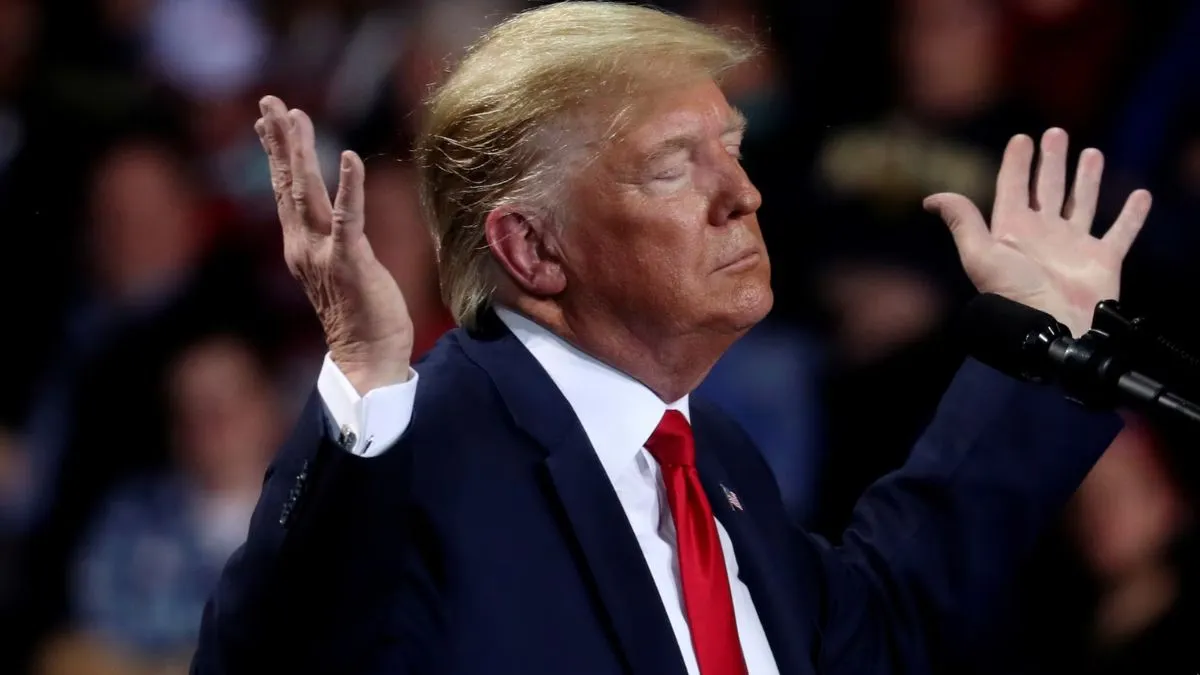
At the same time, the national mood worked against the incumbent. Voters wrestled with high grocery prices, persistent economic anxiety, and the lingering fatigue of partisan gridlock in Washington. When President Donald Trump flew into Corinth, Mississippi, to rally support for Hyde-Smith in the final stretch, the move signaled anxiety within the GOP camp rather than a routine victory lap.
Breaking the Weight of History
History hangs heavy in Mississippi. When Mike Espy ran previous historic bids for the Senate, he fell short against the entrenched machinery of the Mississippi Republican Party. Voters remember those losses, and many approached this cycle with a mixture of hope and deep cynicism.
Gregory Glass, a local restaurant owner, captured that tension perfectly when he noted that while a victory would be historic, it was long overdue in a state with such a massive Black population.
Colom himself understood the weight of the moment. During the agonizing days of ballot counting while local election officials processed affidavit and absentee votes, Colom told reporters that his victory isn't just about his own biography. He framed his win around the next generation—ensuring that young Black children in Mississippi grow up knowing that the highest offices in the land are within their reach, unhindered by artificial barriers.
What This Means for Washington
The ripple effects of this race go far beyond state lines. With Colom heading to Washington, the Senate balance shifts, dealing a heavy blow to the Republican caucus and expanding the incoming Democratic majority. It also adds to a broader national trend in the midterms where southern states flashed unexpected purple, proving that safe seats can vanish overnight when campaigns ignore economic realities on the ground.
For Colom, the real work begins now. He transitions from a district attorney in Mississippi's 16th Judicial District to the national stage, carrying the immense expectations of voters who bet on change against impossible odds.
Mississippi politics will never look the same again.