Politics is full of safe assumptions. We are told deep-red states stay red, demographic shifts take decades, and incumbents hold unbreakable cards. Then an election night happens that blows up the playbook.
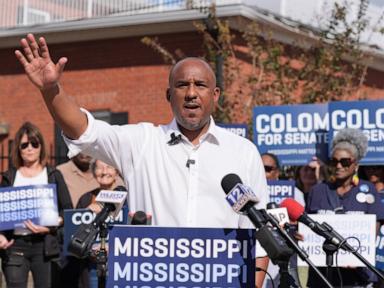
Scott Colom just won a United States Senate seat in Mississippi. Read that sentence again. A Democrat won a Senate race in Mississippi, defeating Republican incumbent Cindy Hyde-Smith in a nail-biter that dragged out through days of affidavit ballot processing.
This isn't just an upset. It's a structural earthquake. Colom becomes Mississippi's first Black senator since Reconstruction, breaking a barrier that stood since Hiram Revels and Blanche Bruce held office in the 1800s—though those early lawmakers were chosen by the legislature, making Colom the first Black senator from the state elected directly by the people.
Why Everyone Got Mississippi Wrong
Most political pundits treat the South as a monolith. They look at past vote margins, write off rural counties, and assume turnout models are written in stone. That laziness cost establishment watchers a front-row seat to a masterclass in grassroots organizing.
Colom didn't win by hiding his party affiliation or running a carbon-copy campaign of past losing bids. He lived in the trenches. He held more than seventy town halls across the state, going into areas where Democrats haven't shown their faces in a generation. He talked about everyday economics, local jobs, and accountability. He didn't let national talking points dictate his ground game.
When you show up where people don't expect you, listen more than you speak, and treat voters like human beings instead of polling percentages, the math changes.
The Backstory Behind the Ballot
To understand how this happened, you have to look at the ground beneath the surface. Mississippi has the highest percentage of Black residents of any state in the nation, yet it has not sent a Black man or woman to the U.S. Senate since the nineteenth century. Mobilizing that base requires immense trust and relentless energy.
Voter frustration played a massive role, too. Across the country, voters grappled with high prices and economic anxiety. Incumbents carrying the weight of those anxieties had a target on their backs. Hyde-Smith leaned hard on national figures—even welcoming President Donald Trump for a rally in Corinth in the waning weeks of the race. But that strategy backfired when voters felt national rallies ignored local pain points.
Colom's message was simple: put Mississippi ahead of Washington politics. It resonated across political lines.
What This Means Moving Forward
When an upset of this magnitude hits, the shockwaves reshape strategy nationwide.
First, national parties are going to have to rethink where they invest. Writing off entire regions because of old maps is a recipe for missing historic shifts. When local candidates connect with real economic grievances, political gravity loses its grip.
Second, the psychological barrier is broken. For decades, politicians in conservative strongholds operated under the assumption that a statewide flip was impossible. Now there's a blueprint. You can't unring that bell.
Mississippi politics just changed permanently. The only question left is who is paying attention.
Dem Scott Colom flips Mississippi Senate seat, CNN projects
This video provides live news coverage and detailed analysis from CNN on Scott Colom's historic Senate victory in Mississippi.