When nature decides to rewrite the calendar, humans just have to deal with the mess. Relentless downpours across the American Southwest didn't just ruin weekend plans. They turned streets into rushing rivers, forced midnight evacuations across multiple states, and threw a massive wrench into Election Day logistics.
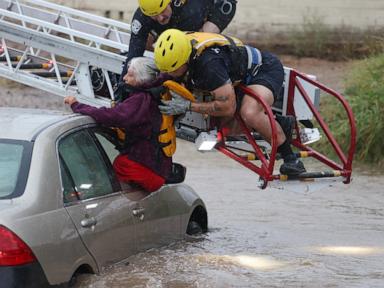
Water doesn't care about democratic traditions. When torrential rain pounds dry desert earth, it has nowhere to go. Flash floods swept through valleys and towns, swallowing cars, undermining bridges, and threatening residential neighborhoods. Emergency responders found themselves working around the clock. They pulled stranded residents from rooftops while keeping a wary eye on rising creeks that refused to recede.
When Infrastructure Meets Extreme Weather
The real story of Southwest flooding isn't just about water falling from the sky. It's about how vulnerable our built environment remains when faced with sudden climate extremes. Dry soil acts like concrete during heavy cloudbursts. Instead of soaking moisture into the ground, topsoil sheds water instantly, creating walls of runoff that barrel down arroyos and city streets alike.
In places like Arizona and parts of neighboring states, infrastructure is built to handle arid conditions with occasional heavy storms. But systems get overwhelmed fast when multiple inches of rain drop in a matter of hours. Power lines snapped. Mudslides blocked major thoroughfares. Communities that pride themselves on resilience suddenly found themselves completely cut off from emergency services.
The Chaos at the Ballot Box
Civic duty usually involves showing up at a designated local school or community center, casting a ballot, and heading home. But what happens when your polling place is surrounded by three feet of muddy water or located inside an evacuation zone?
Election officials faced an unprecedented scramble. Voting locations had to be relocated at the eleventh hour. Power outages forced poll workers to rely on emergency backups, while flooded roads kept voters away from physical precincts. Counties enacted emergency protocols to extend voting hours or redirect citizens to alternative sites. Still, the confusion left thousands wondering if their votes would count or if they could even reach a ballot box safely.
Election integrity depends heavily on accessibility. When natural disasters strike right as polls open, local governments are forced to choose between public safety and the sacred timeline of an election. Moving precincts on short notice creates confusion. Turnout drops when people spend their day sandbagging doorways instead of standing in line to vote.
What This Means for Future Preparedness
We keep treating extreme weather events as anomalies. They aren't. They're a recurring stress test for local governments, emergency management agencies, and election supervisors.
If you live in a region prone to flash flooding, relying on last-minute county alerts isn't an strategy. Keep emergency supplies packed. Know your zone. Pay attention to local meteorological warnings long before the skies turn dark. Local authorities must invest heavily in resilient infrastructure, hardened polling stations, and decentralized voting methods that can withstand sudden environmental shocks.
The storm eventually passed. Floodwaters receded, leaving behind thick layers of silt and a massive cleanup bill. But the disruption serves as a stark reminder. Mother Nature bats last, and our democratic systems need to become just as adaptable as the storms are destructive.
Catastrophic flooding across the Southwest
This video provides meteorological forecasts and on-the-ground coverage of the severe weather and evacuations that impacted the region.