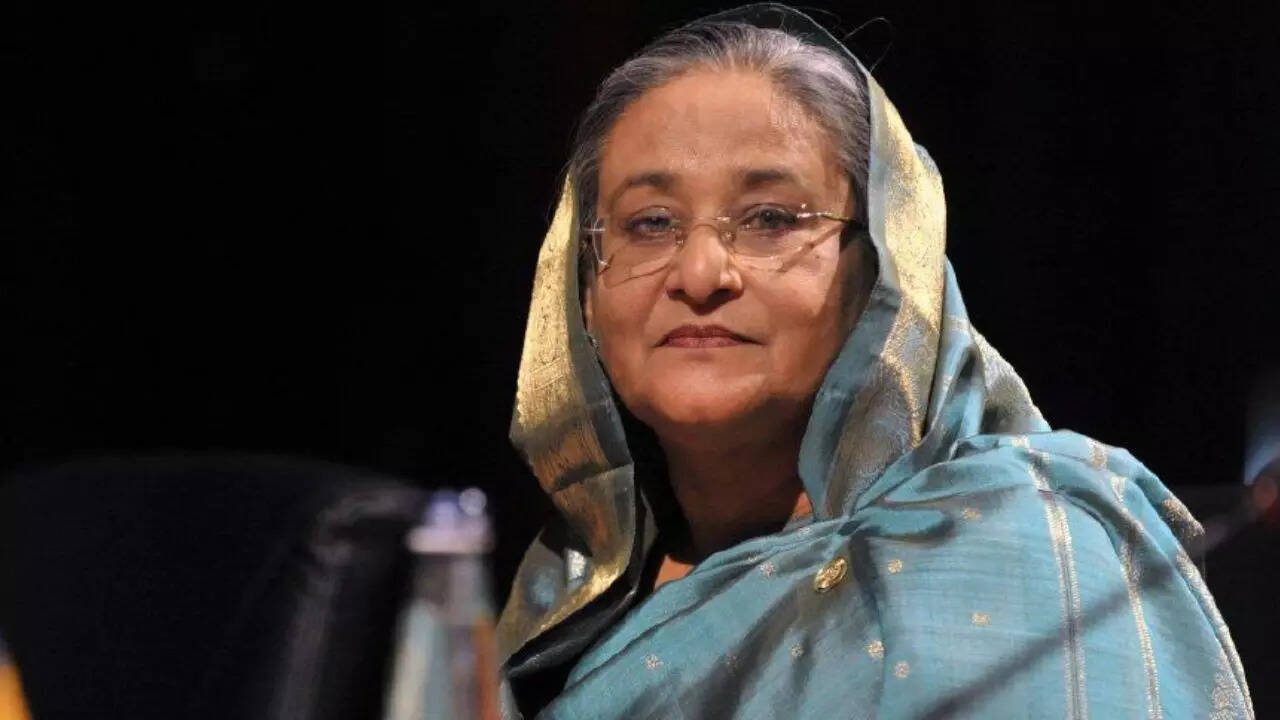
Dhaka says Sheikh Hasina will be arrested the moment she crosses back into Bangladesh. Honestly, that warning isn't just tough talk—it's a direct collision alert as December approaches.
Anyone searching for this story wants a straight answer on two things right now. First, will Bangladesh actually lock up its former prime minister if she tries to come home? Yes, officials in Dhaka say she faces arrest, prison, and legal enforcement immediately upon return. Second, can Bangladesh force India to hand her over before then? That part is messy, legalistic, and far less automatic than Dhaka's rhetoric suggests.
I've watched South Asian political standoffs play out long enough to know that public threats and treaty clauses move at very different speeds. Dhaka wants accountability and closure after the deadly 2024 upheaval that ended Hasina's fifteen-year rule. New Delhi is sitting on a sensitive diplomatic hot potato while balancing bilateral ties, domestic legal scrutiny, and regional stability.
What Dhaka Actually Said About Sheikh Hasina Return Plans
State Minister for Foreign Affairs Shama Obaed Islam made Bangladesh's position unmistakable in remarks reported by Reuters. She stated that Hasina would be arrested, sent to jail, and left to face the legal process as soon as she tries to enter the country. At a rally in Faridpur's Nagarkanda upazila, Obaed pointed toward central jail custody and pressed India to honor the bilateral extradition treaty and return Hasina as a convicted person.
Look at the timing and you see why the temperature jumped. Hasina has been living in India since August 2024 after mass protests forced her out of power. With talk of a possible December return circulating alongside renewed street tension and tighter border precautions in Bangladesh, Dhaka isn't treating her comeback as a normal political speech. Officials view it as a direct challenge to state authority and an active judicial verdict.
Meanwhile, the paperwork battle has gotten louder behind the scenes. Hasina's legal team, including London-based counsel Steven Powles KC, has pushed the Bangladesh High Commission in New Delhi regarding requests for a fresh passport and National Identity Card. Bangladeshi officials have pushed back hard against issuing travel documents to someone convicted in absentia by the International Crimes Tribunal, insisting that her return belongs under formal extradition rather than routine travel.
The Death Sentence and Legal Reality Behind the Threat
A lot of surface-level coverage treats this clash like a standard political feud. It's not. In November 2025, Bangladesh's International Crimes Tribunal sentenced Hasina to death in absentia on charges tied to crimes against humanity during the 2024 crackdown. The United Nations has estimated that as many as 1,400 people died during that unrest, and her Awami League party has been banned.
That conviction changes what an arrest means on paper. If Hasina enters Bangladeshi jurisdiction voluntarily or via surrender, she wouldn't simply be held for questioning like an ordinary opposition figure. She would be walking into a system where a capital sentence has already been pronounced against her.
At the same time, international human rights groups have raised sharp questions about the proceedings, including concerns over trial speed, fairness, and trials conducted in absentia, alongside opposition to the death penalty itself. You don't have to ignore the victims' families or the scale of the 2024 violence to see why those legal debates matter. In foreign capitals, how a conviction was reached carries real weight when governments decide whether to cooperate.
Why Extradition Isn't a Simple Push-Button Demand
Dhaka keeps talking as if India simply has to hand Hasina over because a treaty exists. In practice, extradition treaties are full of legal doorways and escape hatches.
Under the 2013 India-Bangladesh extradition treaty and India's Extradition Act of 1962, requests are evaluated through legal standards and executive discretion rather than automatic compliance. Legal analysts point to several friction points that complicate any quick transfer:
- Political offense arguments: Treaties often allow a requested state to weigh whether an offense has a political character, even when exceptions exist for specific grave crimes. When an ousted leader faces charges brought after a political uprising, arguments over political character and good faith inevitably surface.
- Dual criminality and legal framing: Extradition depends on how conduct is defined and punishable across both legal systems. Disagreements over legal characterization can slow or stall diplomatic movement.
- Executive discretion and bilateral stakes: India's government holds decisive authority over extradition decisions under domestic law, and New Delhi has avoided rushing public commitments while weighing regional security and ties with Dhaka.
Let's be real: treaties don't decide geopolitics on their own. Governments use legal rules to justify political choices, and right now New Delhi has every incentive to move cautiously rather than box itself in.
Where Competitor Coverage Misses the Bigger Picture
Short wire-style rewrites usually stop at the headline quote—"face the music"—and repeat the basic timeline. That leaves readers guessing why this moment feels different from earlier warnings over the past two years.
First, a December return narrative collides directly with domestic security jitters inside Bangladesh. Authorities have stepped up border vigilance and security measures ahead of December, signaling worry that rhetoric from exile could spark fresh mobilization or unrest on the streets.
Second, the passport and identity card push shows Hasina's camp testing formal bureaucratic channels even while political tensions simmer. Even if Dhaka refuses those documents, the dispute forces both sides onto legal ground where every refusal or reply becomes political ammunition.
Third, this isn't just about one person's fate. How Bangladesh handles accountability and how India responds to extradition pressure will shape trust between two neighbors with deep economic, border, and security ties. Pushing too hard can backfire diplomatically; doing nothing risks deepening domestic resentment in Dhaka.
Practical Ways to Track What Happens Next
If you're following this story closely instead of chasing sensational clips, focus on concrete signals over the coming weeks:
- Watch official responses from New Delhi: Look for formal statements or legal steps from India's Ministry of External Affairs rather than unverified social media claims about flights or border crossings.
- Track the passport and ID correspondence: Pay attention to documented replies between Hasina's legal team and Bangladesh's diplomatic mission, since travel-document disputes often precede broader legal moves.
- Separate street noise from policy action: Street rallies and sharp speeches happen constantly in South Asian politics. Real turning points show up in official border directives, court filings, or formal diplomatic demarches.
- Read multiple regional perspectives: Compare reporting from Dhaka, New Delhi, and international wire services like Reuters alongside treaty texts hosted by India's Ministry of External Affairs so you don't get stuck inside a single national narrative.