Big international summits always trigger a massive scramble behind the scenes. When a global economic powerhouse plays host, local authorities don't just hang up a few welcome banners and call it a day. They reshape the physical rhythm of an entire metropolis. Right now, Shenzhen is deep in that high-stakes transformation as it puts the final touches on its preparations for the upcoming APEC Economic Leaders' Meeting.
If you think this is just about sweeping the streets or putting up fresh decorations, you're missing the scale of what's happening on the ground. From massive voluntary car-free drives to heavy transit incentives, the city is engineering a complete logistical pivot. Let's look at what is actually changing, why the local government chose this specific playbook, and what it means for anyone navigating China's tech capital this November.
The Push to Clear the Roads
Traffic congestion is an everyday reality in a hyper-dense manufacturing and tech hub like Shenzhen. During a high-level diplomatic gathering, gridlock becomes an international security liability. Instead of relying solely on heavy-handed bans right out of the gate, local officials launched a massive public mobilization campaign called "Green Travel, Smooth Traffic".
The numbers speak for themselves. By late October, more than 500,000 local vehicle owners had signed up for a voluntary car-free scheme running from November 16 to November 20. Drivers who pledge to leave their cars parked get incentives like transit points and exclusive commemorative transit cards. Meanwhile, official and state-owned company cars face a staggering 90 percent suspension rate.
It’s a clever psychological and logistical trick. By rewarding voluntary participation and offering heavy public transit perks, the city avoids absolute total gridlock while keeping public cooperation high.
Half-Price Transit and Concrete Infrastructure Tweaks
You can't ask half a million people to ditch their cars without giving them a viable alternative. Shenzhen solved this by slashing metro and bus fares by 50 percent across the board during the summit week.
Service frequencies are getting a massive boost, too. Certain metro lines are scheduled to run as frequently as every two minutes, backed by extra trains and extended operating hours if passenger surges demand it.
At the same time, freight and logistics are tightening up. Trucks face rolling restrictions lasting anywhere from two to five days depending on their vehicle classification. While heavy and hazardous-goods haulers face strict limits, essential supply chains—like fresh food delivery, emergency repair units, and medical transport—can apply for temporary exemptions.
Green Aesthetics Meet Strict Execution
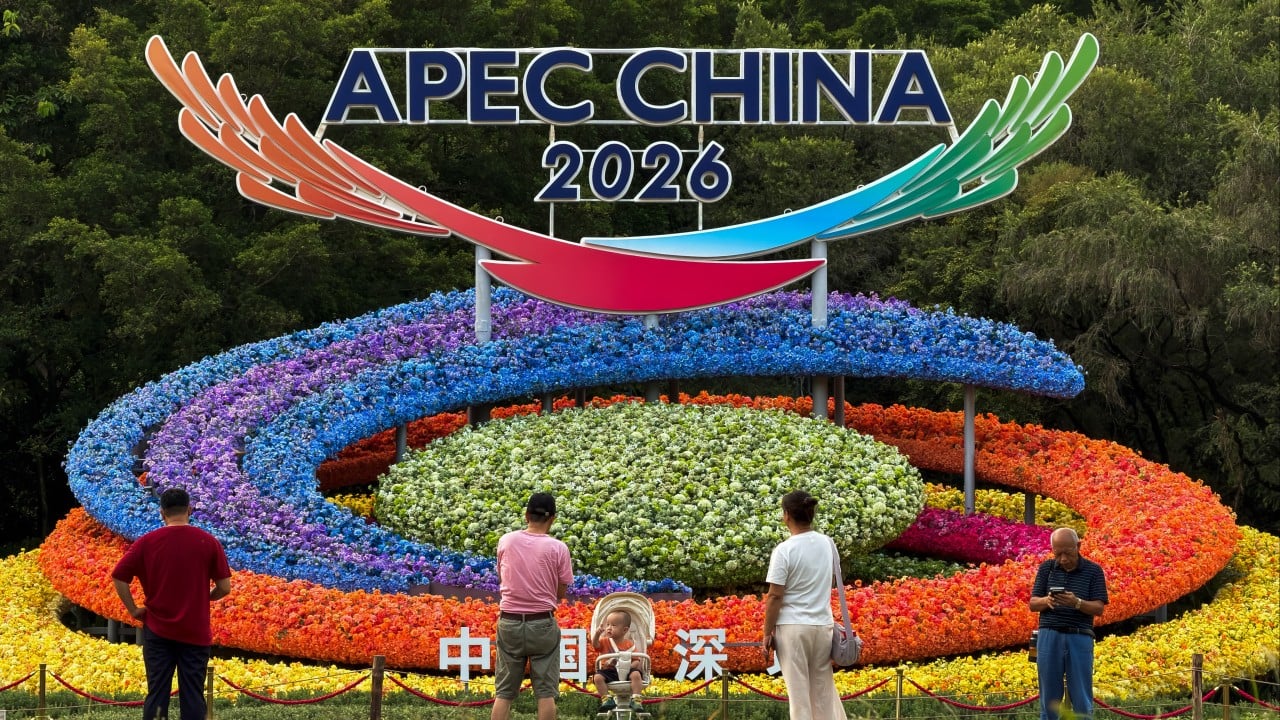
Urban beautification is standard protocol for major international events, but Shenzhen has tied its landscape overhaul directly into its identity as an innovation-driven, green metropolis. Crews have deployed elaborate, APEC-themed flower beds along major arterial routes like Shennan Boulevard, turning traffic medians into vibrant botanical displays.
Tree planting initiatives and vertical greening projects have reached their final phase. The goal isn't just aesthetic appeal for visiting dignitaries and international media crews. It represents a broader effort to showcase sustainable urban design.
What This Means for Everyday Life
If you're living in Shenzhen or traveling through Bao'an International Airport and the Hong Kong land borders this month, expect noticeable shifts. Commuting patterns will look entirely different between November 16 and 20. While the metro system will handle the heavy lifting at a discount, travelers need to keep a close eye on district-level notices regarding temporary elevated road closures and tunnel restrictions.
Shenzhen's strategy proves that hosting a mega-summit doesn't have to rely exclusively on shutting a city down. By combining digital sign-ups, financial transit incentives, and aggressive public mobilization, they've built a blueprint for modern event management.
Plan your routes, embrace the discounted public transit, and watch how a city of millions reorganizes itself in real time.
Shenzhen Decks Streets with Flowers Ahead of APEC Leaders
This video provides a visual look at the flower beds and street decorations brightening up Shenzhen's boulevards ahead of the summit.