You don't need a degree in military strategy to see that the United States armed forces grew top-heavy over the last few decades. Walk into any major command center today, and you'll find an astonishing ratio of stars to soldiers. Defense Secretary Pete Hegseth just changed that math. By slashing the number of generals and admirals by 20 percent, the Pentagon has pulled off a restructuring move that critics call a purge and supporters call basic accountability.
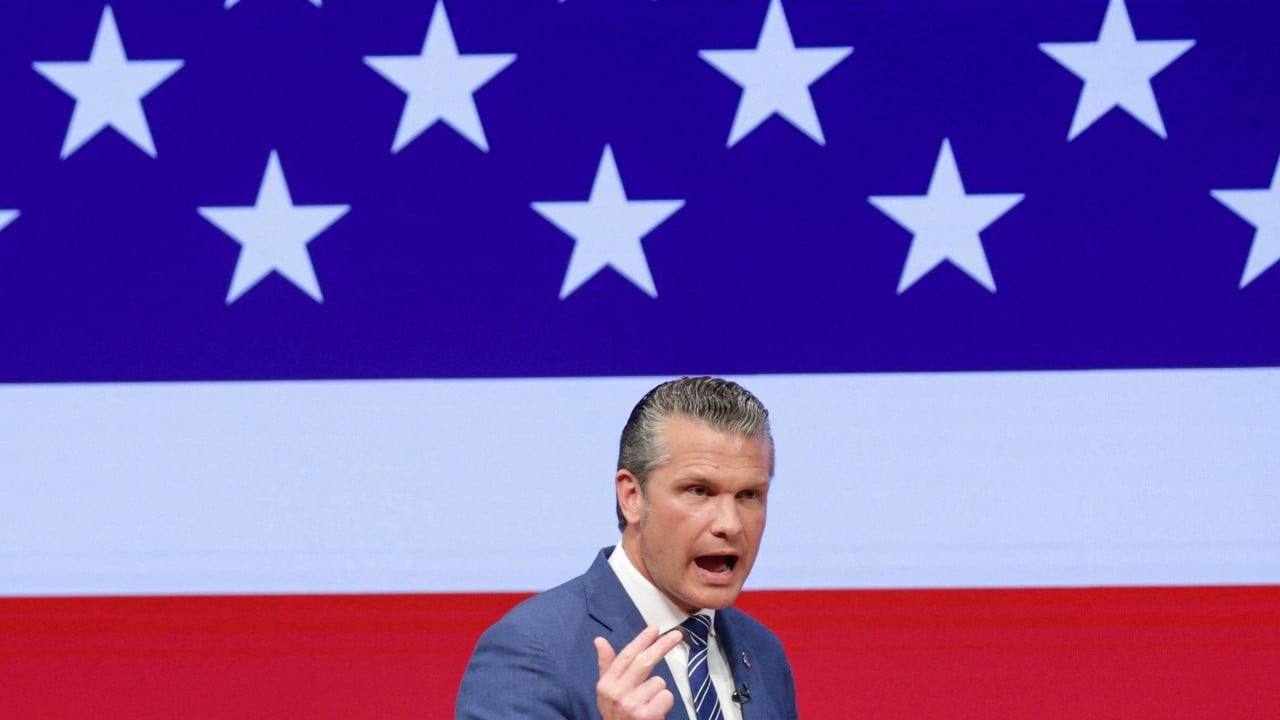
Let's look at the numbers. Hegseth confirmed during his State of the Force Address at Marine Corps Base Quantico that the active-duty military fired roughly 10 percent of its senior officers outright while cutting an additional 10 percent from the overall general officer slots. That adds up to a 20 percent reduction across the board. If you've spent any time tracking bureaucratic bloat in Washington, you know how rare it is for any agency to shrink its upper management by a fifth.
Cutting the Top Brass
For years, military analysts pointed out an awkward truth. The US military maintained a higher ratio of generals and admirals to active-duty troops than it did during World War II, a conflict where millions more personnel served under arms. Headquarters became stuffed with desk-bound senior officers managing administrative initiatives rather than direct war-fighting readiness.
Hegseth's approach targets this exact bloat. Senior officers who failed to align with the administration's push to strip away non-combat policies found themselves out of a job. Those who adapted are now leading newly focused formations at bases across the country.
Critics from across the political aisle aren't happy. Lawmakers like Senator Mark Kelly argued that removing experienced top leaders hurts institutional knowledge and guts the upper echelon of its best minds. Critics see ideological motivations driving the exits, pointing to past speeches where leadership criticized previous administrative priorities.
Why This Shift Matters Now
The debate isn't just about personnel numbers. It touches on a fundamental question of what the modern military is supposed to be. Is it an agile instrument designed exclusively for combat dominance, or a broad institution absorbing diverse social policies?
When you cut one in five generals and admirals, you send a clear signal down the entire chain of command. Junior officers and enlisted troops notice who stays and who goes. It changes the career incentives. Instead of playing office politics in Washington hallways, officers are pushed back toward tactical excellence and operational readiness.
Whether this aggressive pruning produces a leaner, meaner force or leaves dangerous leadership gaps depends entirely on how the remaining slots are managed over the next few years. Right now, the Pentagon made its choice, and the old guard is officially out.
Watch the announcement on the Pentagon's leadership shakeup
This video provides an overview of the defense secretary's address and the restructuring plan for senior military officers.