When Washington announces it is cutting a major trading partner loose, financial markets usually panic and politicians scramble. Yet, Pretoria's reaction to its upcoming expulsion from the African Growth and Opportunity Act (AGOA) has been remarkably muted. Officials are essentially treating it as a manageable hurdle rather than an economic apocalypse.
The Trump administration's decision to ban South Africa and Rwanda from the flagship trade pact effective January 1, 2027, marks a dramatic escalation in bilateral tensions. U.S. Trade Representative Jamieson Greer pointed to policies deemed inconsistent with American interests, citing vague trade barriers and foreign policy friction. But instead of surrendering to U.S. pressure over domestic affirmative action laws, land reform debates, or its contentious foreign policy stances, South Africa is looking past the North American market.
Behind the AGOA Exiting Strategy
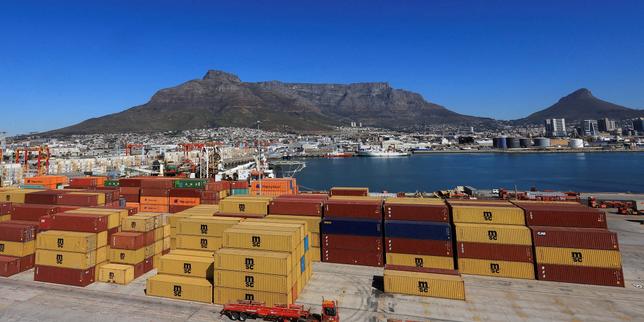
Why isn't Pretoria panicking? The numbers tell a story that Washington's protectionists might be missing. Precious metals and critical minerals already shield a substantial portion of South African exports from the fallout, entering under separate tariff schedules or global market demands.
For sectors like agriculture, the loss hurts—especially for the country's massive citrus industry, which competes heavily globally. Without duty-free access, tariffs on certain products will bump up from zero to modest margins around fifteen percent. It's a noticeable friction point, but it's far from a total blockade. Trade Minister Parks Tau has made it clear that while the preferential pact mattered, it does not define the entirety of the nation's international commerce.
Pretoria prepared for this worst-case scenario weeks in advance. Rather than rolling back sovereign domestic policies to appease the White House, the government chose to protect its legislative independence.
The Geopolitical Friction Points
Washington's move didn't happen in a vacuum. Relations between the two capitals have cratered due to a series of high-profile disagreements.
- South Africa's legal case at the International Court of Justice accusing Israel of genocide alienated key American allies.
- Joint naval exercises held with China, Russia, and Iran drew sharp rebukes from the Pentagon.
- Domestic policies, including broad Black economic empowerment regulations and land expropriation debates, faced relentless attacks from U.S. officials who weaponized unverified narratives about minority treatment.
U.S. Ambassador to South Africa L. Brent Bozell III didn't mince words, calling the exclusion a predictable outcome born from Pretoria's rejection of American policy demands. Yet, South African foreign minister Ronald Lamola drew a hard line, stating plainly that the country refuses to surrender its sovereignty for trade concessions.
Where South African Trade Goes Next
Exclusion from a major Western program forces a strategic pivot. South African exporters are accelerating diversification efforts toward alternative markets that value stable commercial ties over ideological alignment.
Look toward the broader African Continental Free Trade Area (AfCFTA), where intra-continental commerce offers immense room for growth. At the same time, trade volumes with the European Union, India, and China remain robust enough to absorb shifts in export destinations. Pretoria is betting that global demand for its industrial inputs and agricultural goods will outlast shifting political winds in Washington.
Trade preferences come and go, but structural economic gravity persists. South Africa's pragmatic shoulder shrug is a calculated bet that the global economy is far too large for any single nation to dictate terms forever.