Heavy downpours have once again upended daily life in Sri Lanka. Schools across the central, tea-growing mountainous regions are shut tight.
Torrential rains over a two-day span triggered violent floods and massive mudslides. Five people lost their lives when earth collapsed over their homes in the central region, while three others sustained injuries and rescue operations scramble to find the missing.
Why the Central Region Bear the Brunt
If you look at Sri Lanka's geography, the central highlands are extremely vulnerable during severe weather. Heavy monsoon patterns regularly hammer these slopes. When continuous rain saturates the soil, the hillsides simply give way.
Pradeep Kodippili, spokesperson for the Disaster Management Center, confirmed that nearly 2,000 residents have been evacuated from high-risk zones. Over 100 homes sustained structural damage.
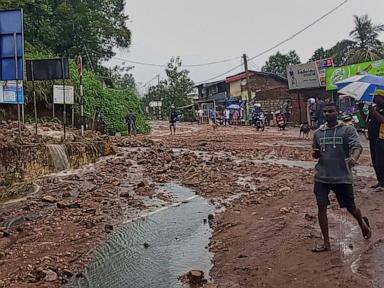
Main roads across the central region look completely different right now. Huge boulders, thick mudflows, and fallen electrical posts block traffic completely. Local broadcasters captured footage of navy and army troops wading through churning brown water to pull trapped families from houses threatened by incoming earth slips.
The Heavy Burden of Recovery
This crisis hits at the worst possible time. The island nation is still trying to pick up the pieces from Cyclone Ditwa, which struck in November and claimed nearly 640 lives. That storm inflicted roughly $4.1 billion in damages across two million people, leaving central province infrastructure fragile and largely unrepaired.
When consecutive natural disasters hit a developing region before it can stabilize, the long-term economic and human toll escalates fast. Roads washed out months ago are buckling again.
Staying Safe Amid Ongoing Warnings
Authorities keep emergency response teams on high alert. If you're tracking conditions locally or have family in the affected districts, keep these priorities in mind:
- Monitor local updates from the Disaster Management Center closely.
- Evacuate immediately if local authorities issue warnings for landslide-prone hill areas.
- Avoid driving through flooded roadways or near unstable slopes.
The rain continues to fall. Response teams remain stretched thin across the central highlands as communities brace for what comes next.