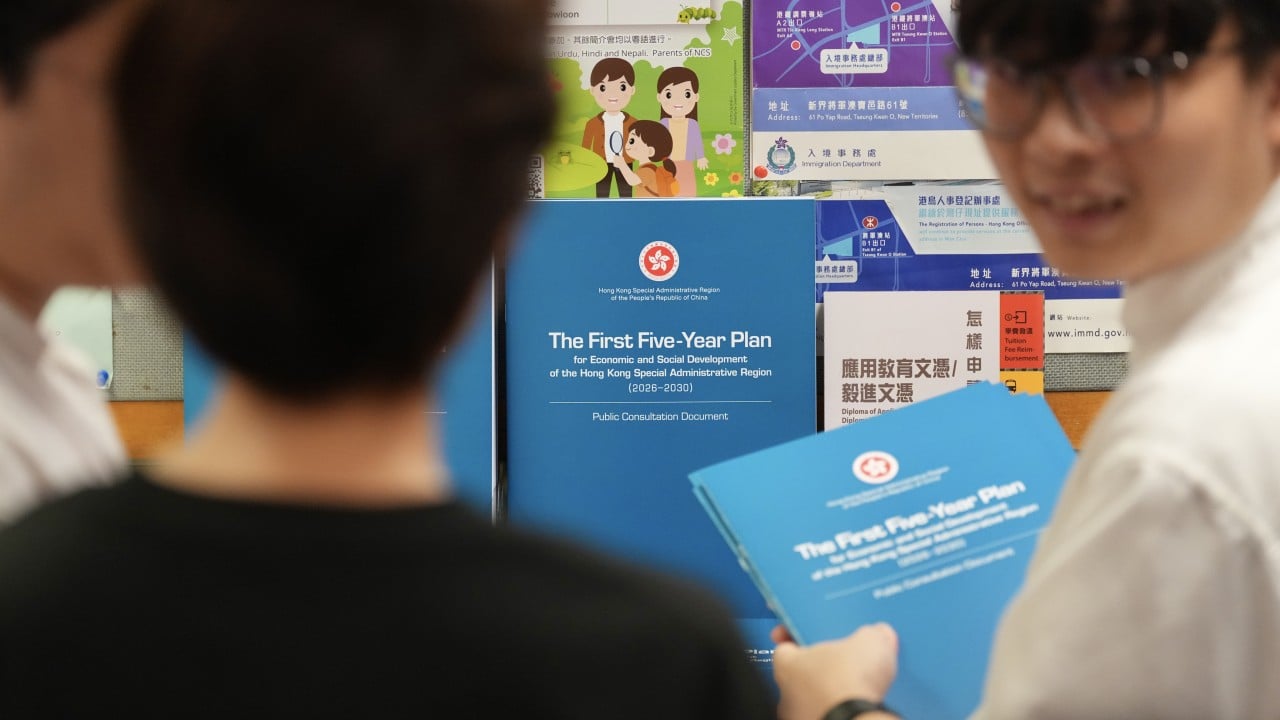
Hong Kong is rewriting its governance playbook. For the first time, the city is pairing its annual Policy Address with a medium-term economic blueprint. That shift changes everything about how laws get scrutinized.
Legislative Council President Starry Lee Wai-king is pushing hard for an extended debate schedule when the chamber convenes to discuss the upcoming joint release on September 16. She wants more than the standard timeline. She knows that reviewing two massive, interconnected documents simultaneously requires far more than a rushed conversation.
The administration scheduled a three-day concurrent debate from October 7 to 9. Lee has made it clear that she hopes to secure an even longer duration. Why? Because the transition from yearly incremental budgeting to a structured five-year horizon introduces structural questions that ordinary single-session formats cannot handle.
Breaking With Tradition
Historically, the city operated on a yearly cycle of policy addresses and financial budgets. Lawmakers reviewed discrete, short-term measures. They looked at annual housing targets, one-off tax rebates, and immediate welfare handouts.
A five-year framework alters the entire rhythm. It forces the administration to align local strategies with the national cycle. It demands medium-term accountability.
Chief Executive John Lee Ka-chiu has emphasized that the inaugural five-year blueprint sets the overarching direction, while the annual Policy Address delivers the specific metrics and operational steps. You cannot look at one without analyzing the other. If lawmakers only get a compressed window to debate both, the exercise turns into theater rather than genuine legislative oversight.
Lee's push for extended floor time reflects a logistical reality that veteran observers understand well. When you introduce a brand-new institutional mechanism, procedural bottlenecks happen naturally.
The Mechanics of the Joint Consultation
The preparation phase broke new ground too. LegCo and the government set up a joint mechanism to collect public feedback. Lawmakers held nearly 100 consultation sessions in just one month. They engaged roughly 4,000 sector representatives and compiled almost 600 written submissions.
That massive data collection effort created a mountain of policy suggestions covering everything from labor force contraction and the declining birth rate to housing affordability and the development of the Northern Metropolis.
When you generate that volume of public input, processing it requires a robust legislative response. Rushing the final floor debate undermines the months of groundwork put in by district-level politicians and advisory bodies.
What’s at Stake for Lawmakers
Critics often question whether expanded debate time changes outcomes or simply prolongs speeches. In this specific case, the stakes are different.
This dual release marks the final policy address of John Lee’s current term. It means the strategy outlined in September will anchor the city's trajectory for years to come, shaping how upcoming administrations handle economic diversification, Greater Bay Area integration, and talent retention.
Lawmakers face a steep learning curve. They have to transition from reactive questioning on day-to-day grievances to proactive evaluation of multi-year macroeconomic targets. If the Legislative Council fails to secure sufficient time to interrogate these details, the five-year plan risks becoming a top-down directive rather than a genuinely tested roadmap.
Expect fierce negotiations over the exact clock time allocated to each speaker. Lee’s insistence on a longer format points to an institutional desire to prove that the revamped legislature can exercise meaningful, rigorous scrutiny.
Keep an eye on the final calendar adjustments as October approaches. The length of the debate will signal how seriously the establishment treats its new medium-term planning role.