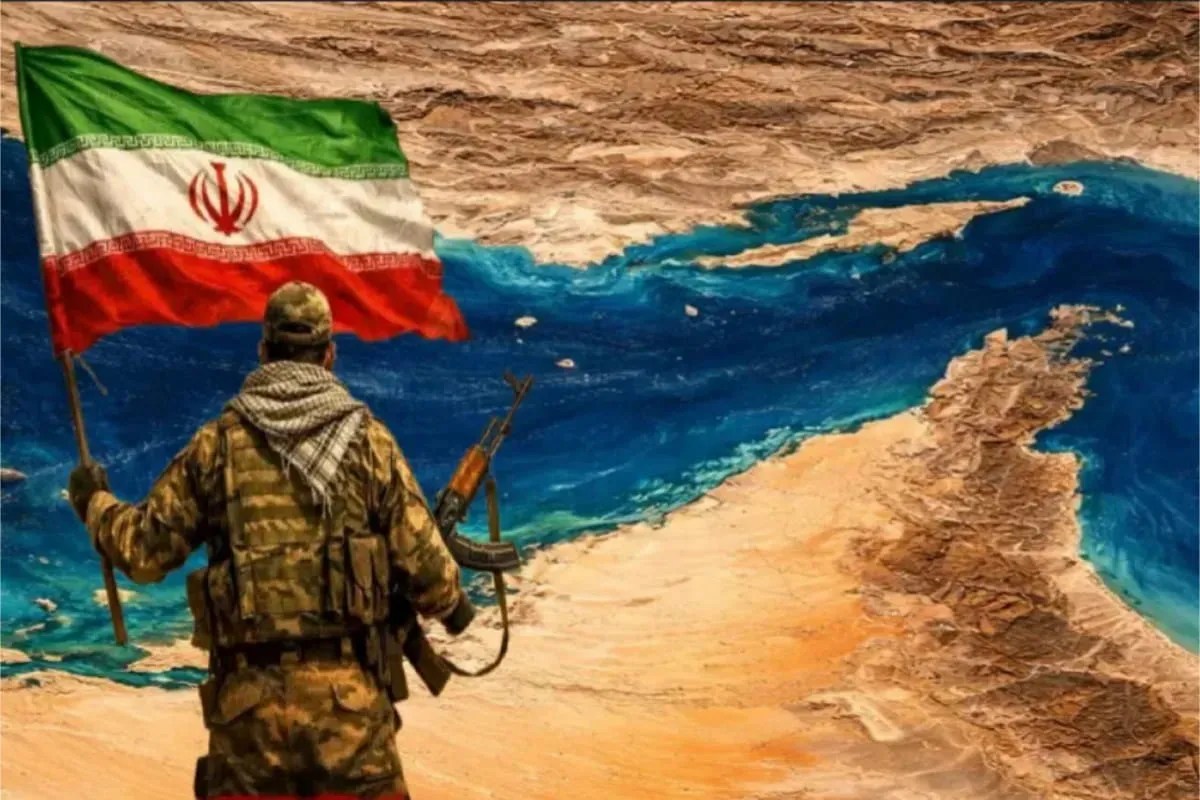
You ignore the Strait of Hormuz at your own peril. When a narrow strip of water handles a massive slice of the world's petroleum supply, every diplomatic threat or naval warning instantly ripples through global markets. Iranian military leadership just made their stance painfully clear to anyone willing to listen. Rear Admiral Habibollah Sayyari, the coordination deputy of Iran's army, didn't mince words when addressing unauthorized naval traffic through the waterway. If you try to cross without clearance, the consequences won't be friendly.
Let's look past the political posturing. Why does this specific chokepoint matter so much, and what happens when the rhetoric turns into actual confrontation?
The Anatomy of a Global Oil Chokepoint
Geographically speaking, the Strait of Hormuz sits between Oman and Iran, linking the Persian Gulf with the Gulf of Oman and the Arabian Sea. It's the only sea passage from the Persian Gulf to the open ocean, making it an irreplaceable artery for energy transport. Millions of barrels of oil and liquefied natural gas pass through its narrow shipping lanes daily.
When tensions spike, shipping insurance rates skyrocket overnight. Oil traders panic. Tanker captains double-check their security protocols.
Rear Admiral Sayyari's recent statements point directly to this immense economic leverage. He argued bluntly that if the strait were operating under normal, unrestricted conditions, continuous oil flows would keep gasoline prices stable in Western nations like the United States. Instead, domestic fuel prices climb, public frustration builds, and politicians scramble for answers. Iran knows this vulnerability inside out. By clamping down on unauthorized transit, Tehran exercises direct control over an economic nerve center that affects motorists thousands of miles away.
Washington Versus Tehran On Waterway Control
The friction isn't just about regional pride; it's a battle of competing legal and military narratives. The United States Navy maintains a heavy presence in the region, asserting that international maritime law guarantees free navigation through crucial straits. Washington insists that commercial shipping lanes remain open and that naval escorts protect global trade.
Tehran views the situation through an entirely different lens. Iranian officials maintain that security in the Persian Gulf region should be managed strictly by regional powers, not foreign fleets thousands of miles from home. According to this perspective, any vessel attempting to pass without coordinating with Iranian authorities is violating sovereignty.
This creates a dangerous chess match. You have heavily armed warships operating in cramped maritime corridors where a single miscalculation could spark a wider conflict. Commercial tankers are caught directly in the middle, forced to navigate conflicting directives from naval commanders who don't talk to each other.
What This Means For Energy Markets and Everyday Costs
People often wonder why a dispute over a Middle Eastern waterway matters to someone filling up a car in Ohio or Madrid. The answer lies in the unforgiving math of global commodities. Oil is priced on a worldwide market. Any disruption or perceived threat to supply drives futures contracts higher. Refineries pay more for crude, which translates directly to higher prices at the pump for gasoline and diesel.
When military officials issue warnings about blockading or monitoring transit routes, markets react instantly. Traders don't wait for a war to start; they price in the risk of a war immediately.
- Higher shipping insurance premiums drive up operational costs.
- Rerouting tankers adds days or weeks to delivery times.
- Inventory buffers shrink if shipments are delayed or cancelled.
Sayyari's commentary regarding American gasoline prices highlights this exact economic feedback loop. Whether you agree with Iran's tactical choices or view them as aggressive posturing, the reality remains unchanged. Energy security is fragile, and the Strait of Hormuz remains the most sensitive pressure point on the map.
Navigating Uncertain Maritime Security
If you're managing supply chains, logistics, or energy investments, ignoring geopolitical flashpoints is a losing strategy. The current standoff in the Persian Gulf isn't resolving itself anytime soon. As long as diplomatic channels remain frozen and military commanders keep exchanging public warnings, marine transit through the gulf stays high-risk.
Keep a close eye on shipping association advisories rather than relying solely on sensationalized headlines. Monitor maritime tracking data to see how commercial fleets are altering their routes. Preparation beats panic every single time.