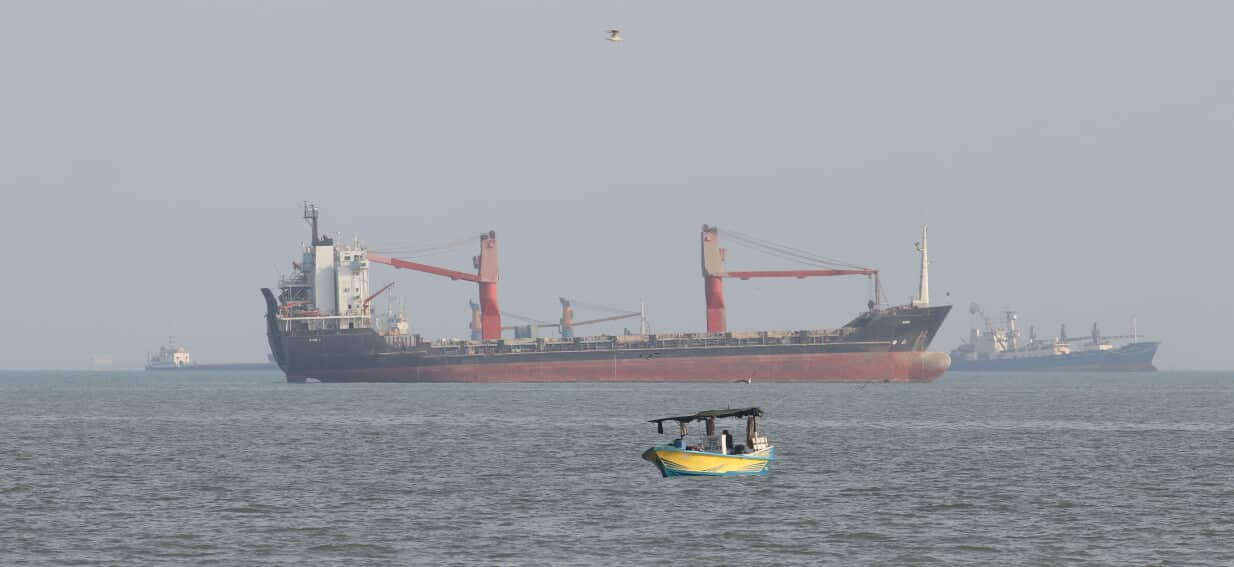
Seven oil tankers caught fire or suffered severe structural immobilization overnight in the Strait of Hormuz, marking the largest single-day tally of damaged commercial vessels since the regional conflict kicked off on February 28.
Iranian state television, citing statements from the Revolutionary Guard's navy, reported that four of the vessels were actively transferring crude when targeted, while three others struck hidden naval mines. While independent verification remains complicated, shipping intelligence groups and regional analysts note that the scale of this incident instantly shifts the risk calculations for every barrel of oil moving out of the Persian Gulf.
If you are wondering how global markets absorb a shock like this, the reality is that they don't do it cleanly. Energy transit through this narrow chokepoint has always been fragile, but October's escalation turns routine maritime transport into a high-stakes gamble.
The Anatomy of a Chokepoint Crisis
The Strait of Hormuz handles a massive slice of the world's petroleum supply. When seven ships take hits in a single 24-hour window, shipping companies can no longer pretend it is business as usual.
According to data from maritime tracking firms, operators willing to brave the route have increasingly resorted to running the gauntlet at night. They slip through a U.S. military-protected lane near the coast of Oman with their location tracking systems and mobile phones completely switched off. Once clear of the immediate hazard zone, the crude is transferred via complex ship-to-ship operations to secondary tankers waiting in the Gulf of Oman for the long haul to Asian markets.
That workaround is slow, dangerous, and expensive. Spot charter rates for tankers have spiked into the hundreds of thousands of dollars per day, punishing refiners and ultimately driving up diesel and gasoline costs for consumers worldwide.
Bypassing the Waterway
You cannot talk about the Strait of Hormuz without looking at alternative evacuation routes for crude. When maritime lanes close or become deathtraps, producers look overland.
Saudi Arabia's state oil giant, Aramco, recently reported that volume moving through its East-West pipeline has more than tripled. That critical infrastructure bypasses the maritime bottleneck entirely, pumping crude from eastern fields to Red Sea export terminals. Pipeline capacity surged from two million barrels a day to seven million barrels daily, acting as a vital pressure release valve while the waters remain contested.
Even so, pipelines have limits. They cannot absorb the total volume normally carried by supertankers passing through the strait. Every bottleneck bypassed adds strain to regional infrastructure, and facilities like those operated by Aramco remain prime targets for retaliatory drone strikes and regional proxy warfare.
What Comes Next for Energy Security
The immediate aftermath of the Hormuz incident leaves very little room for diplomatic optimism. Iran's naval command has issued direct warnings that any American effort to escort or facilitate commercial tanker traffic through alternative corridors will trigger retaliatory strikes against U.S. military bases across the region.
At the same time, military monitors point out a growing reluctance among commercial crews to report minor incidents, meaning the true volume of disruption might be even higher than official tallies suggest. As political timelines align with fresh regional friction, the margin for error in maritime trade has evaporated.
Keep a close eye on insurance premiums for Middle Eastern shipping routes and spot charter rates over the coming weeks. Those figures will tell you the real story of market anxiety long before official diplomatic channels catch up.