You can't just trust a GPS map when a waterway turns into a minefield. That is the hard reality hitting international shipping operators right now in the Strait of Hormuz. While political speeches in Washington and Tehran dominate headlines, commercial captains are dealing with a much deadlier problem. They are getting bad navigation advice, and it is costing millions of dollars and precious lives.
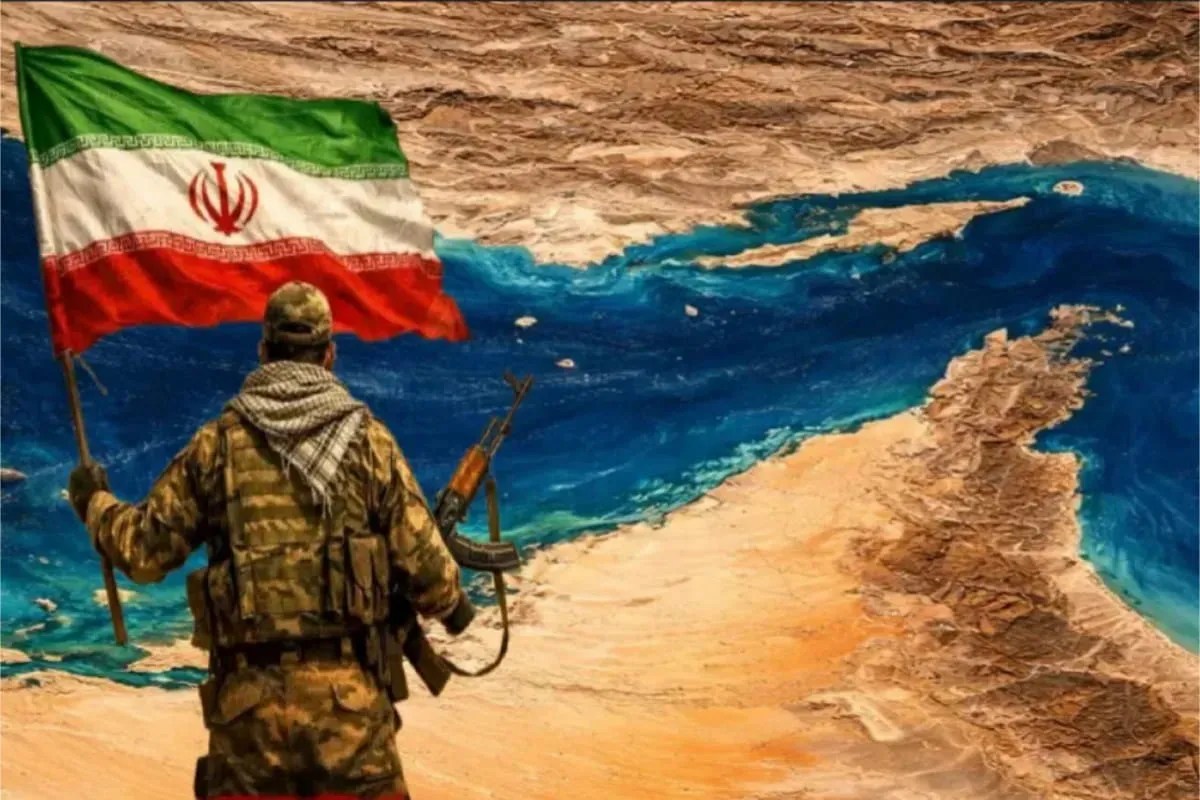
The core issue comes down to conflicting control over one of the world's most critical oil transit chokepoints. Iran maintains strict military control over the area, and they have closed the strait due to ongoing conflicts involving the United States. Yet, American naval authorities keep insisting the route is open, even suggesting alternative tracks for commercial vessels to bypass Iranian restrictions.
Brigadier-General Mohammad Akraminia, a senior spokesperson for the Iranian military, recently issued a blunt warning. He made it crystal clear that the waterway stays shut until Tehran's core seven conditions are met. More importantly, he cautioned cargo ships against following paths touted by the US Navy, calling them fake and dangerous traps.
Why are these alternative routes such a massive hazard? The ground reality involves invisible and destructive obstacles. Iran has heavily seeded these restricted waters with naval mines. Desperate to keep trade moving, several cargo operators try to sneak through by turning off their radars and transponders, hoping to slip past Iranian surveillance undetected.
It almost never works out the way they plan. Hitting a submerged sea mine means instant disaster, triggering catastrophic explosions and fires onboard. Relying on unauthorized navigation advice while ignoring the actual military force holding the coastline is a gamble that commercial shippers keep losing.
Safety in these waters doesn't come from diplomatic assurances thousands of miles away. It requires direct coordination with the Islamic Revolutionary Guard Corps and following the exact corridors they authorize. If you ignore the people actually controlling the shores, you are sailing blind straight into a disaster.
The situation shows no signs of cooling down. Captains running crude oil tankers and container ships have to weigh the financial pressure of delayed cargo against the very real risk of total destruction. Shippers who think they can outsmart local military blockades using clever route workarounds are learning a brutal lesson. In this high-stakes maritime standoff, shortcuts lead straight to the bottom of the sea.