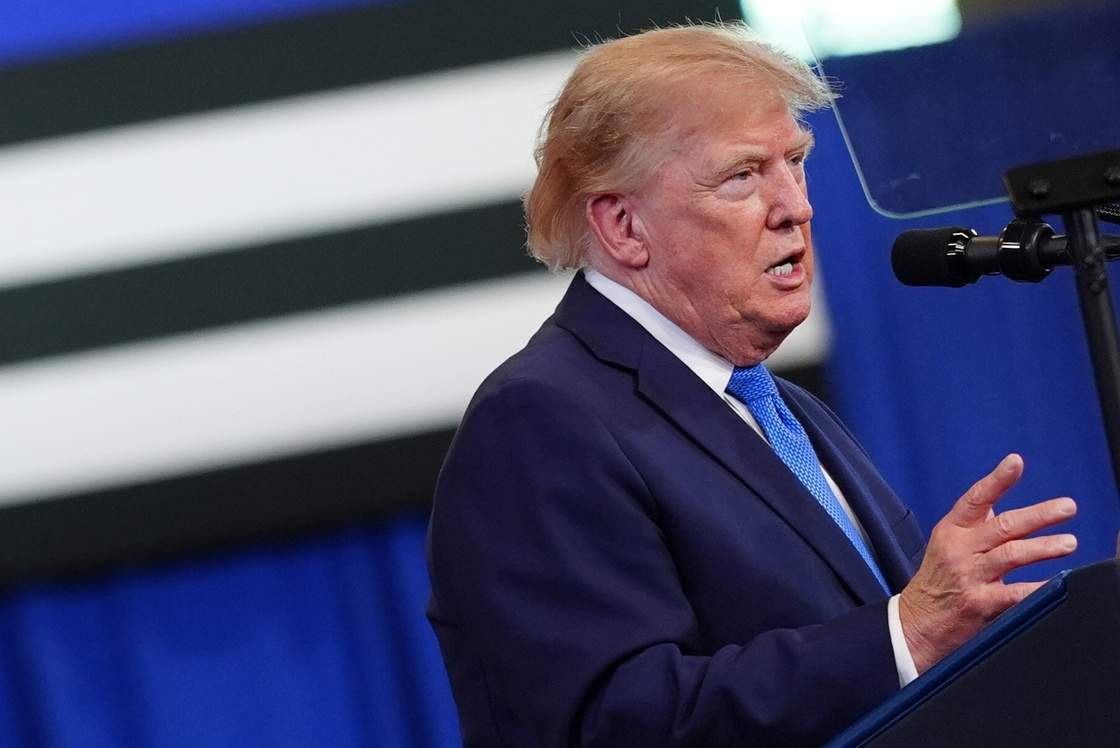
The highest court in the United States just slammed the door on Donald Trump's ongoing legal strategy. The Supreme Court opted against reviewing an appeal tied to a jury's finding that Trump sexually abused and defamed writer E. Jean Carroll. That decision leaves a $5 million judgment firmly in place.
If you've been trying to keep track of this sprawling legal battle, it's easy to get lost in the endless stream of motions, appeals, and rehearings. Let's break down what actually happened, why the justices passed on the case, and what it means for the remaining legal battles.
The End of the Line for the $5 Million Verdict
The core of this specific dispute stems from a 2023 trial. Carroll, a longtime magazine advice columnist, testified that a 1996 encounter inside a luxury Manhattan department store dressing room turned into a violent assault. She also argued that Trump defamed her when he publicly denied the claims and attacked her character.
A jury agreed with Carroll, handing down a $5 million payout covering both the battery and the defamation claims. Trump’s legal team fought back hard, claiming the trial relied on flawed evidentiary rulings. They pointed specifically to decisions that allowed testimony from other accusers to be heard by the jury.
Trump took his arguments all the way to the Supreme Court, asking the justices to step in and toss the verdict. Following standard custom, the high court issued a brief, unexplained order declining to take up the case. There were no noted dissents.
Why Trump Wanted a Rehearing
Even after the court initially passed on the petition, Trump's lawyers pushed for a rehearing. They argued that the justices should reconsider the outcome based on a separate, related case on appeal involving Carroll.
The defense strategy hinged heavily on arguments regarding presidential immunity. Trump’s team claimed that statements he made while serving in the White House during his first term should be shielded from court use. They maintained that introducing those statements as evidence compromised the integrity of the original trial.
The Supreme Court didn't bite. By rejecting the rehearing request without comment, the justices signaled that the legal arguments brought forward weren't enough to warrant overturning the lower decisions. Roberta Kaplan, an attorney representing Carroll, noted in a statement that the ruling effectively closes off avenues for Trump to avoid financial and legal accountability in this specific matter.
What Comes Next in the Legal Saga
While this $5 million chapter is locked in, the broader legal war is far from over.
Trump is facing another massive financial penalty tied to a separate defamation trial involving Carroll, where a different jury awarded an $83.3 million verdict. That separate appeal works its way through the appellate system, keeping the feud active. Trump has publicly expressed frustration over the court's refusal to intervene, making it clear that his defense team plans to keep challenging the remaining defamation claims through every available legal channel.
Accountability in high-profile civil cases rarely happens overnight. This latest refusal from the nation's top bench proves that once a jury speaks and lower courts lock in the findings, reversing those outcomes becomes an uphill battle even for a former and current president.
Supreme Court rejects Trump's bid to overturn E. Jean Carroll verdict
This video provides additional context on the Supreme Court's decision to deny Trump's appeal regarding the E. Jean Carroll verdict.