Free speech in West Africa is hanging by a thread. Mali’s military junta has stepped up its campaign against independent reporting, turning vague cybercrime statutes into political weapons. When journalists and commentators speak out, they face swift imprisonment.
Let's look at what's actually happening on the ground in Bamako and why these legal crackdowns matter for the future of regional media. Building on this idea, you can find more in: Why Your Wallet Feels Lighter Under Trump In 2026.
The Chahana Takiou Verdict And The Cyber Law Loophole
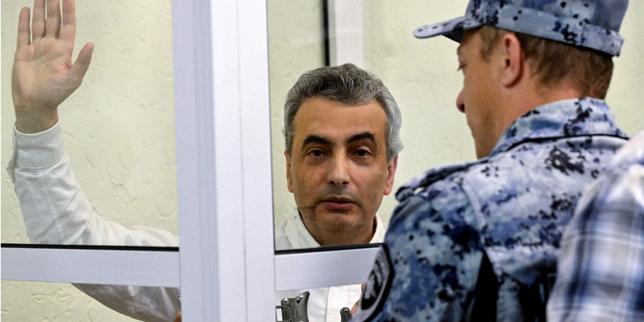
The case of Chahana Takiou, editor of the biweekly newspaper 22 Septembre, highlights the dangerous reality of reporting in Mali today. On August 3, 2026, Bamako's national cybercrime court sentenced Takiou to twelve months in prison, with half of that term suspended.
His crime? He dared to criticize the state's abuse of cybercrime legislation during a panel discussion at the Pan-African Media Forum. Takiou argued logically that media professionals should be tried under proper press laws rather than sweeping cybercrime acts designed for digital predators. Observers at The Guardian have shared their thoughts on this situation.
The regime responded by arresting him under those exact cybercrime provisions, charging him with "undermining the credibility of the state". Legal teams requested provisional release because Takiou suffers from chronic diabetes and cardiovascular conditions, but prosecutors flatly denied the appeal.
A Systematic Blueprint For Censorship
This isn't an isolated incident. It's part of a coordinated pattern.
The military government, which seized power in 2020, relies on a growing playbook to muzzle dissent. Consider the timeline:
- Youssouf Sissoko: The editor-inchief of L'Alternance was handed a two-year prison sentence and heavy fines after publishing an article addressing regional political commentary.
- Abdramane Keïta: The director of Le Témoin was dragged into pretrial detention after discussing security challenges and armed group movements in northern Mali.
Authorities routinely deploy the 2019 Cybercriminal Act to bypass traditional legal protections for media workers. Instead of facing transparent hearings under established press codes, reporters find themselves dragged before specialized cybercrime units for expressing analytical viewpoints.
What Regional Watchdogs Are Missing
International bodies like the International Federation of Journalists (IFJ) and Reporters Without Borders (RSF) have issued sharp condemnations. They point out that weaponizing digital security laws against critics destroys the foundation of public accountability.
Yet, local reporting often struggles against heavy self-censorship. When newsrooms realize that questioning a court ruling or military strategy leads straight to a prison cell, coverage naturally shifts toward safe, state-approved narratives. Analysts who track Sahel politics note that this chilling effect isolates citizens from vital information regarding security, governance, and human rights.
The Broader Impact On Sahelian Politics
Mali isn't operating in a vacuum. Neighboring military-led transitions in the Sahel are watching these legal experiments closely. If using cybercrime courts to jail editors proves effective at stopping public outcry, other regimes will copy the strategy.
You're watching the methodical dismantling of independent democratic checks. Independent commentary gets reframing as treason or state subversion.
If you follow West African affairs, keep an eye on how local press unions push back against these tribunals. The resilience of independent journalists determines whether any objective reporting survives the current political shift. Drop the illusions about legal reform here—the courts are currently acting as an arm of state enforcement.