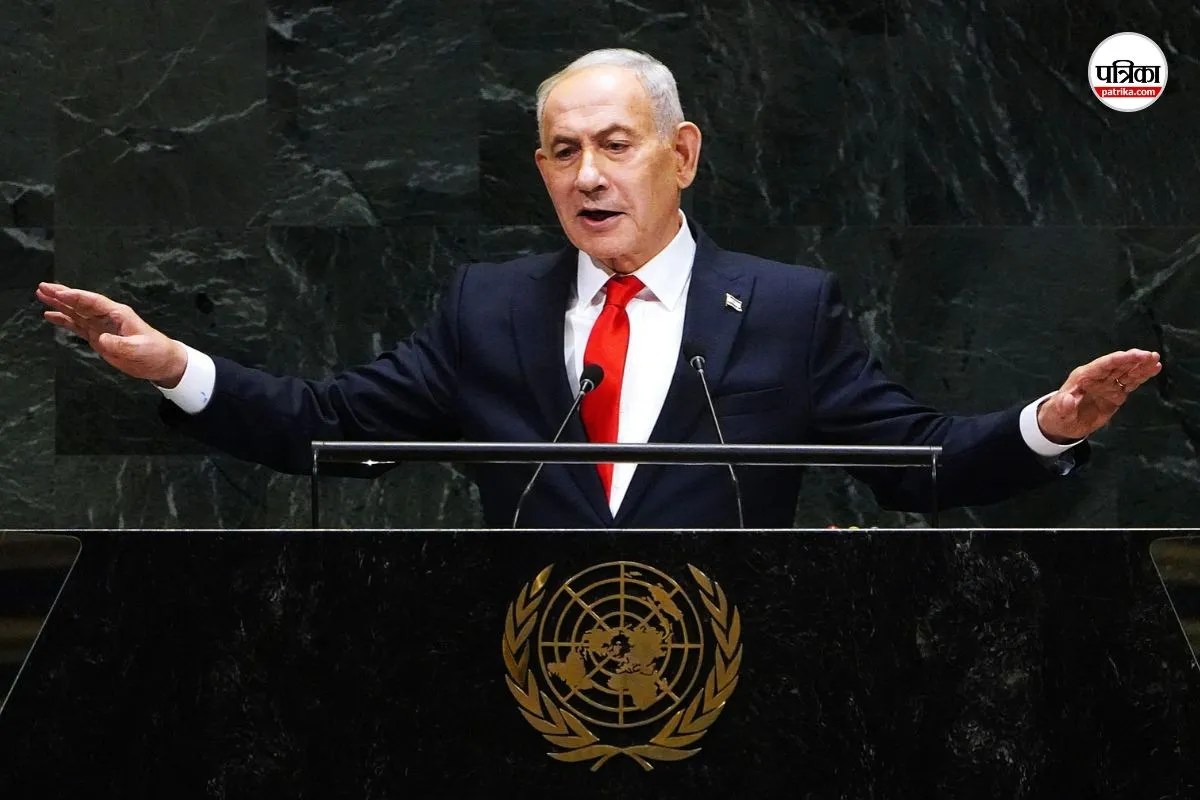
Israeli politics just hit another brick wall, and this time, the exit numbers point to an unprecedented shakeup in the Knesset. As partial results roll in, Prime Minister Benjamin Netanyahu’s right-wing bloc is falling short of the 61 seats required for an outright majority, largely driven by a massive surge in turnout across Arab towns and a stunning 19-seat combined performance by Arab factions.
If you've been following Israeli elections over the last few cycles, you know that stalemates are basically a national sport. But this outcome feels fundamentally different. The Arab voter turnout spike has completely scrambled the math for both Netanyahu and the Zionist opposition led by Gadi Eisenkot.
The Numbers Behind the Deadlock
With a substantial portion of ballots counted, Netanyahu’s camp sits at roughly 54 seats, trailing far behind the magic number of 61. Meanwhile, Eisenkot's opposition bloc hovers around 47 seats. That leaves the remaining seats squarely in the hands of Arab parties like Ra'am and the Joint List, which have jumped up to a combined 19 seats from their previous lower counts.
This dramatic rise isn't an accident. Years of aggressive policies championed by hardline ministers like Itamar Ben-Gvir acted as a massive catalyst. Instead of discouraging voters, the hostile political rhetoric mobilized Arab citizens to head to the polls in droves. They wanted a voice, and now they have the ultimate wildcard position.
Why Netanyahu Is Feeling the Heat
Netanyahu’s political survival has always depended on discipline within his right-wing and ultra-Orthodox base. This time, however, the coalition arithmetic simply doesn't close. Without a majority, and with his traditional path to 61 blocked, his future as prime minister is genuinely imperiled.
True to form, Netanyahu has claimed without evidence that Arab parties somehow gamed the system, attempting to delegitimize the surge of votes against him. But blaming the electorate doesn't fix a broken coalition math problem. If he can't convince defectors from the other side to cross over—an increasingly tall order given the current political hostility—he faces either a prolonged caretaker government or the nightmare scenario of another fresh election.
The Opposition's Impossible Dilemma
On the other side of the aisle, Eisenkot and center-left leaders like Yair Golan face an agonizing choice. Golan has openly urged the opposition to embrace Arab parties, arguing that refusing to work with them is just playing into Netanyahu's hands.
Yet, mainstream Zionist opposition figures have historically shied away from formal partnerships with Arab factions due to deep-seated ideological divides over Zionism and national security. To unseat Netanyahu, the opposition has to break decades of political taboos and build an alliance that many of their traditional voters find uncomfortable. If they refuse to cross that bridge, they risk forcing the country into yet another gridlocked election cycle.
What Happens Next in Jerusalem
The final outcome won't be cemented until every last double-envelope ballot—including those cast by active-duty soldiers—is fully tallied. Once the Central Elections Committee certifies the final count, President Isaac Herzog will step in to task one of the party leaders with forming a government.
That leader will have a strict six-week window to cut deals, poach backbenchers, and forge an unlikely coalition. Whether that results in a messy unity government, an unstable minority administration, or a swift return to the ballot box depends entirely on how quickly Israeli politicians decide to adapt to a changing demographic and political reality.
The era of ignoring Arab political power in the Knesset is officially over. Whoever ignores that truth is bound to fail.