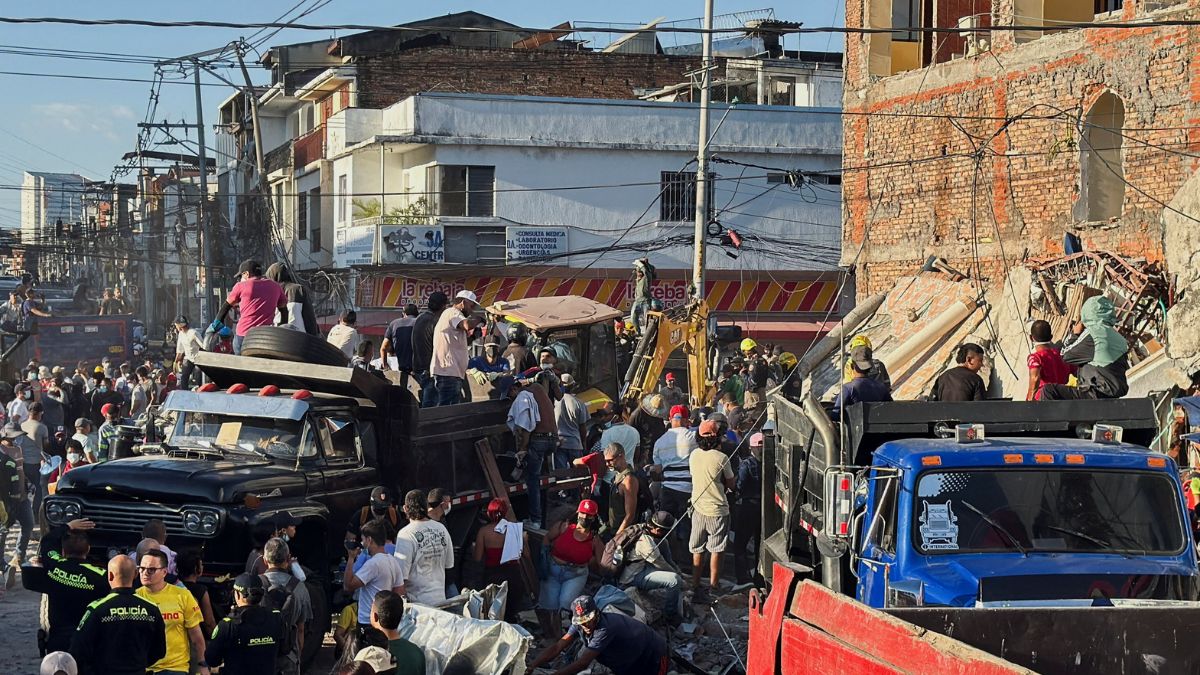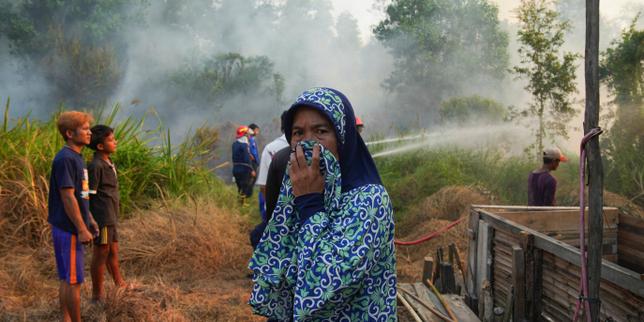
When a 7.4 magnitude earthquake struck western Colombia, it didn't just rattle walls; it upended lives in seconds. Raw video clips circulating online show families scrambling for safety, senior couples fleeing homes as structural cracks split open ceilings, and entire city blocks choking on dust. If you've watched these clips, you've seen the sheer panic. But you haven't seen the chaotic reality of what happens after the cameras stop rolling.
Recorded by the Colombian Geological Service (SGC) with an epicenter near San José del Palmar in Chocó, this disaster stands as the strongest tremor to hit the country in a decade. It shook neighboring countries like Venezuela, Ecuador, and Panama, while leaving cities like Pereira, Manizales, and Cali dealing with collapsed structures and severe infrastructure damage. Behind every viral video of a frantic escape lies a grueling struggle for survival, immediate displacement, and a massive test of emergency response systems.
The Reality Behind the Viral Escape Videos
We watch these short video snippets on our phones and distance ourselves from the terror. A resident yells, "Let's get out, my love!" while filming massive fractures spreading across domestic walls. That split-second decision to abandon a home separates survival from tragedy.
Earthquake safety manuals love to talk about drop, cover, and hold on. Yet, when drywall shatters and concrete pillars groan under a 7.4 magnitude force, theory goes out the window. People run. They dive into bathrooms. They pull loved ones into doorframes.
In moments like these, panic is automatic, but preparation dictates the outcome. Homes built decades ago across western Colombia lacked the modern seismic retrofitting necessary to withstand a quake originating at a depth of roughly 96 to 103 kilometers. When the ground rolls, older masonry buckles instantly.
Immediate Aftermath and Official Response
The human cost climbed rapidly following the initial tremors. Early tallies and regional reports confirmed a devastating loss of life, with dozens to over a hundred casualties reported as rescue teams waded into mounds of rubble. Thousands remained unaccounted for, leaving families desperately searching through collapsed concrete by hand.
Local leadership faced an immediate baptism by fire. Pereira Mayor Mauricio Salazar labeled the urban crisis critical as emergency shelters filled with residents displaced from ruined homes. Federal authorities mobilized quickly, establishing a Unified Command Post to direct heavy machinery and medical personnel to the worst-hit zones.
Flights stayed suspended across regional airports to allow emergency aircraft clearance, completely isolating parts of the affected zone. This logistical nightmare highlights a harsh truth about major natural disasters. Infrastructure breaks down right when you need it most.
What You Should Learn From the Colombian Disaster
You might live thousands of miles away from an active fault line, or you might live right on top of one. Earthquakes don't send calendar invites.
Stop treating emergency plans as office paperwork. If an earthquake hits your area tomorrow, your survival depends on three concrete actions.
- Secure heavy furniture to wall studs right now. Falling bookcases cause more injuries during moderate tremors than structural collapses.
- Identify the safest micro-spaces in every room of your house before the ground starts moving.
- Keep a basic grab-bag near your primary exit containing water, essential medications, copies of identification, and a flashlight.
When the floor beneath your feet turns liquid and your walls begin to split, you won't have time to think. You will only have time to react. Build your reflexes now so you don't become another statistic on a morning news broadcast.