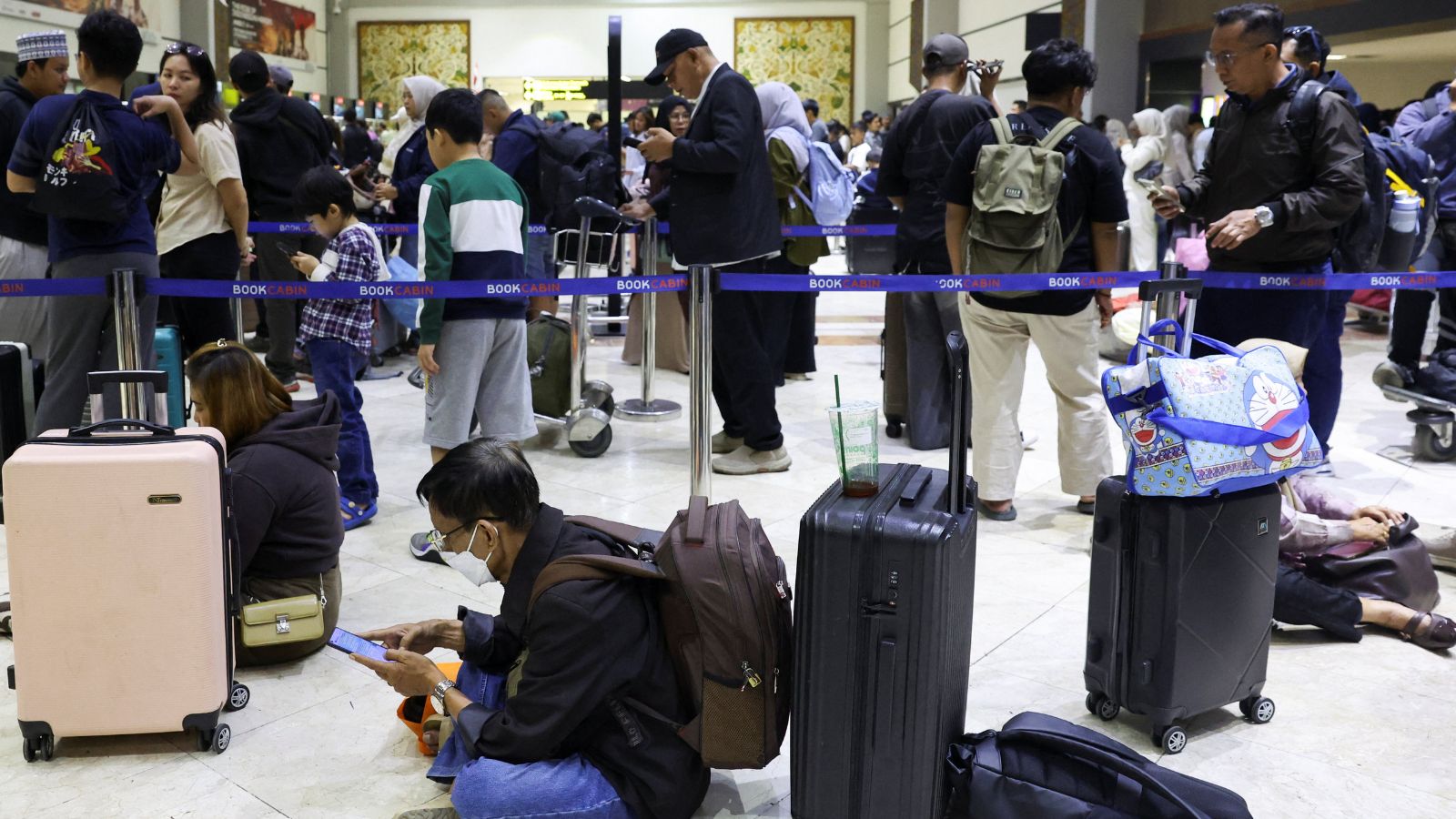
Mount Anak Krakatau doesn't care about your holiday plans. When it erupted violently in the Sunda Strait, sending thick columns of abrasive ash thousands of meters into the atmosphere, it instantly paralyzed air travel across western Indonesia and stranded hundreds of thousands of passengers. Jakarta's bustling Soekarno-Hatta International Airport alongside seven other regional hubs ground to an abrupt halt.
If you've ever been trapped at a departure gate while arrival boards flash endless red cancellations, you know the sinking feeling. Let's look at what actually happens on the ground when nature shuts down the airspace, and how you can handle it without losing your mind or your money. Read more on a connected subject: this related article.
Why Volcanic Ash Grounds Planes Fast
Volcanic ash isn't like normal clouds. It's basically millions of tiny, razor-sharp glass and rock fragments. When jet engines ingest this material, the extreme heat melts the rock inside the turbine. It then solidifies on the cooler turbine blades, choking airflow and causing catastrophic engine failure.
Aviation authorities don't guess with safety. The moment ash plumes drift into active flight paths, closure orders drop immediately. During the recent Anak Krakatau crisis, the operational fallout was staggering. Official tallies from Indonesia's transport ministry confirmed that close to 3,000 flights were delayed, diverted, or outright cancelled. More than 340,000 travelers found themselves stuck in terminals or searching frantically for fully booked nearby hotels. More analysis by National Geographic Travel highlights similar perspectives on the subject.
Managing the Chaos at the Terminal
When terminals fill past capacity, airport staff are overwhelmed. Waiting quietly in a snaking customer service line is usually a recipe for spending the night on a hard plastic chair.
Here is what works when your flight goes down:
- Ditch the physical queue immediately. While airport personnel deal with the frontline crowds, pick up your phone and call your airline's international hotline or use their app to secure rebooking options.
- Look for alternative hubs. Indonesian authorities designated alternative airports like Kertajati in West Java and Juanda in Surabaya to keep national transit breathing. If you can secure ground transport away from the heavily impacted zone, you stand a much better chance of catching an outbound flight.
- Know your rights on refunds. The Indonesian government urged carriers to speed up ticket refunds and accommodate foreign travelers facing overstay issues due to sudden groundings. Keep every receipt and document every communication with gate agents.
Dealing with the Local Impact
For locals and residents in Banten and surrounding areas, the eruption meant far more than missed holidays. Heavy ash blankets forced schools to close temporarily, and authorities advised residents to wear masks and protective eyewear to guard against severe respiratory and eye irritation. Fishermen pulled their boats ashore as visibility plummeted.
If you plan to travel through the Pacific Ring of Fire region, flexibility is your greatest asset. Volcanoes like Anak Krakatau—born from the infamous 1883 Krakatoa cataclysm—will continue to erupt with little warning. Check local geological updates, build extra buffer days into your itinerary, and never assume your flight is safe just because the weather outside your hotel window looks clear.
Keep your travel insurance policy handy, download airline apps before you fly, and remember that safety protocols exist for a very good reason.
Indonesia's Airport Buckles Under Volcanic Ash
This video provides an on-the-ground look at the terminal congestion and flight disruptions caused by the volcanic ash crisis.
http://googleusercontent.com/youtube_content/1