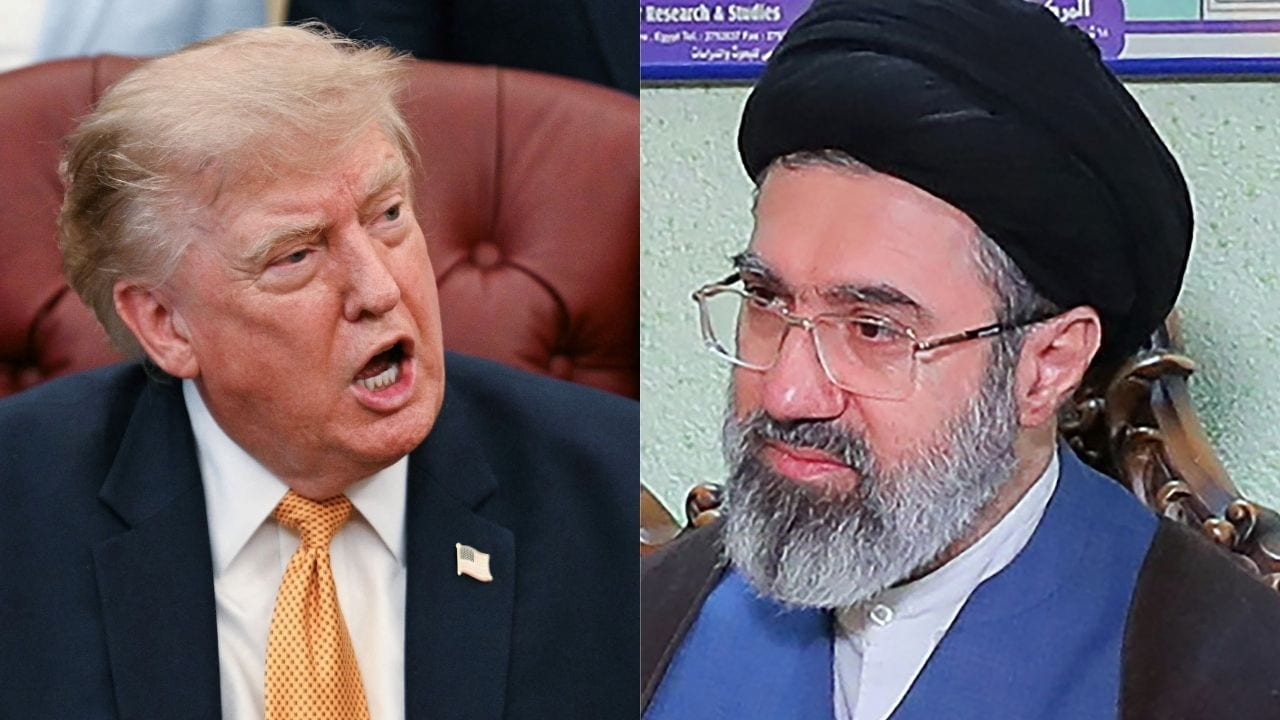
Geopolitical standoffs rarely end with quiet handshakes. They usually grind forward through threats, maritime chokepoints, and backchannel messages pushed across neutral desks. Right now, Washington and Tehran are locked in that exact high-stakes dance. President Donald Trump has floated stark warnings about flattening what remains of Iran's infrastructure, claiming that rebuilding would take decades. Meanwhile, Iranian leadership hasn't just hunkered down—they've fired back with a concrete, albeit rigid, diplomatic counter-punch.
Tehran has routed a new nuclear proposal through Qatari mediators, laying out a non-negotiable list of seven demands. If you're wondering why diplomacy feels stuck in quicksand, look no further than these prerequisites. Iranian officials, including top security figures like Mohsen Rezaei, have made it clear that commercial and diplomatic normalization won't budge an inch until Washington checks every single box on their list.
Breaking Down the Seven Conditions
The proposal isn't just about uranium enrichment limits or centrifuge counts. Tehran is demanding broad systemic relief before anyone sits down at a formal negotiation table.
First on the agenda is a complete end to active hostilities and a total rollback of the naval blockade choking Iranian ports. For a country heavily dependent on maritime trade, the blockade has been an economic tourniquet.
Next comes the financial anchor: the immediate release of frozen Iranian assets scattered across international accounts. Alongside these asset releases, Tehran wants comprehensive compensation for war damages incurred during the ongoing military friction.
The conditions also target the footprint of the United States military in the region, demanding a significant reduction of troops and naval assets. They want guaranteed non-interference, halting any future attacks on sovereign Iranian territory. Finally, the terms reportedly bleed into broader regional flashpoints, touching upon complex security architectures in places like Lebanon.
The Chokepoint Dilemma in the Strait of Hormuz
You can't talk about this standoff without looking at the map. The Strait of Hormuz remains a knife-edge economic corridor. Tehran has explicitly tied the reopening of this vital shipping lane to the fulfillment of its seven demands.
Senior officials have stated bluntly that commercial vessels using unauthorized routes face immediate danger, and traffic through the strait is heavily disrupted. Tankers catching fire after striking naval mines aren't accidents of nature; they're symptoms of a deliberate maritime squeeze. Until Washington and its allies offer concessions, cargo movement through this crucial global artery stays hostage to the political weather.
Washington's Calculus and the Threat of Escalation
The White House is currently reviewing the Qatari-delivered proposal, but Trump's public posture remains aggressively volatile. In recent statements from the Oval Office, he suggested that while he'd rather avoid total destruction, he isn't afraid to pull the trigger on further military operations if negotiations stall or if enrichment activities cross invisible red lines.
At the same time, administration insiders note that Washington wants nuclear limits embedded directly into the foundational framework of any talks, rather than treated as a late-stage prize. This creates an immediate collision course. Washington wants nuclear compliance upfront; Tehran wants sanctions relief, cash, and military disengagement first.
Mediators in Doha are working overtime to bridge this chasm, especially with domestic political calendars in the US shifting focus toward the midterm elections. Both sides know that a renewed military campaign could detonate regional stability overnight, yet neither is willing to blink first.
The ball is technically in Washington's court, sitting quietly on a desk in Washington via Doha. But given the weight of those seven conditions, expecting a quick breakthrough is pure fantasy. Expect more posturing, more tanker trouble in the Gulf, and a lot more tense diplomacy before anyone actually sits down to talk.
Iran outlines seven conditions for deal
This short video provides a quick visual summary of the core demands Tehran has placed on the table regarding the ongoing crisis.