Commercial aviation security works right up until it doesn't, or at least until a silent message turns a routine Sunday flight into a high-stakes interception over Eastern Europe. When an Austrian Airlines flight heading from Tel Aviv to Vienna suddenly found itself flanked by military jets, passengers on board experienced a terrifying reminder of how vulnerable modern air travel remains to anonymous threats.
Let's look at what actually happened, why airspace security is so jittery right now, and what these repeated incidents mean for travelers flying out of the region.
The Sofia Interception and the Reality of Mid-Air Scares
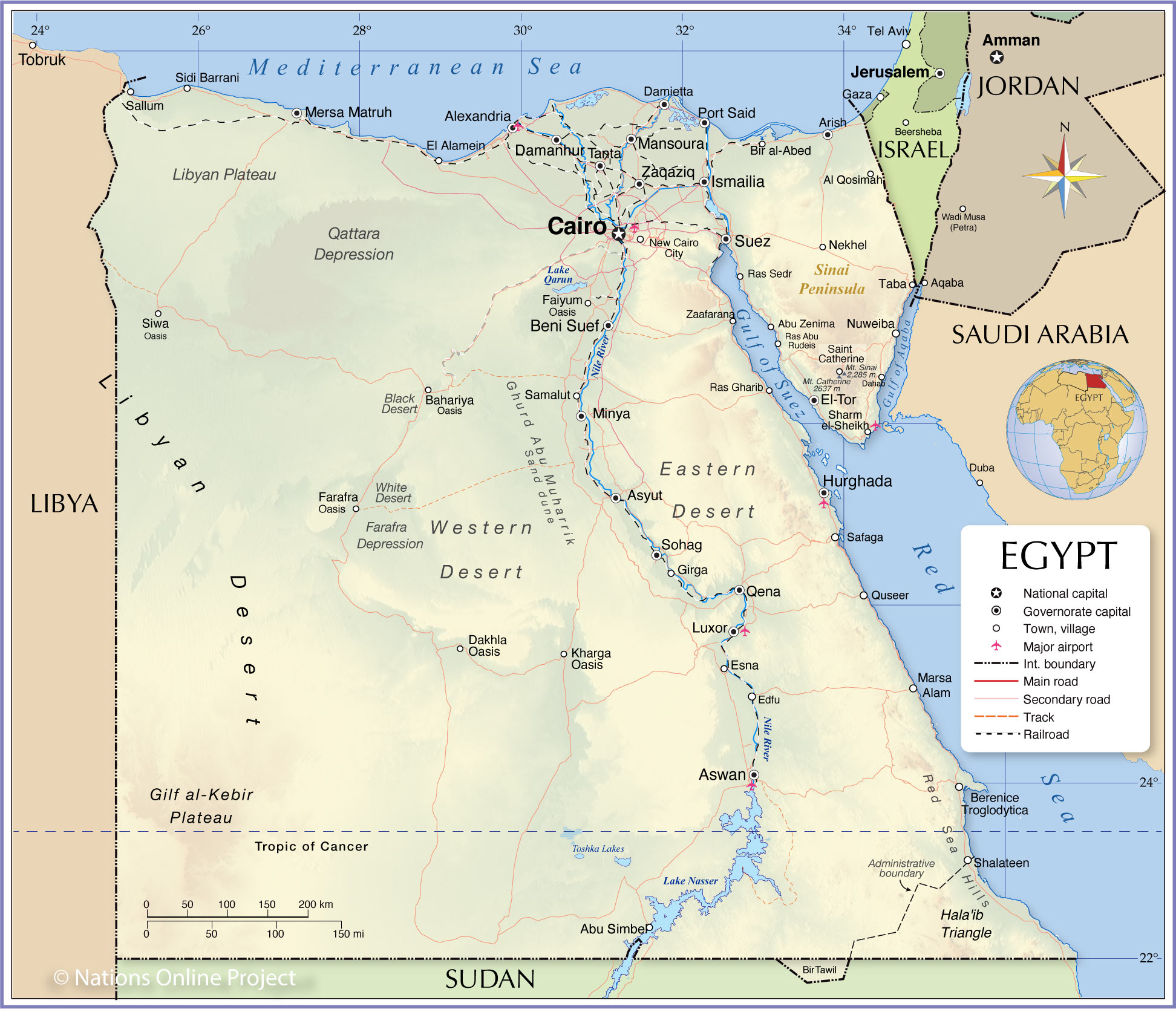
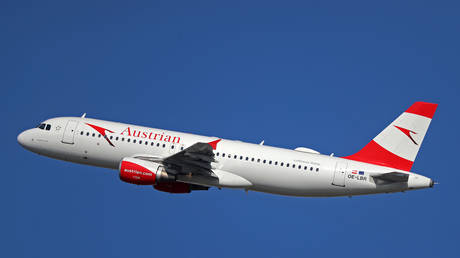
Austrian Airlines flight OS82 was carrying 51 passengers and six crew members when the cockpit crew received a bomb threat. The aircraft, an Airbus A320, was cruising near the Romanian border at the time. Instead of continuing toward Vienna, standard security protocols kicked in immediately.
Bulgaria did not take any chances. The country's air defense scrambled MiG-29 fighter jets to escort the commercial plane down to Vasil Levski Sofia Airport.
When you hear about fighter jets flanking a passenger plane, your mind immediately goes to the worst-case scenario. Thankfully, all 57 people on board disembarked safely, and local law enforcement subjected the aircraft to a thorough security sweep. But think about the psychological toll on those passengers. You book a standard European connection out of Ben Gurion Airport, and a few hours later you're sitting on a tarmac in Sofia while bomb squads inspect the cargo hold.
A Disturbing Pattern of Aviation Threats
This wasn't an isolated anomaly. Aviation authorities across Europe and the Middle East are dealing with an alarming spike in security scares targeting flights connected to Israel.
Just days prior, Delta Air Lines flights running routes between New York and Tel Aviv triggered twin bomb threats. One plane was evacuated immediately after touching down at Ben Gurion Airport, while another was held at JFK before it could even leave the gate. Both turned out to be false alarms after extensive checks, but the disruption costs airlines millions and rattles passenger confidence.
The tension extends far beyond anonymous phone calls or digital threats. Late last month, a Flydubai flight carrying predominantly Israeli passengers from Dubai to Tel Aviv faced a genuine violent crisis when a co-pilot attempted to attack the captain with an emergency axe. The goal, according to Emirati prosecutors, was to crash the aircraft into the passenger terminal at Ben Gurion Airport. Crew members and passengers managed to overpower the attacker, forcing an emergency landing in Saudi Arabia.
That near-disaster forced Prime Minister Benjamin Netanyahu’s government to order aggressive security overhauls, including much tighter background and security checks on foreign airline crews operating in the region.
What This Means for Your Travel Plans
If you're flying in or out of Tel Aviv anytime soon, expect delays, heightened security screenings, and shorter tempers at security checkpoints. Airlines are operating under a microscope, and air traffic controllers are treating every vague threat with absolute severity.
False alarms carry real economic and logistical consequences. Passengers get stranded, connecting flights get missed, and airline operations face massive bottlenecks. Yet, protocol dictates that security teams must treat every single threat as 100% credible until proven otherwise.
Double-check your flight status before heading to the airport. Give yourself an extra hour at the terminal to clear enhanced security lanes, and keep your patience intact. Aviation security is an exercise in paranoia by design, and right now, that paranoia is working overtime.