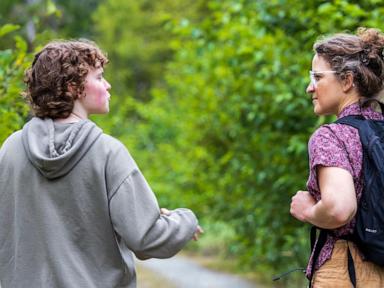
A routine weekend trail walk turned into an absolute nightmare near Bella Coola, British Columbia. Jennifer Balcarras, 48, and her 20-year-old daughter, Selah Reed, set out on the Snooka West Trail. They knew the route well. It wasn't deep in some uncharted wilderness, but rather just a short distance from their home. When they failed to return home, a multi-day search was launched.
What search teams eventually uncovered shook the local Nuxalk Nation and wildlife officials alike. British Columbia Conservation Officer Service investigators confirmed that the mother and daughter were victims of a suspected grizzly bear attack. Compounding the horror, authorities noted that multiple grizzly bears might have been involved in the fatal incident.
Inside the Search Operation
Finding the victims was no simple task. The terrain near the trail complicated rescue and recovery efforts, forcing search teams, local police, and wildlife officers to deploy extensive resources—including a cadaver dog.
Family members shared heartbreaking details of the recovery. Searchers located Jennifer Balcarras first, and her daughter Selah was found a day later. According to family statements, one of the victims had been placed in a bear cache—a spot where a bear stashes food by burying it under dirt, branches, and vegetation to keep scavengers away. Because of the nature of the attack and the caching behavior, visual identification was nearly impossible on-site, requiring DNA and dental records to officially confirm what everyone already feared.
The Conservation Officer Service, led by Inspector Jeff Tyre, immediately set traps in the area. Under provincial protocols, any bear confirmed to be involved in a fatal attack is euthanized to ensure public safety. Officials also instituted local curfews and safety advisories for residents living near the affected forest zones.
Living Alongside Apex Predators
Incidents like this force an uncomfortable conversation about human expansion and wildlife management in western Canada. British Columbia holds the highest concentration of grizzly bears in the country. While tourists often picture grizzlies deep in national parks, locals know these animals regularly cross paths with human infrastructure, rural properties, and local walking trails.
People frequently underestimate how quickly a casual walk can turn dangerous. Bears don't need to be provoked to attack. Seasonal food stress, surprise encounters on blind trail corners, or stumbling across a hidden food source can trigger a defensive or predatory response instantly.
The Nuxalk Nation community and grieving relatives are left picking up the pieces. Balcarras had recently moved to Bella Coola to start a fresh chapter and pursue a new career, leaving behind a tight-knit family now grappling with an unimaginable loss.
Staying Safe in Bear Territory
If you spend time hiking or walking in rural British Columbia, Alberta, Yukon, or the Northwest Territories, safety protocols aren't optional. You need to treat every trail as active bear habitat.
Carrying bear spray is baseline insurance, but carrying it at the bottom of a backpack renders it entirely useless. It needs to be strapped directly to your chest or hip holster for an instant draw. Making noise by talking loudly—rather than relying on small bells that bears easily ignore—alerts wildlife to your presence before you step right into their personal space.
Pay attention to seasonal changes, too. Late-season foraging brings bears closer to lower elevations and valley trails as they search desperately for calories ahead of winter denning.
Respect the wildlife. Stay vigilant. When you step into their territory, you play by their rules.