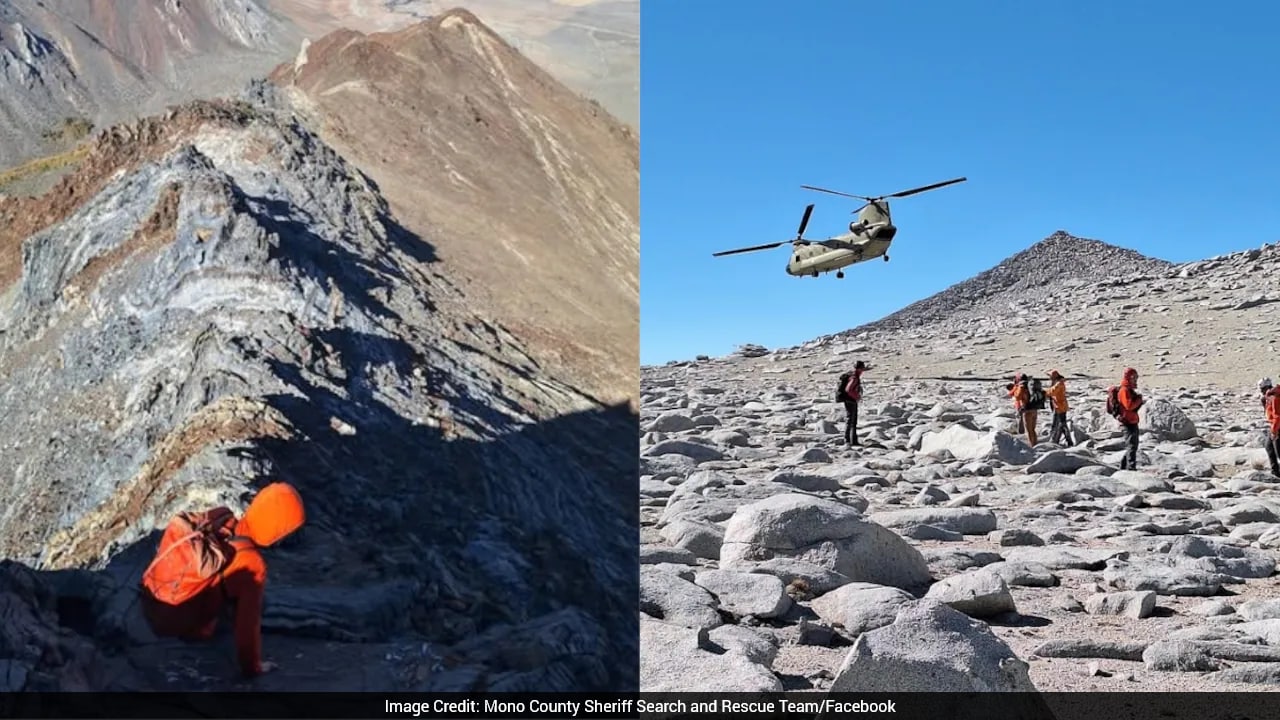
Mount Morgan stands tall in California at over 13,000 feet. It looks majestic from a distance. Up close, it demands absolute respect.
On a Sunday evening in October, 53-year-old Brian Seibert sent a text message around 7:00 pm. He told others he was on his way down after successfully summiting the peak. That simple text became his final communication. When he failed to return by late evening, a massive multi-agency search kicked off in the rugged backcountry.
Tragedies like this happen more often than weekend warriors care to admit. Mountain climbing isn't just about reaching the top. The descent is where things usually go sideways.
The Dangerous Illusion of the Descent
Most people think summiting is the hardest part of mountaineering. Physics disagrees. Gravity pulls you down, tired muscles fail, and concentration wanes just as technical terrain requires maximum focus.
Seibert's journey ended near the base of the Grand Central Couloir, a steep gully on the mountain's eastern side. When fatigue sets in after hours of strenuous hiking, tiny mistakes compound quickly. A miscalculated step on loose scree or an icy ledge can turn a routine hike into an emergency.
Mono County Search and Rescue teams faced an uphill battle locating him. They relied on photo topographic matching, mobile phone forensics, and K-9 units to piece together his movements. When an aerial crew spotted an anomaly near the couloir the following Tuesday, the harsh terrain prevented an immediate ground recovery. Yosemite National Park's helicopter team had to step in the next morning for a specialized short-haul operation.
Why Solo Hiking and Timing Leave No Margin for Error
If you hike alone, you carry the entire burden of risk. There is nobody to check your navigation, spot your footing, or manage an emergency if you get hurt.
Timing is another trap. Darkness falls fast in high-altitude environments. When Seibert missed his expected return time of 11:30 pm, hours had already passed in freezing or dropping temperatures. Slipping on steep cliff ledges after sunset strips away visibility, making self-rescue nearly impossible.
If you head into high-alpine zones like Mount Morgan, preparation dictates survival:
- Share a detailed itinerary with someone off the mountain, including exact turn-around times.
- Pack emergency bivy gear, headlamps with extra batteries, and communication tools like a satellite messenger.
- Recognize when fatigue impairs your judgment. Slow down, eat high-energy snacks, and drink water.
Mountains don't care about your summit goals. Respect the descent, know your limits, and treat every trail like it demands your full attention.