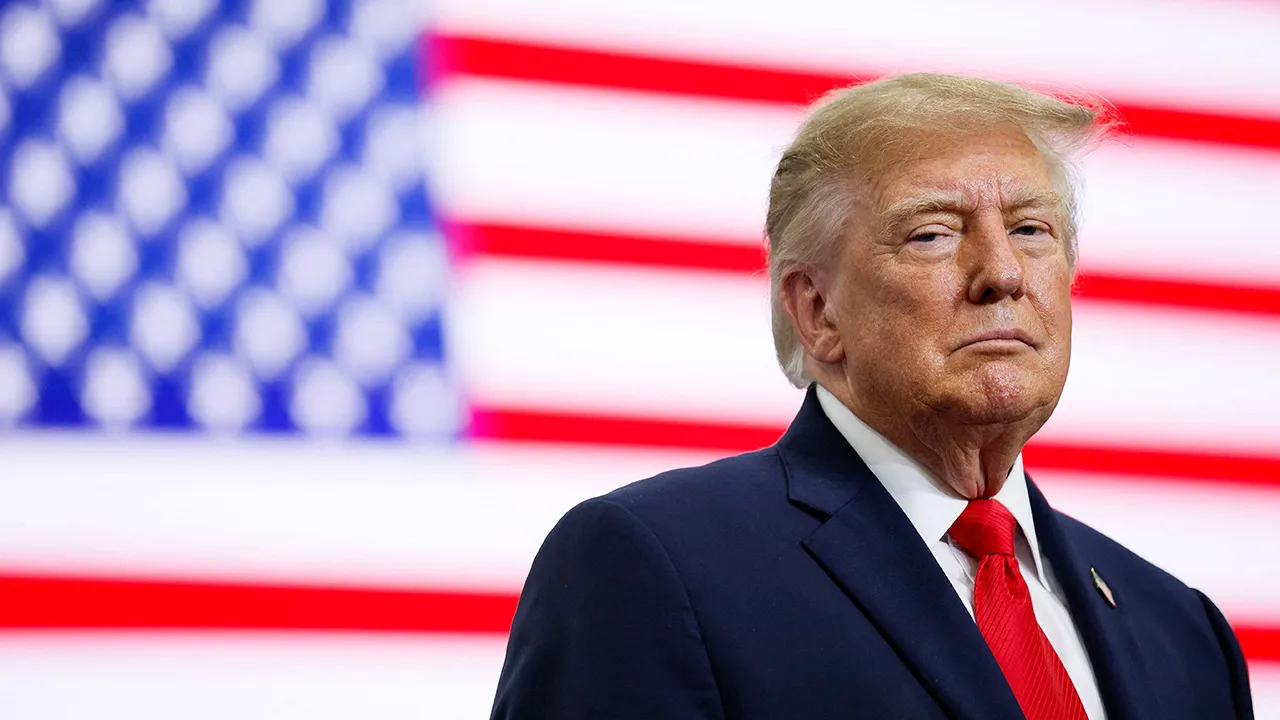
Voters are heading to the polls with deep frustration, and the numbers don't lie. President Donald Trump's job approval rating sits at a dismal 32 percent according to the latest Reuters/Ipsos data, hovering dangerously close to his all-time career low just as the United States faces high-stakes midterm elections.
If you've been wondering why the political winds feel so hostile for the incumbent administration right now, look no further than ordinary pocketbook issues and foreign policy strains. Let's break down what these cratering numbers actually mean for the balance of power in Washington.
The Cost of Living Crisis is Driving Voter Anger
Numbers rarely tell the whole story, but they frame the current mood quite brutally. Gasoline prices have hovered at painful levels—reaching around $6.29 per gallon for diesel in various areas—leaving consumers furious over persistent inflation.
When people go to fill up their tanks or buy groceries, political loyalty tends to take a back seat to sheer financial survival. A recent Washington Post/ABC/Ipsos survey revealed that roughly seven out of ten voters feel gas and living costs are completely unaffordable. That's not a partisan talking point; it's a bipartisan pain point.
Trump himself seemed to concede the grim reality of midterm political gravity while wrapping up his campaign trail speeches. He pointed out that sitting presidents historically take a beating during midterms. Yet, blaming historical precedent ignores the unique compounding pressures of ongoing economic fallout and international conflicts.
Foreign Policy Flashpoints and the Iran Factor
Domestic economic strain hasn't been the only anchor dragging down public support. The fallout from the military friction involving Iran and disruptions around energy routes like the Hormuz Strait has heavily weighed on consumer confidence.
Voters are connecting foreign entanglements directly to the price stability of everyday goods. When global energy supplies squeeze domestic markets, public patience wears thin remarkably fast. Trump's core base—which registered an 82 percent approval rating in past polling cycles—has seen slippage, with Republican backing dipping down into the low 70s in recent tracking. While a 73 percent approval among your own party sounds solid on paper, it represents a notable erosion of absolute solidarity when every single vote counts.
What the Generic Ballot Tells Us About Congressional Races
Individual presidential approval is only half the battle. The broader congressional landscape looks equally grim for the GOP. Generic ballot polling—which asks voters whether they prefer an unnamed Democrat or Republican for Congress—shows Democrats enjoying a distinct advantage, leading by roughly 12 points in key national metrics.
This massive enthusiasm gap explains why millions of dollars are flooding swing districts in a frantic eleventh-hour scramble. Trump and Vice President JD Vance spent their final campaign hours rallying alongside vulnerable candidates, attempting to energize a base that feels distinctly less motivated than their opposition.
History shows that midterm elections are fundamentally referendum votes. When an administration sits underwater with a 32 percent approval rating and the opposition holds a double-digit generic ballot lead, the structural map favors a sweeping legislative correction. Watch the suburban districts closely as the results roll in; that's where this election will be won or lost.
US MIDTERMS : Trump Hits -35 Net Approval
This video provides an in-depth breakdown of the polling shifts and net approval drops impacting Donald Trump and the Republican Party ahead of the midterm elections.