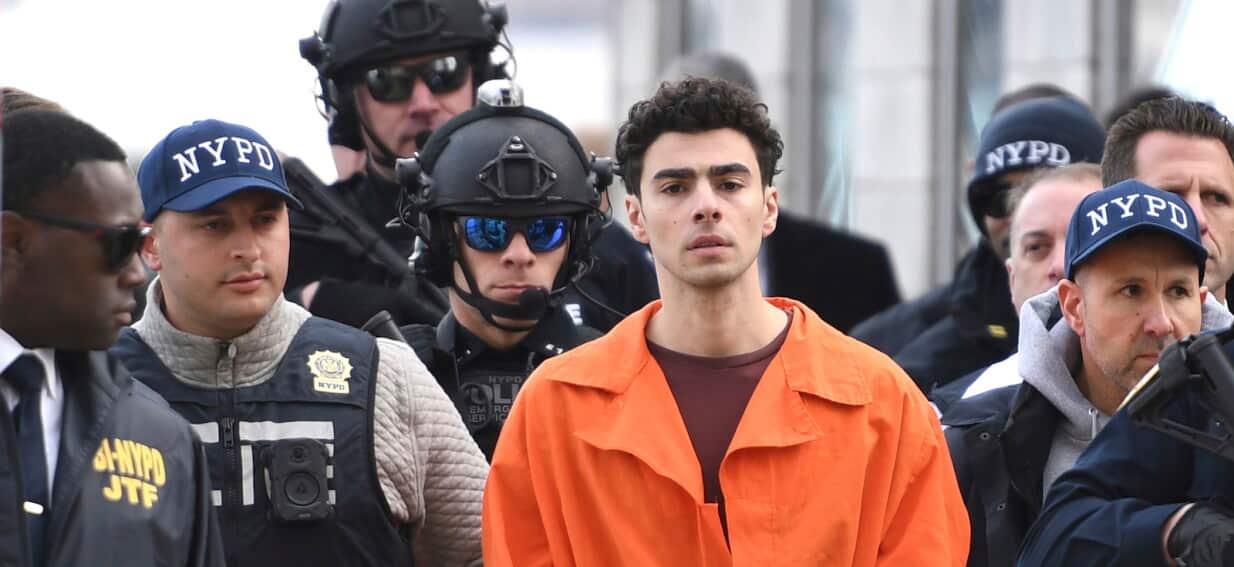
When the White House decides to dust off a law written during the John Adams administration to handle modern immigration disputes, everyone should expect fireworks. That is exactly what happened when the administration invoked the Alien Enemies Act to fast-track the expulsion of Venezuelan migrants allegedly tied to the Tren de Aragua gang.
The legal system is grinding through the fallout, and the higher courts are refusing to offer a clean exit ramp. Lower benches, circuit panels, and the Supreme Court keep passing the hot potato back and forth. If you are trying to figure out what is actually legal right now, you are not alone. The rules are changing by the week. Don't miss our earlier article on this related article.
The Core Conflict Behind the Alien Enemies Act
The statute in question dates all the way back to 1798. It was designed for declared wars or actual foreign invasions, giving the executive branch sweeping powers to detain and deport citizens of a hostile nation. But using a wartime statute during peacetime conditions to target transnational gang members creates a massive constitutional collision.
The administration argues that Tren de Aragua operates as an extension of the Venezuelan state, turning regular cartel activity into an "invasion or predatory incursion." Civil rights attorneys and various federal judges see it differently. They point out that mass illegal migration or gang activity simply does not match what the founding fathers meant by an armed foreign military marching across the border. To read more about the background here, Al Jazeera offers an excellent breakdown.
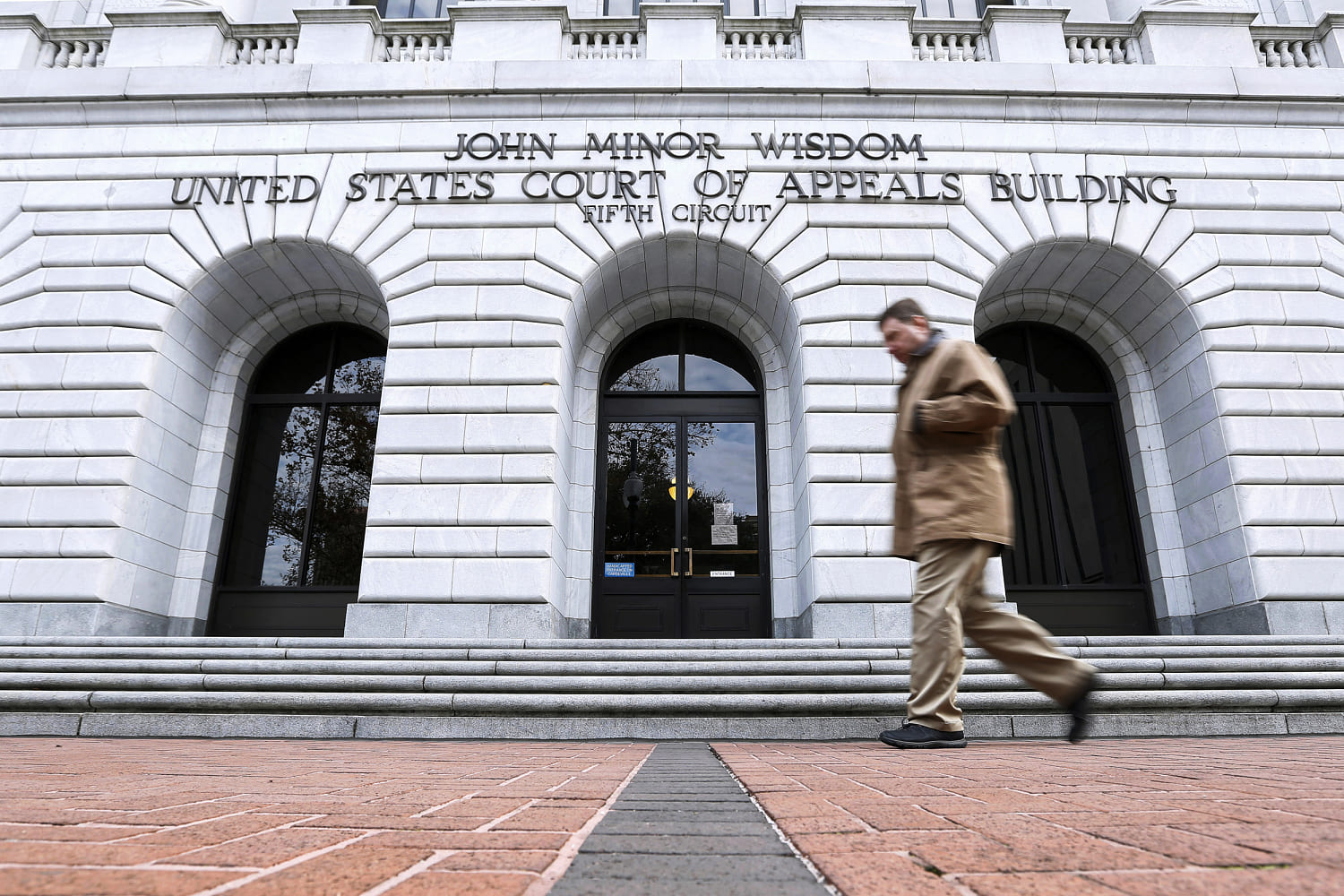
When the U.S. Court of Appeals for the Fifth Circuit weighed in, a panel struck down the administration's use of the act. They ruled that the situation fails to meet the statutory definition of an invasion. Yet, the legal battle lines are deeply fractured, with intense dissents and ongoing appeals pushing the entire fight toward an inevitable showdown at the Supreme Court.
What Happens to Due Process When Wartime Powers Meet Civilian Law
One major piece of this puzzle gets lost in the political shouting match: due process. Under standard immigration law, people facing removal get at least some window to state their case before an immigration judge. The Alien Enemies Act bypasses much of that normal administrative machinery.
Earlier rounds of this litigation forced the Supreme Court to rule that detainees still retain baseline rights to challenge their designation through habeas corpus petitions. That meant the government could not just whisk people away to offshore maximum-security facilities without giving them a realistic chance to prove identity errors. Investigative reports showed that numerous individuals caught up in the initial sweeps lacked criminal histories entirely, highlighting the danger of using summary wartime mechanisms on civilian populations.
The courts are wrestling with a terrifying precedent. If a president can unilaterally declare gang violence an "invasion," the checks and balances built into immigration enforcement effectively vanish.
Where the Case Goes From Here
The legal machinery has not stopped moving. While a conservative appeals court panel blocked the enforcement within its regional footprint, the administration continues to push for broader execution, and requests for en banc reviews or direct Supreme Court petitions are standard procedure.
If you are tracking immigration policy or constitutional law, keep your eyes on how the higher courts define executive overreach during non-traditional conflicts. This dispute is rewriting the boundaries of presidential emergency powers in real time. The final word rests entirely with the Supreme Court, and until those justices take up the merits of the statute itself, the chaos in the lower courts will continue.